Vietnam
Debate Over Separating EVN's National Power Transmission Company: Divergent Views Emerge
Vietnam's Ministry of Finance and Ministry of Industry and Trade present conflicting proposals regarding the future of the National Power Transmission Company amid calls for a competitive electricity market.
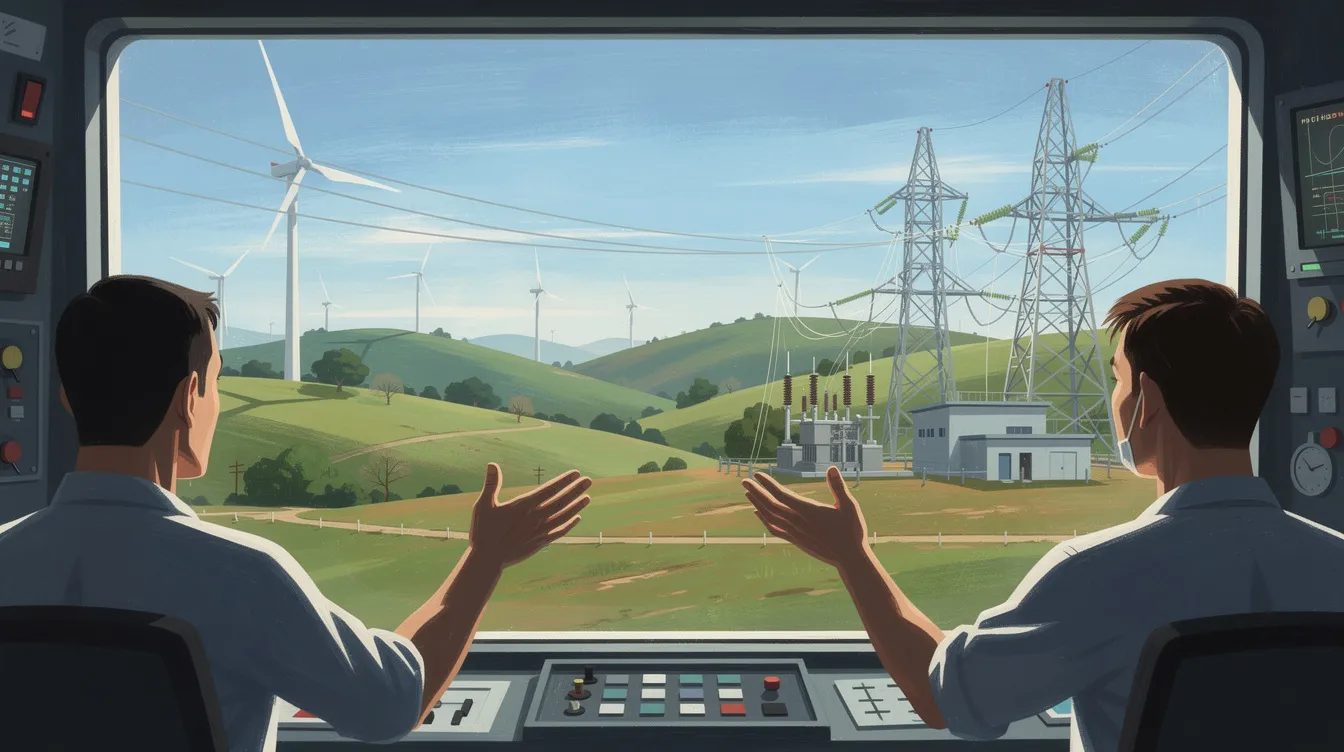
The future of the National Power Transmission Company (EVNNPT), currently a wholly-owned subsidiary of Vietnam Electricity (EVN), is at the center of a significant policy debate in Vietnam. The Ministry of Finance has proposed maintaining EVNNPT under the EVN umbrella, while the Ministry of Industry and Trade advocates for its separation to foster a competitive retail electricity market.
According to the Ministry of Finance, the restructuring plan for EVN aims to enhance its role as a state economic group and ensure the security of electricity supply. They argue that EVNNPT should remain within EVN for operational efficiency, as the transmission and distribution networks require close coordination. The ministry emphasizes that any separation should be carefully considered, taking into account financial viability and the operational integrity of the electricity system, rather than merely changing the organizational model.
“The restructuring must be cautious to avoid disrupting electricity supply and ensure resources for the revised Power Plan 8.”Ministry of Finance
On the other hand, the Ministry of Industry and Trade believes that separating EVNNPT into an independent entity is essential for developing a competitive electricity market. They argue that this move would enhance the independence of transmission infrastructure and improve the ability to ensure energy security. The ministry has outlined a roadmap for gradually separating costs between generation and transmission, with a view to achieving a fully competitive retail electricity market by 2030.
Experts, including former officials from the Ministry of Industry and Trade, have pointed out the complexities involved in this transition. Ngô Đức Lâm, a former deputy director of the Energy Institute, stated that while separating transmission from EVN is conceptually sound for creating a competitive market, the financial implications are significant. He noted that the transmission network often serves social welfare needs and operates in challenging geographic conditions, which complicates private investment.
“Separating transmission from EVN is essential for developing a competitive electricity market.”Ministry of Industry and Trade
Currently, EVN controls less than 40% of electricity generation projects, with a competitive generation market gradually forming. The Ministry of Industry and Trade's proposal for EVNNPT's separation aligns with global trends where successful electricity markets have clear distinctions between generation, transmission, and distribution activities. However, the Ministry of Finance warns that such a separation could require substantial capital—approximately 42.5 trillion VND (around $1.8 billion)—to ensure financial stability and operational capability.
“If we separate EVNNPT, the government needs to ensure financial mechanisms are in place to support its national responsibilities.”Ngô Đức Lâm, former deputy director of the Energy Institute
Concerns have also been raised regarding the potential fragmentation of the electricity supply chain. The Ministry of Finance cautions that separating EVNNPT could disrupt the unified investment approach required for both transmission and distribution networks, potentially delaying renewable energy projects and complicating emergency response efforts. They argue that maintaining a cohesive structure within EVN allows for better resource coordination and prioritization of key projects.
As the discussions unfold, it is clear that both ministries recognize the need for reform in Vietnam's electricity sector to meet rising demand and ensure energy security. The outcome of this debate will significantly shape the future of Vietnam's electricity market, which is increasingly under pressure from economic growth and changing energy needs.