Vietnam
Vietnam Eases Retail Investment Rules: A Boon for Japanese Brands
The Vietnamese government has lowered barriers for foreign retail investment, paving the way for increased presence of Japanese retailers like Aeon and Takashimaya.
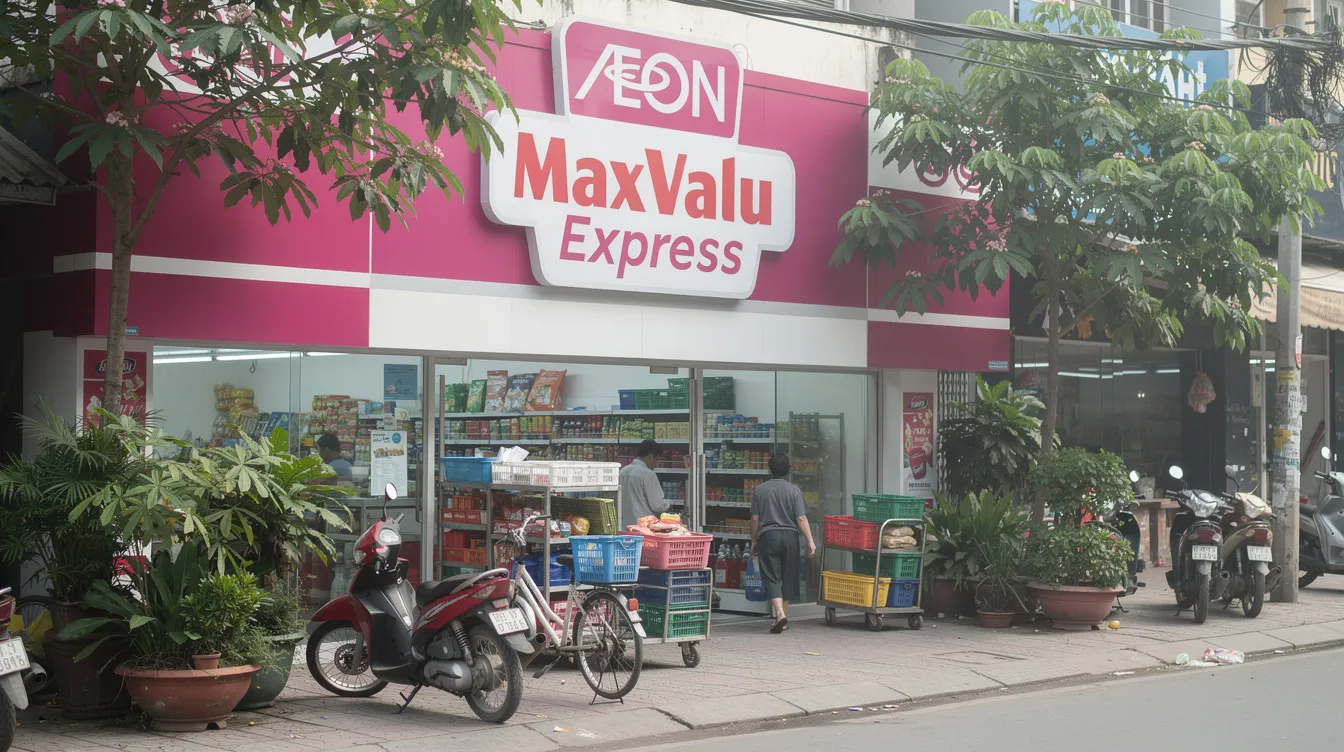
Vietnam has announced a significant easing of restrictions on foreign investment in its retail sector, a move that is expected to facilitate the expansion of Japanese retailers such as Aeon and Takashimaya. This policy change will exempt multinationals from additional reviews when opening multiple stores, streamlining the investment process, according to Nikkei Asia.
As part of its strategic growth plan, Aeon is set to allocate approximately 60% of its investment budget in the ASEAN region to Vietnam between 2026 and 2030. This initiative aims to triple its current scale of operations in the country, reflecting the retailer's confidence in Vietnam's robust market potential. Tezuka Daisuke, a member of Aeon's executive board, emphasized the importance of Vietnam as the company's second most significant market after Japan, highlighting the country's rapid urbanization and growing middle class as key factors driving this decision, as reported by VCCI.
“The company expects to allocate approximately 60% of its investment budget in the ASEAN region to Vietnam.”Tezuka Daisuke, Executive Board Member, AEON
Takashimaya, another prominent Japanese retailer, has also seen positive developments in Vietnam. The company reported an operational profit of 1.16 billion yen (approximately $7.8 million) for the fiscal year ending February 2026, marking its highest profit since entering the Vietnamese market in 2013. This growth was attributed to successful renovations and cost control measures, as detailed in a report by VNExpress.
Yoshio Murata, the president of Takashimaya, mentioned that the company aims to increase its profit contribution from Vietnam to between 5% and 10% of the group's total profits. Currently, profits from Vietnam account for about 4%, stemming from its retail operations in Ho Chi Minh City and ongoing real estate projects in Hanoi. Murata noted that the development of transportation infrastructure in Vietnam is expected to further enhance the retail landscape, creating new opportunities for growth.
“The company aims to increase the profit contribution from Vietnam to between 5% and 10% of the group's total profits.”Yoshio Murata, President, Takashimaya
Vietnam's retail market is projected to reach $309 billion by 2025 and $546 billion by 2030, according to Mordor Intelligence. However, modern retail channels currently represent only 10-15% of the market share, indicating substantial room for growth. This potential is attracting significant foreign investment, particularly from Japan, as companies look to capitalize on the country's demographic trends and increasing consumer spending.
The Vietnamese government’s decision to lower barriers for foreign investment aligns with its broader economic strategy to attract quality investments and enhance the retail sector's competitiveness. As Vietnam continues to develop its infrastructure and improve its business environment, it is likely to become an increasingly attractive destination for foreign retailers seeking to establish a foothold in Southeast Asia.