Vietnam
Sojitz Expands Beef Production in Vietnam with Japanese Standards
The Japanese trading house aims to boost local beef output as consumption rises in Vietnam's growing economy.
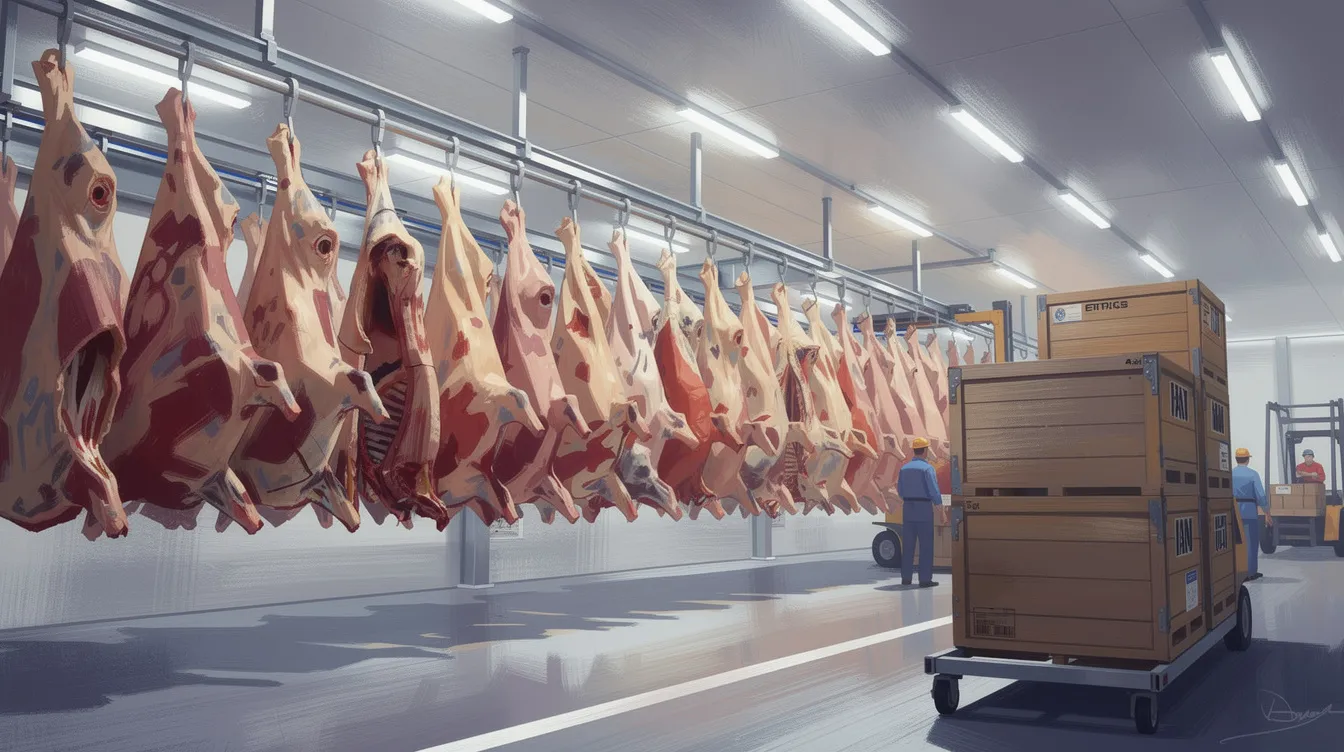
HANOI — Japanese trading house Sojitz Corporation is ramping up its beef production in Vietnam, anticipating a rise in consumption as the economy continues to grow. The company has begun operations at its new beef processing plant in Vinh Phuc Province, which is designed to meet high hygiene standards akin to those in Japan.
Sojitz's facility, known as Vinabeef, is the first in Vietnam to process refrigerated beef in a controlled environment. The plant is expected to process approximately 10,000 tons of beef annually, with a capacity to handle 30,000 cattle per year. This initiative aligns with the growing consumer demand for high-quality beef products in Vietnam, where annual beef consumption currently stands at around 500,000 tons, significantly lower than Japan's consumption of 1 million tons.
According to Sojitz, the demand for beef is expected to increase due to rising income levels and population growth, which reached 100 million in 2023. The company plans to establish a cattle farm adjacent to the processing plant, capable of raising up to 10,000 heads of cattle. This integrated approach aims to ensure a stable supply of high-quality beef products, enhancing Vietnam's food culture.
“This project is crucial for improving the health and nutrition of the Vietnamese people, ensuring that food is safe and of high quality.”Phạm Minh Chính, Prime Minister of Vietnam
Prime Minister Phạm Minh Chính visited the Vinabeef facility on March 16, 2025, commending the collaboration between Vietnamese and Japanese firms that overcame challenges posed by the COVID-19 pandemic. The joint venture between Sojitz and Vietnam Dairy Products JSC (Vinamilk) was formalized in a memorandum of understanding in 2021, aimed at advancing agricultural technology and food safety in Vietnam.
The Vinabeef project, which encompasses a total area of 75.6 hectares, includes both a cattle farm and a state-of-the-art processing facility. The Prime Minister highlighted the significance of this investment in the agricultural sector, noting the difficulties in attracting investments in agriculture compared to industrial sectors. He expressed his satisfaction with the project, emphasizing its importance for improving the health and nutrition of the Vietnamese people, ensuring that food is safe and of high quality. The facility is set to start operations in the fourth quarter of 2024.
As Vietnam's economy continues to evolve, Sojitz's investment reflects a broader trend of increasing foreign direct investment in high-tech agricultural projects. The company's strategic move to enhance beef production is seen as a response to changing consumer preferences and the need for sustainable food sources in the country.