Vietnam
The Ha Giang Loop: Vietnam's Majestic Frontier
Discover the breathtaking landscapes and vibrant cultures of Ha Giang Province, where the mountains tell stories of resilience and adventure.
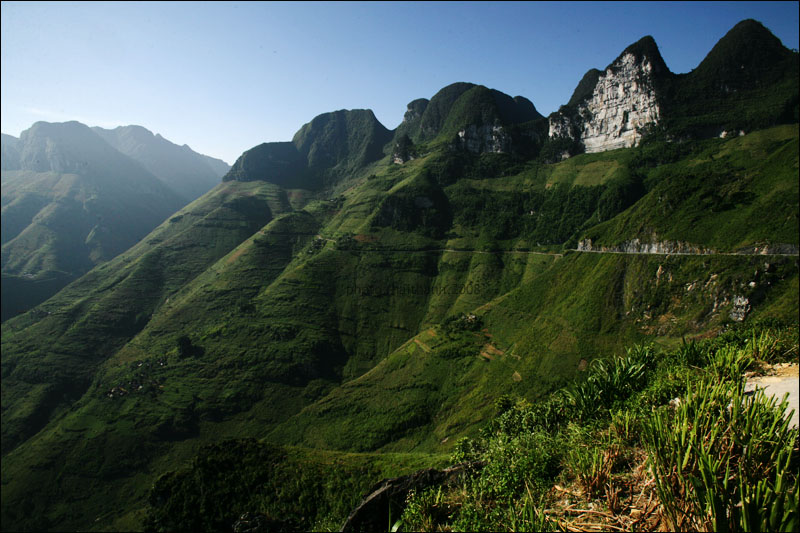
As the sun rises over the jagged peaks of Ha Giang, the mist slowly lifts, revealing a landscape that seems to have been painted by the hands of ancient gods. The Ha Giang Loop, a winding road that snakes through this northern province of Vietnam, is not just a journey; it’s an invitation to explore the heart and soul of a region that embodies both beauty and resilience.
Because of its remote location, Ha Giang remains one of Vietnam’s lesser-known treasures. The loop, stretching approximately 320 kilometers, offers breathtaking views of terraced rice fields, towering limestone cliffs, and the deep valleys that cradle the lives of various ethnic minorities, including the H'mong, Dao, and Tay. Each turn of the road reveals a new vista, a new story, and a new chance to connect with the land and its people.
The Journey Begins
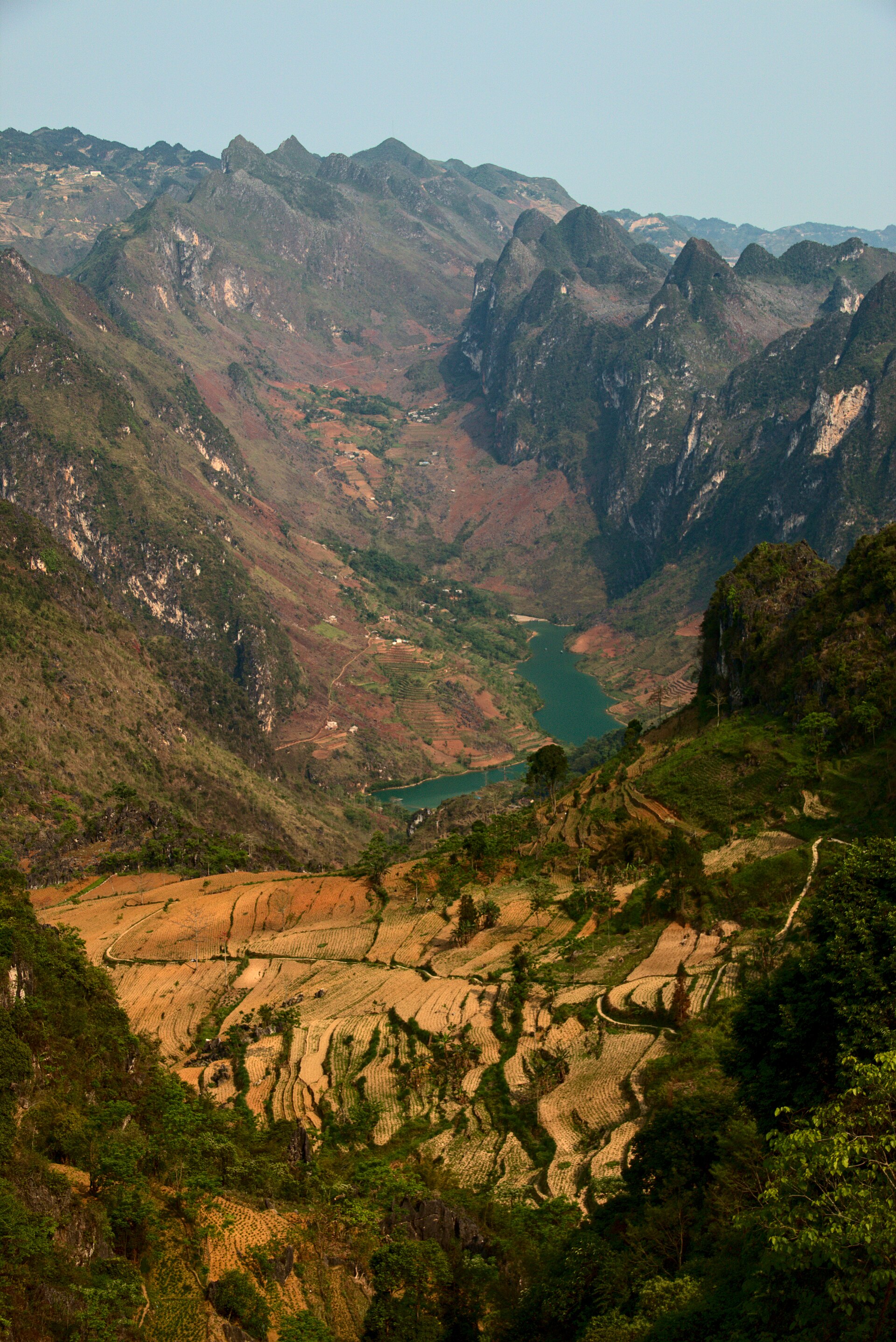
Starting from the provincial capital of Ha Giang city, travelers embark on a journey that feels both exhilarating and humbling. The road is not always smooth, often challenging with steep inclines and hairpin turns, but the rewards are immeasurable. Because of the dramatic elevation changes, the climate shifts from the warm, humid valleys to cooler mountain air, creating a dynamic environment that is home to diverse flora and fauna.
As you navigate the loop, don’t miss the chance to stop at the Dong Van Karst Plateau Geopark, a UNESCO-recognized site. Here, the landscape is a rugged masterpiece, with limestone formations that have stood the test of time. The plateau is also a cultural hub, where local markets burst with color and life, showcasing handmade textiles and traditional crafts that reflect the rich heritage of the region.
Encounters with Culture
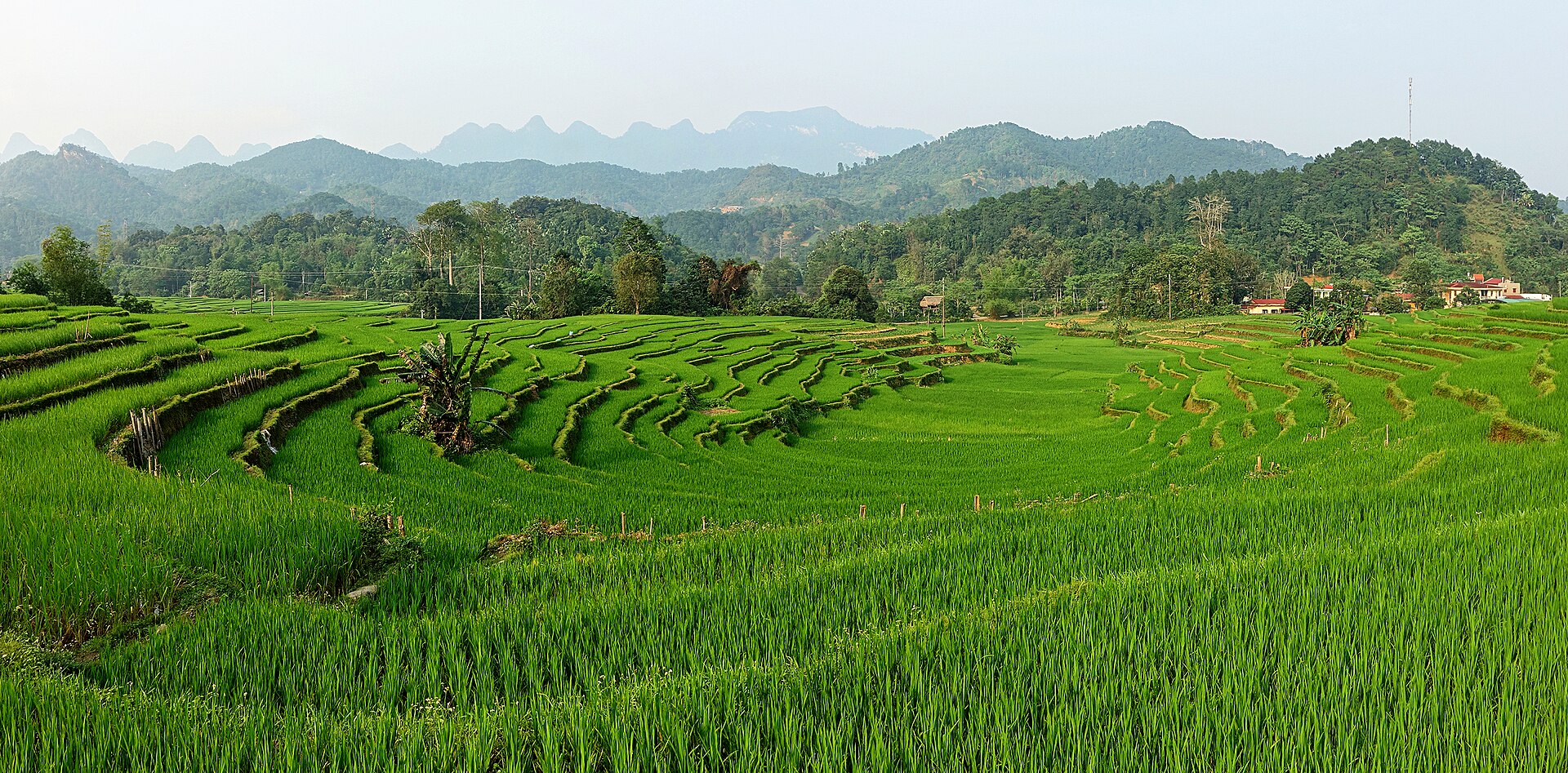
Because of the ethnic diversity in Ha Giang, each village along the loop offers a unique glimpse into the traditional lifestyles that have persisted for centuries. Visitors can witness the daily routines of the locals, from women weaving intricate patterns on looms to farmers tending to their fields. Engaging with the community is essential; a simple greeting in Vietnamese, “Xin chào,” can open doors to heartwarming exchanges and shared stories.
However, it’s important to approach these interactions with respect. Many families still adhere to traditional customs, and visitors should be mindful of local etiquette, especially when photographing people or their homes. Always ask for permission first, as this simple act fosters goodwill and mutual respect.
Challenges and Rewards
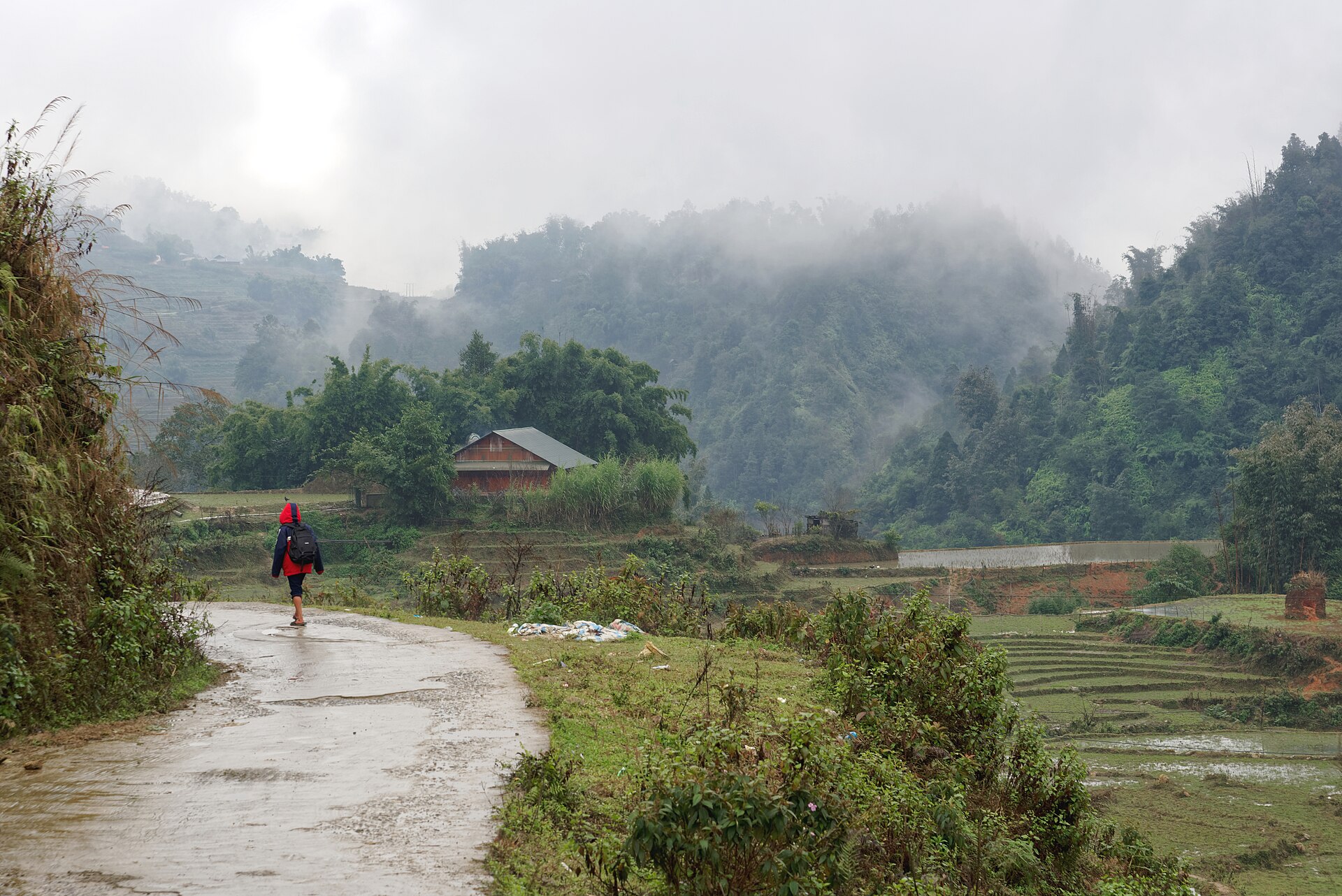
The Ha Giang Loop is not without its challenges. The remoteness of the region means that amenities can be limited, and travelers should prepare for basic accommodations. Additionally, the best time to visit is from September to November, when the rice fields are golden and the weather is mild. During the monsoon season, from June to August, heavy rains can make the roads treacherous.
Yet, for those willing to embrace the adventure, the loop offers a profound sense of connection to nature and culture. The beauty of Ha Giang lies not only in its landscapes but in the spirit of its people, who embody the essence of Vietnam’s historical resilience. Because of their enduring strength, the stories of Ha Giang continue to inspire all who venture into this enchanting frontier.