Vietnam
Ninh Bình: A Journey Through Vietnam's Karst Wonderland
Explore the breathtaking landscapes and rich history of Ninh Bình Province, where nature and culture intertwine.
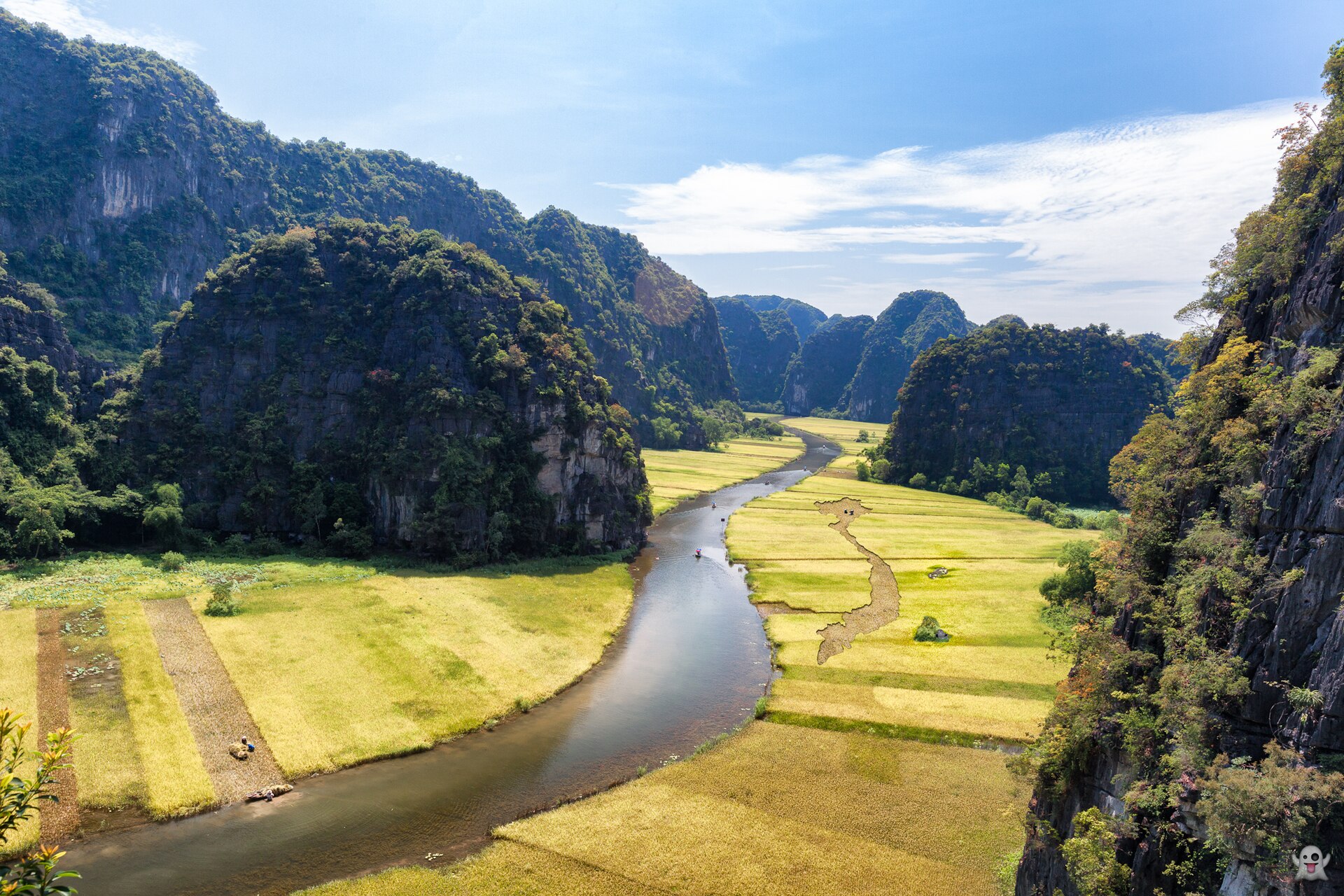
As the sun rises over the limestone karsts of Ninh Bình, a soft mist blankets the landscape, creating an ethereal scene that feels almost otherworldly. Here, in the heart of northern Vietnam, nature and history collide, offering visitors a rich tapestry of experiences that are as diverse as the region's stunning geography.
Ninh Bình, located just a couple of hours south of Hanoi, is often overshadowed by its more famous neighbors like Ha Long Bay. Yet, it is this very remoteness that gives it a charm all its own. The province boasts a unique combination of towering limestone cliffs, winding rivers, and lush rice paddies, making it a paradise for nature lovers and photographers alike. Because of its geological features, Ninh Bình has been designated a UNESCO World Heritage Site, with Tràng An being the crown jewel of this karst landscape.
Exploring Tràng An
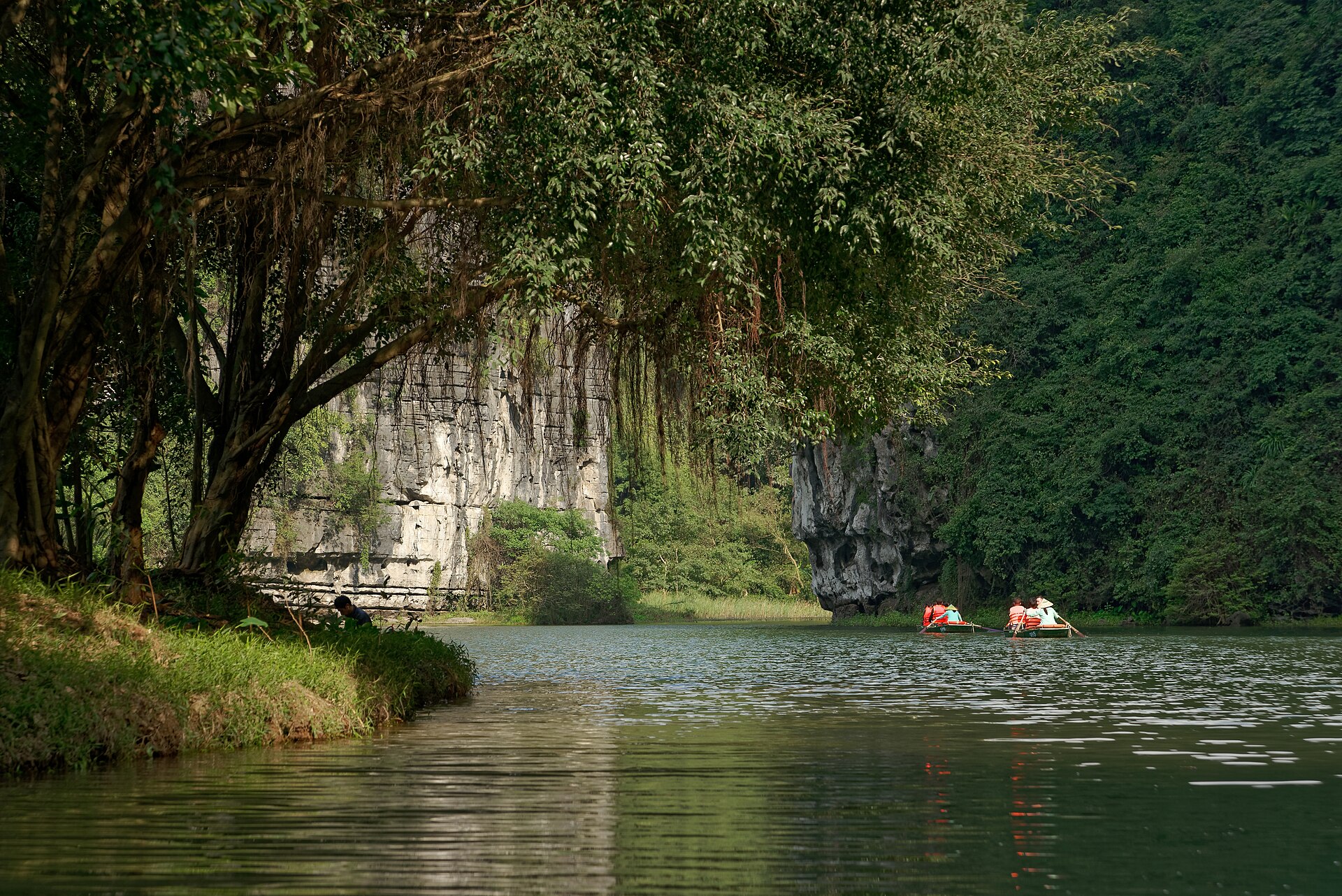
Tràng An is a mesmerizing network of caves and waterways that can be explored by boat. As you glide through the calm waters, flanked by towering cliffs and verdant greenery, you may find yourself lost in thought, captivated by the serenity of your surroundings. The journey typically takes about two hours, and you’ll pass through several caves, each with its own unique formations and stories. Because this area is rich in biodiversity, keep your eyes peeled for local wildlife, including various birds and even monkeys.
The Ancient Capital of Hoa Lư
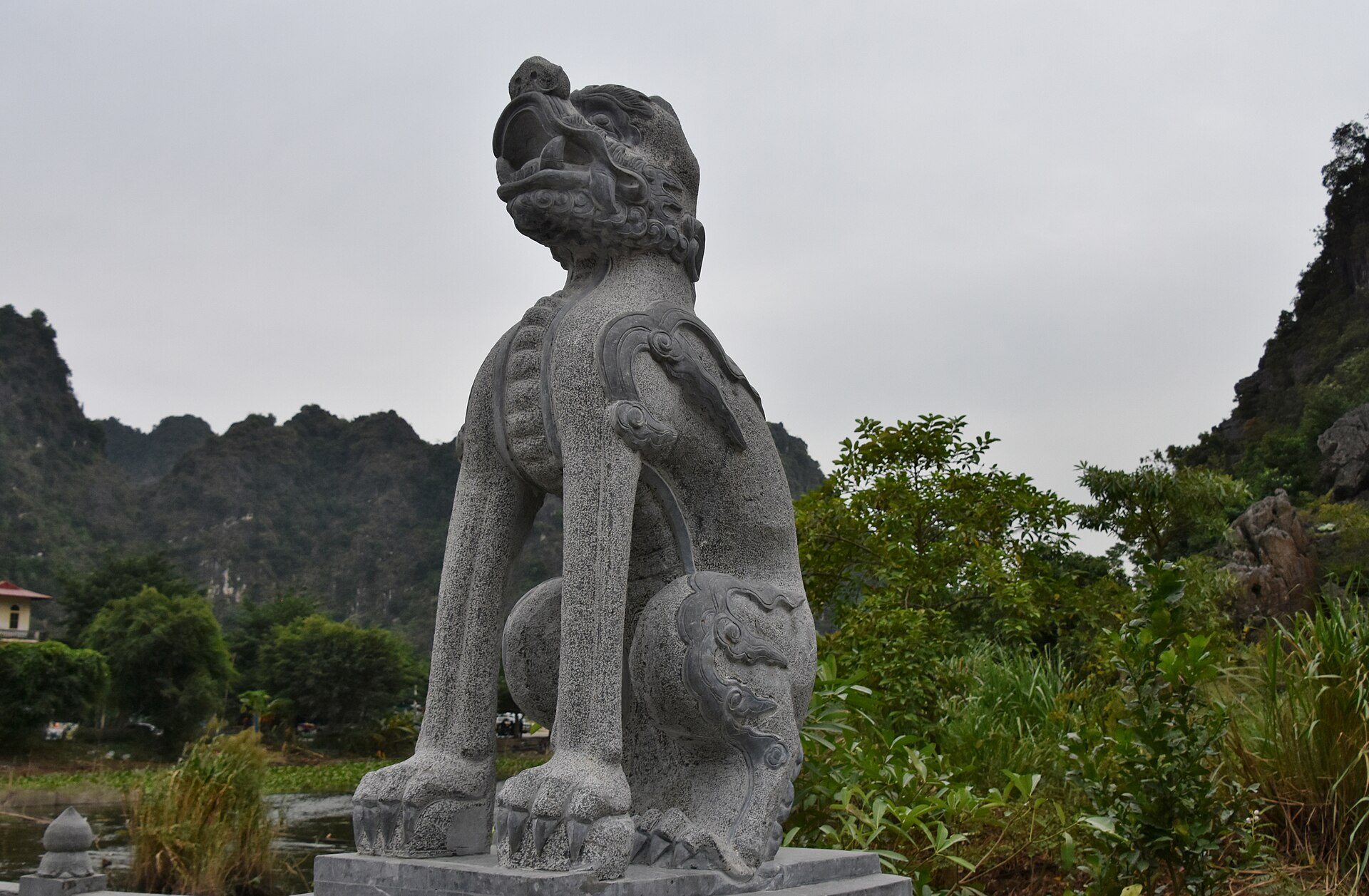
After a day on the water, a visit to the ancient capital of Hoa Lư is a must. This historic site, once the capital of Vietnam in the 10th century, is home to impressive temples dedicated to the Dinh and Le dynasties. The architecture reflects a blend of Vietnamese and Chinese influences, and the surrounding mountains provide a stunning backdrop. Because of its historical significance, Hoa Lư offers a glimpse into Vietnam's past, allowing visitors to appreciate the resilience and ingenuity of its people.
Cultural Richness
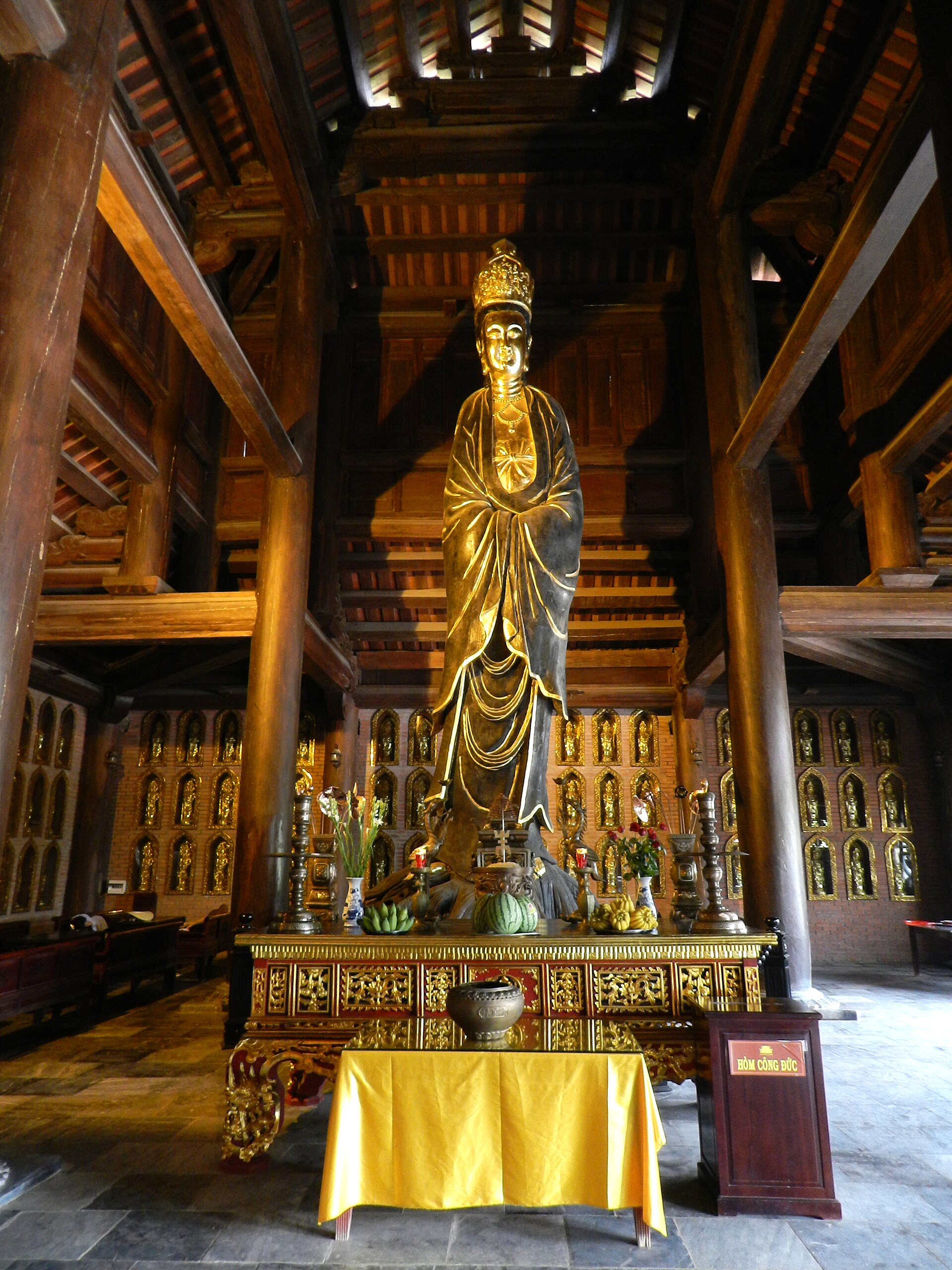
Ninh Bình is not just about natural beauty; it is also a hub of cultural experiences. The Bái Đính Temple complex, one of the largest Buddhist temples in Vietnam, is a testament to the spiritual heritage of the region. Here, you can witness the grandeur of Buddhist architecture, with its towering statues and intricate carvings. It’s a place where the faithful gather, and the atmosphere is imbued with a sense of peace and reverence. Because this temple attracts many pilgrims, visiting during the early morning or late afternoon can provide a more tranquil experience.
Practical Tips for Travelers
To reach Ninh Bình, travelers can take a train or a bus from Hanoi, both of which offer a scenic route through the countryside. The best time to visit is from late September to early April, when the weather is cooler and more comfortable for exploring. However, be prepared for the occasional rain during the wet season, which can make some outdoor activities challenging. Because of its growing popularity, it’s advisable to book accommodations in advance, especially during peak tourist seasons.
While the beauty of Ninh Bình is undeniable, it is essential to approach this destination with respect. The local customs and traditions are deeply rooted in the culture, and visitors should be mindful of their behavior, especially when visiting religious sites. A simple gesture of politeness can go a long way in fostering goodwill with the local community.
Ninh Bình is a place where the past and present coexist harmoniously, inviting travelers to immerse themselves in its natural wonders and rich history. With its stunning landscapes, cultural treasures, and warm hospitality, it is a destination that deserves a spot on every traveler's itinerary.