Vietnam
Exploring the Hidden Wonders of Phong Nha-Kẻ Bàng National Park
Discover the breathtaking caves and rich biodiversity of Vietnam's UNESCO World Heritage Site.
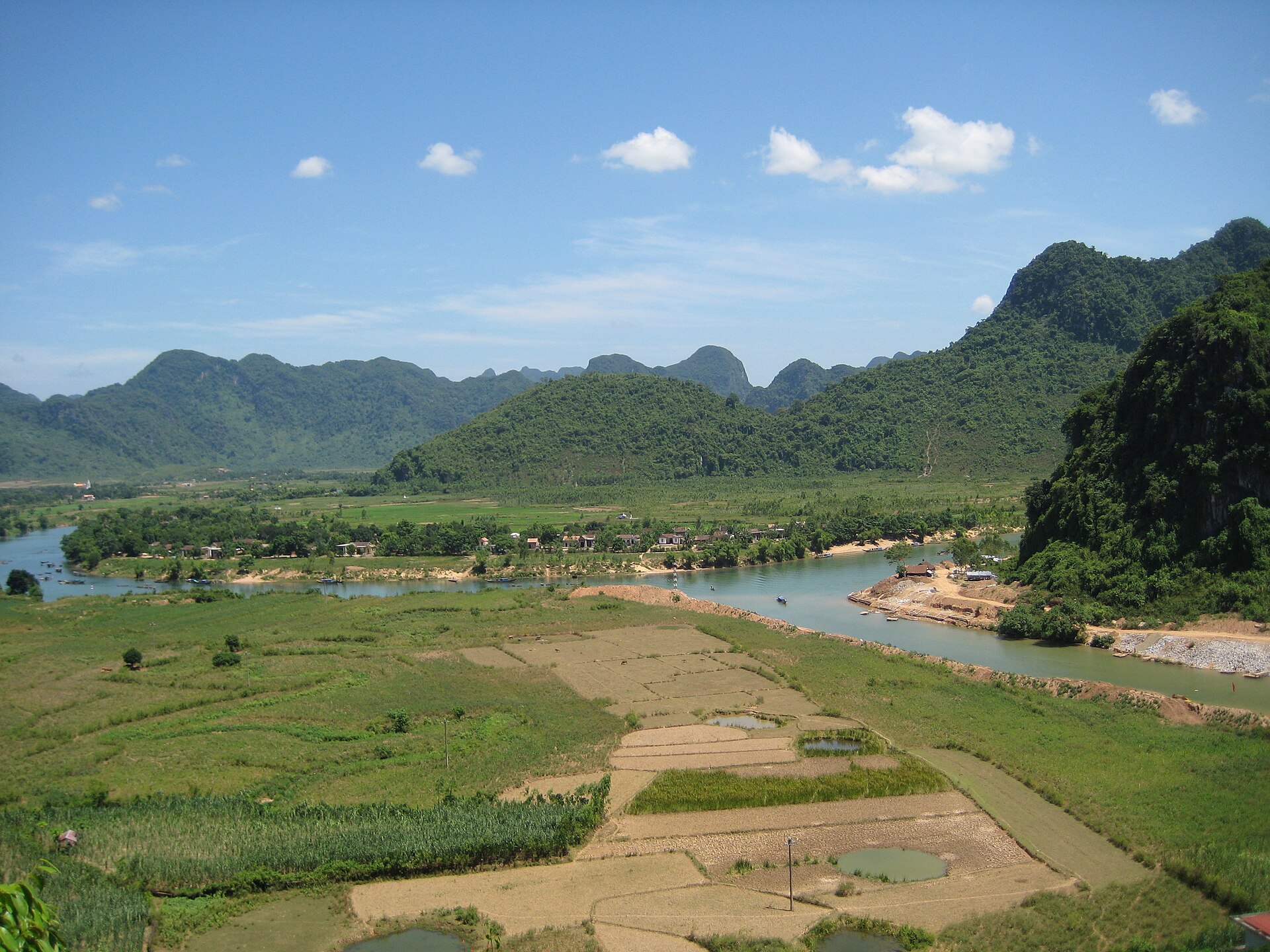
As the sun rises over the lush green hills of Quảng Bình Province, a symphony of nature awakens in Phong Nha-Kẻ Bàng National Park. The air is thick with humidity, a reminder of the tropical climate that nourishes this UNESCO World Heritage Site. Here, the limestone karst formations rise dramatically, creating a breathtaking backdrop for one of the most remarkable cave systems on the planet.
Because of its geological significance, Phong Nha-Kẻ Bàng is not just a feast for the eyes; it is a living museum of ancient history. The park is home to over 300 caves and grottoes, including the famed Sơn Đoòng Cave, which was discovered only in 2009 and is considered the largest cave in the world. As you stand at the entrance of this colossal cavern, you can’t help but feel a sense of awe at the sheer scale of nature’s artistry.
Journey into the Depths
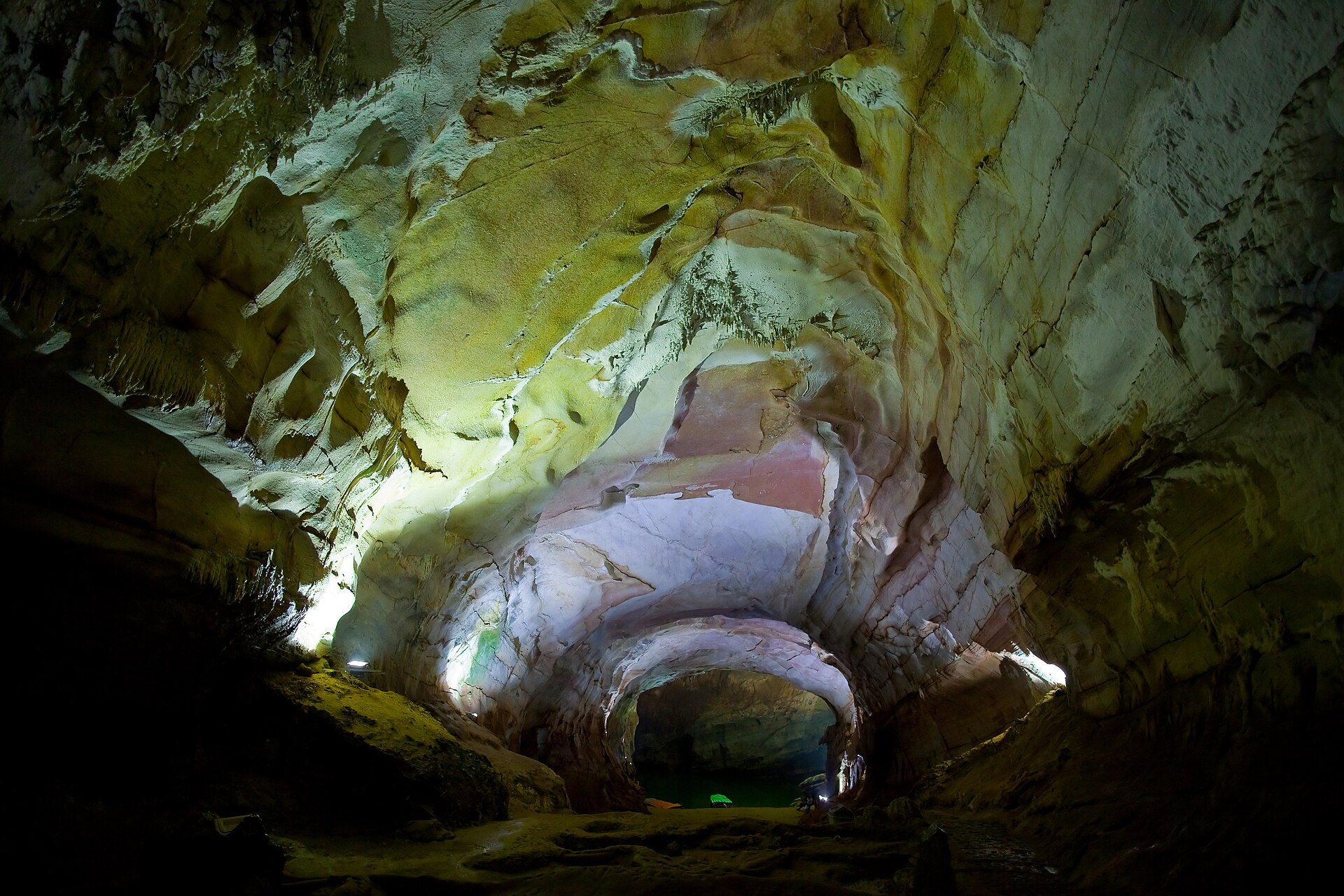
To truly appreciate the wonders of Phong Nha, one must venture inside its caves. The Phong Nha Cave, accessible by boat, offers a glimpse into the underground river that flows through its heart. The entrance fee is modest, and the experience is priceless. As you glide through the water, the stalactites and stalagmites illuminated by soft lights create a magical atmosphere, transporting you into another world.
For those seeking a more adventurous experience, Hang Toi (Dark Cave) invites you to kayak across a river before swimming through its dark passages. This cave remains relatively untouched, allowing visitors to explore its natural beauty without the crowds. But be cautious; the tropical storms that sweep through the region from July to December can lead to sudden flash floods.
Cultural Richness and Local Life
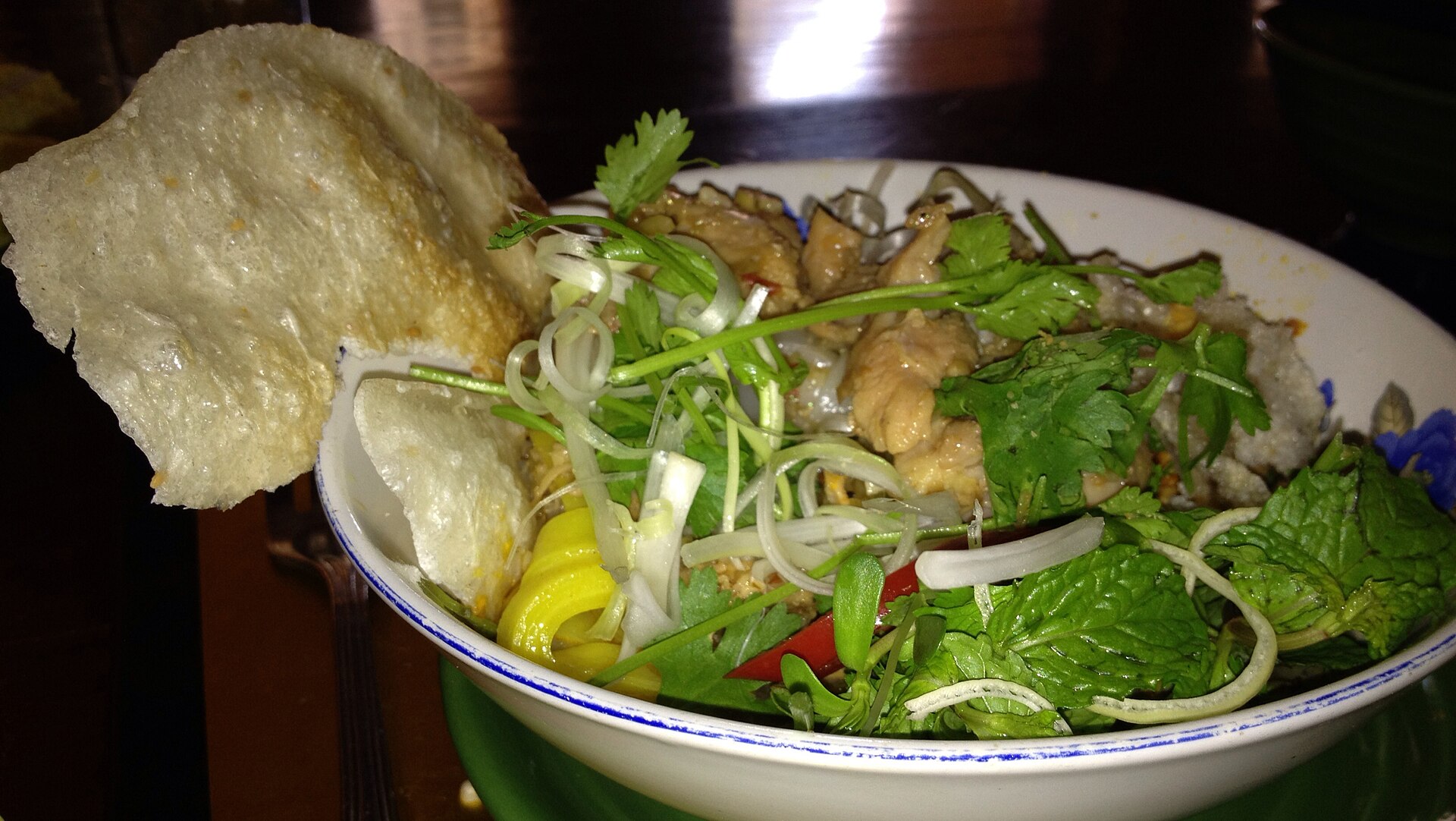
Because of its remote location, Phong Nha-Kẻ Bàng is not just about the caves; it’s also about the people who call this region home. The town of Phong Nha has grown around the tourism boom, yet it retains a charming, laid-back vibe. Here, you can savor local dishes like bun thit nuong (grilled pork vermicelli) or indulge in fresh seafood at the riverside restaurants. The Pub with Cold Beer is a popular spot among travelers, where you can enjoy a cold drink after a day of exploration.
For those looking to immerse themselves in the local culture, consider staying at a homestay in one of the nearby villages. This not only supports the local economy but also offers a unique opportunity to experience traditional Vietnamese hospitality. You might even find yourself sharing a meal with a local family, learning about their customs and stories.
Planning Your Visit
Getting to Phong Nha-Kẻ Bàng is relatively straightforward. The nearest airport is in Dong Hoi, approximately 50 km away, with regular flights from major cities like Hanoi and Ho Chi Minh City. From Dong Hoi, local buses and taxis can whisk you to the park in under an hour. The best time to visit is from February to August when the weather is cooler and drier, allowing for comfortable exploration.
As you navigate through the park, remember to respect the environment. The delicate ecosystem of Phong Nha-Kẻ Bàng is a treasure that requires protection. Because of the park's significance, visitors are encouraged to follow guidelines and support conservation efforts.
In conclusion, Phong Nha-Kẻ Bàng National Park is not merely a destination; it is an experience that intertwines adventure, history, and culture. As you explore its depths, you will find that each cave tells a story, and each moment spent in this breathtaking landscape is a testament to the resilience and beauty of nature.