Vietnam
Tesla Enters Vietnam's Growing Electric Vehicle Market
The American electric vehicle giant establishes a subsidiary in Ho Chi Minh City, signaling its intent to compete with local leader VinFast.
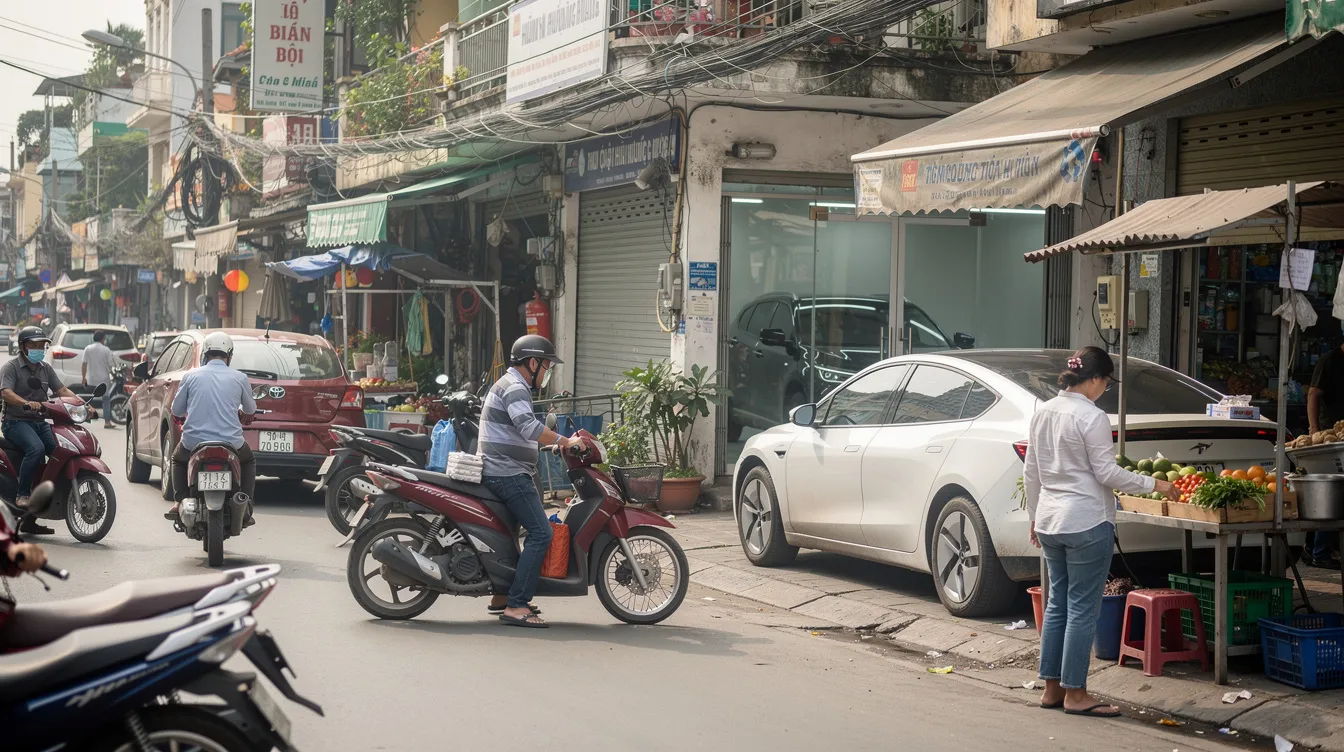
HANOI — Tesla has officially established a subsidiary in Vietnam, named Tesla Motors Vietnam LLC, as it prepares to enter one of Southeast Asia's fastest-growing electric vehicle (EV) markets. The company registered its business on September 11, 2026, with a charter capital of approximately VND 77.6 billion (around $3 million), and is headquartered in Ho Chi Minh City.
According to multiple reports, Tesla Motors Vietnam will focus on wholesaling automobiles and motor vehicles, as well as related activities such as selling spare parts and machinery. The company has three legal representatives: David Jon Feinstein, who serves as chairman, Isabel Ching Fan as CEO, both U.S. citizens with extensive experience at Tesla, and Nguyen Manh Hung, a local resident who acts as the assistant general director.
The establishment of Tesla's legal entity in Vietnam comes at a time when the country is increasingly focusing on reducing emissions in major urban areas. Hanoi has already initiated a low-emission zone, and Ho Chi Minh City plans to follow suit by 2027. This regulatory environment is seen as favorable for EV manufacturers.
However, Tesla faces significant challenges in the Vietnamese market, particularly regarding the charging infrastructure. Currently, the EV charging network is largely dominated by VinFast, a local company that has established itself as the market leader. VinFast has been proactive in developing charging stations that primarily serve its own vehicles, which could pose a barrier for Tesla as it seeks to establish its presence.
Despite these challenges, the entry of Tesla is expected to provide Vietnamese consumers with more options in the EV market. Local interest in electric vehicles has been growing, driven by a combination of environmental concerns and government policies aimed at promoting sustainable transportation.
As Tesla expands its footprint in Southeast Asia, it has already made significant inroads in countries like Thailand and Malaysia, where it has set up distribution networks and charging stations. The company's entry into Vietnam is seen as a strategic move to tap into the region's rapidly evolving automotive landscape.