Vietnam
Mitsubishi Materials Turns to Vietnam for Tungsten Supply Amid China Restrictions
The Japanese firm sources tungsten from Vietnam, including recycled materials, to navigate export limitations from China.
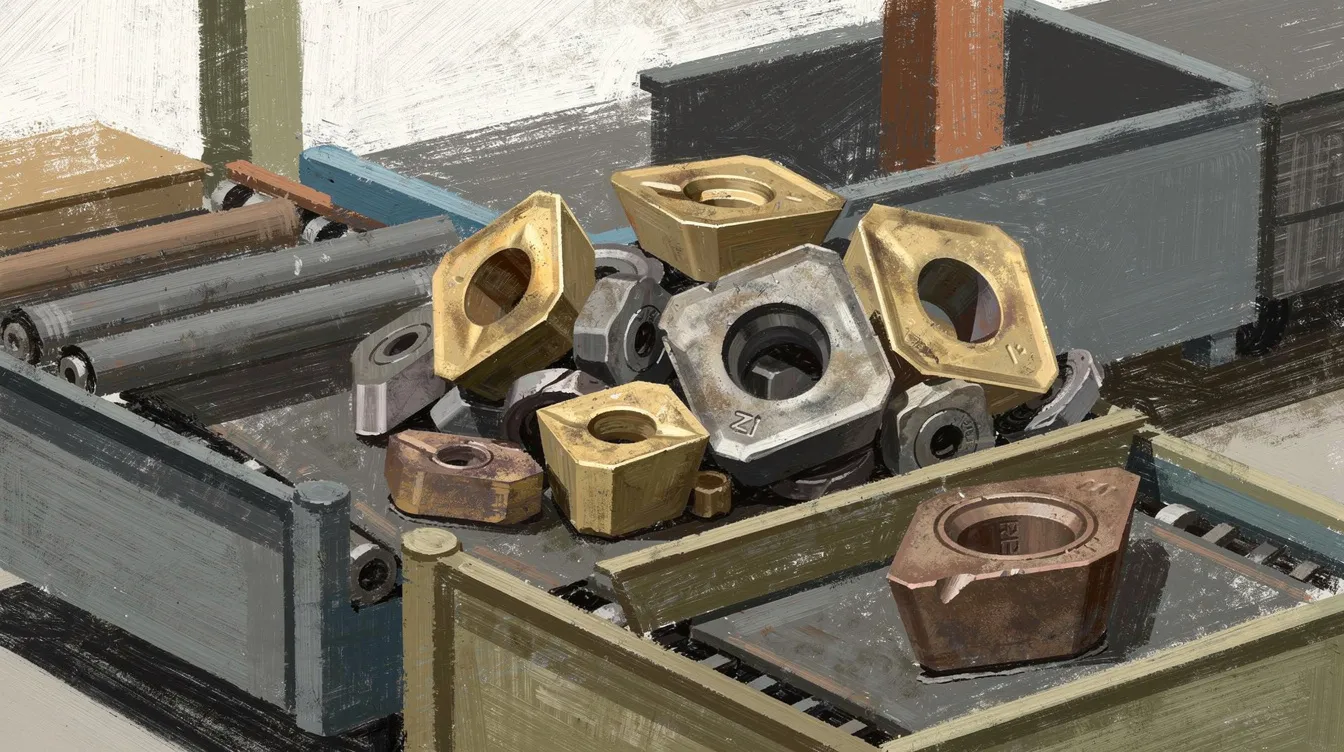
In a strategic shift, Mitsubishi Materials Corporation is now sourcing tungsten from Vietnam, including recycled tungsten derived from carbide scrap. This development comes as the company seeks to mitigate the impact of Chinese export restrictions on tungsten, a critical material for various industries, including the production of carbide tools.
According to a report by Nikkei, the Japanese firm has initiated full-scale imports from Vietnam. The high costs associated with recycled tungsten have prompted Mitsubishi to adjust its pricing structure for carbide tools, indicating the economic pressures at play in the global market.
“Mitsubishi Materials is sourcing recycled tungsten from Vietnam for carbide tools, turning to a costlier source for the industrial metal to sidestep Chinese export restrictions.”Nikkei
China currently dominates the tungsten market, accounting for approximately 80% of global production, as reported by the U.S. Geological Survey (USGS). This reliance on Chinese sources has raised concerns among companies like Mitsubishi Materials, leading to increased investments in alternative supply chains. As part of this strategy, Mitsubishi is investing to enhance its recycling capabilities in Japan, further emphasizing the importance of securing a stable supply of tungsten.
In Vietnam, Masan High-Tech Materials (MHT) plays a crucial role in the tungsten supply chain. The company operates the Núi Pháo polymetallic mine and processing facility in Thái Nguyên, which has the capacity to handle both domestic and imported materials for tungsten production. MHT has been actively expanding its operations and recently entered into a strategic alliance with Mitsubishi Materials, which initially involved a significant investment in exchange for a 10% stake in MHT.
“China currently dominates the tungsten market, accounting for approximately 80% of global production.”U.S. Geological Survey
However, recent developments indicate that Mitsubishi Materials is planning to divest its entire stake in MHT. This divestment aligns with Mitsubishi's broader restructuring efforts within its investment portfolio. MHT has clarified that this move is part of its strategy to optimize domestic operations, particularly in light of regulatory constraints that limit the importation of tungsten scrap into Vietnam.
As the global market for tungsten evolves, the interplay between Japanese firms and Vietnamese producers underscores the shifting dynamics in the supply chain. Analysts suggest that while the immediate impact of these changes may be challenging, they also present opportunities for Vietnamese companies to strengthen their positions in the international market.