Vietnam
Compal Expands AI Server Production in Vietnam, Taiwan, and the US
The Taiwanese electronics manufacturer is ramping up operations to meet surging demand for AI infrastructure.
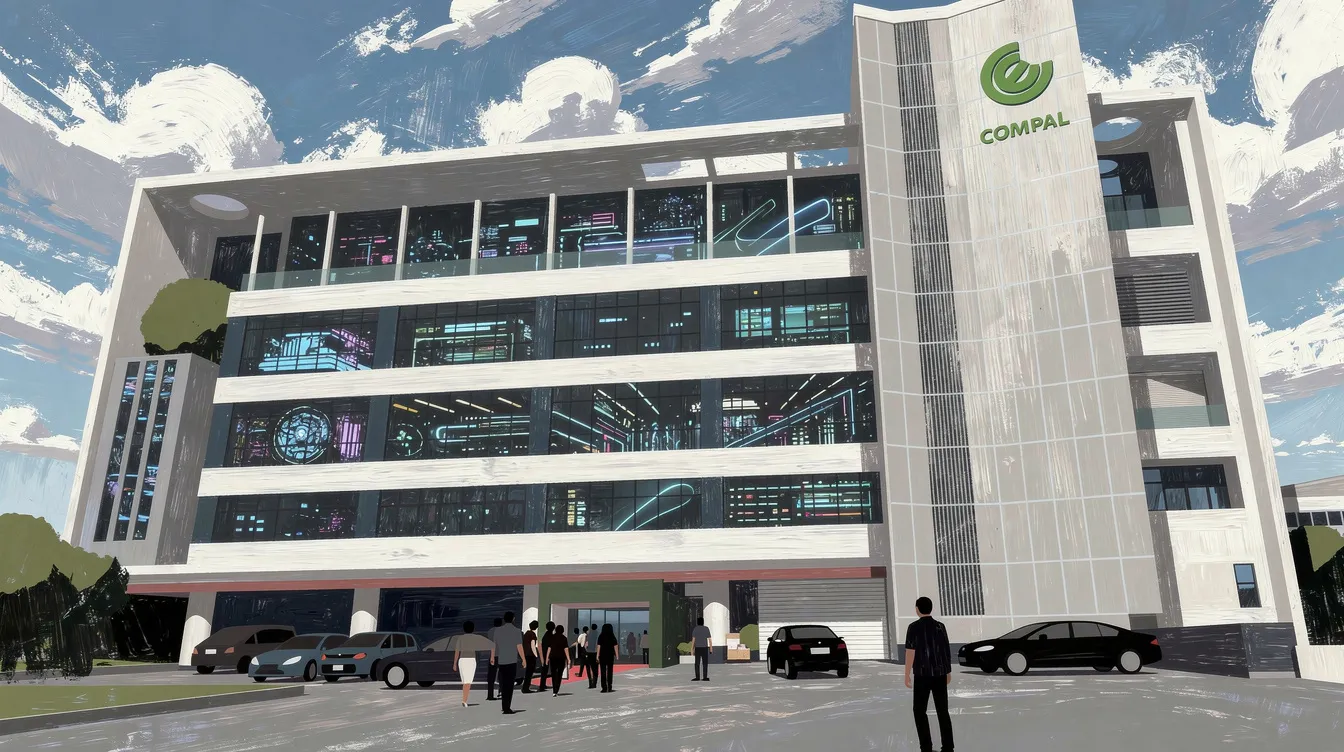
Compal Electronics, a major supplier of laptops for HP and Dell, is significantly expanding its production capabilities for AI servers in Vietnam, Taiwan, and the United States. This strategic shift comes as the global demand for AI infrastructure surges, prompting the company to pivot from traditional PC manufacturing to focus on AI server production.
The company has increased its capital expenditure for 2026 to NT$18 billion (approximately US$558 million), a substantial rise from NT$8 billion (around US$248 million) in 2025. This investment will facilitate the construction and expansion of AI server manufacturing facilities across the three key markets, with a new factory in Taoyuan, Taiwan expected to begin production in the fourth quarter of 2026.
“Vietnam will serve as a strategic center for our level 6 manufacturing, meaning component production, before products are sent to Taiwan and Texas for final assembly of AI servers.”Ray Chen, President of Compal Electronics
Compal's second factory in Vietnam is also expected to commence operations soon, where it will focus on producing components that will be shipped to Taiwan and Texas for final assembly. Compal's President, Ray Chen, stated at the opening ceremony that Vietnam will serve as a strategic center for their level 6 manufacturing, meaning component production, before products are sent to Taiwan and Texas for final assembly of AI servers.
This expansion is part of Compal's broader strategy to capture a growing share of the AI server market, which is projected to contribute approximately 10% to the company's total revenue this year, up from about 2% in 2025. Analysts expect this figure could rise to between 30% and 40% in the next year as the company secures additional contracts with large-scale cloud service providers and enterprises.
Currently, Compal has begun shipping AI servers to clients categorized as “neocloud,” which refers to data centers specializing in providing AI computing capabilities. Notable clients include GMI Cloud from the U.S. and Dell.
“The supply of DRAM may remain constrained next year, putting significant pressure on the personal computing industry.”Ray Chen, President of Compal Electronics
However, Compal faces challenges related to a global shortage of chips and components, particularly DRAM and CPUs. Ray Chen noted that the supply of DRAM may remain constrained next year, putting significant pressure on the personal computing industry. Alan Chang, Compal's Vice President and General Manager of AI Servers, echoed this concern, stating during a discussion with reporters that CPU supply is also limited, affecting server production.
The company aims to leverage its established supply chain relationships to navigate these challenges effectively. Compal's extensive production network across Taiwan, Vietnam, and the U.S. allows it to allocate manufacturing processes strategically, enhancing its ability to meet customer demand in various markets.
In a related development, Vietnam is also making strides in the AI sector, with the government planning to train at least 10,000 highly skilled AI professionals by 2030. This initiative, signed into action by Deputy Prime Minister Le Tien Chau, aims to enhance the country's workforce capabilities in strategic technology sectors. Vietnamese media emphasized that the program is designed to ensure that 80% of high school and pre-university students receive foundational AI knowledge, while 100% of higher education students are expected to acquire relevant skills. This focus on human resource development contrasts with Indonesian coverage, which primarily highlighted Compal's operational expansion without delving into the broader implications for workforce training and education in AI.
While both countries recognize the importance of AI infrastructure, Indonesian reports stressed Compal's immediate operational goals and market strategies, whereas Vietnam's outlets framed the discussion around long-term human resource development, suggesting a national commitment to becoming a regional leader in AI technology.