Malaysia
FICG to Expand Optical Parts Production in Malaysia Amid AI Demand
Taiwan's FICG plans to triple its manufacturing capacity in Malaysia by 2028, responding to surging demand for optical components in AI data centers.
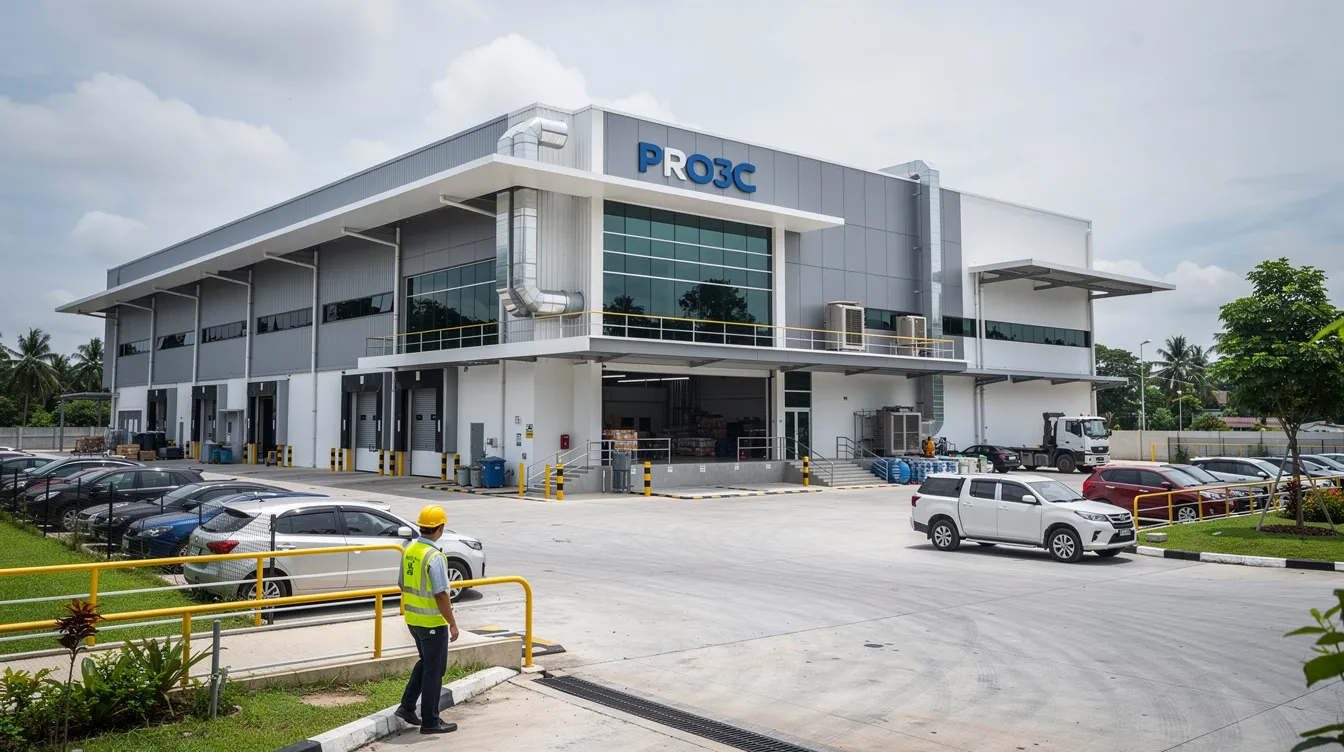
FICG, a Taiwanese manufacturer of optical components, announced plans to more than triple its production capacity in Malaysia by the end of 2028. This expansion comes as the company seeks to address the increasing demand for optical parts that support artificial intelligence (AI) data center networks. The move aligns with the company's 'China +1' strategy, which aims to diversify its supply chain at the request of U.S. customers.
FICG began mass production at its first Malaysian factory, Pro3C, earlier this year. During the official opening ceremony, executives highlighted the need to ramp up production to keep pace with the unprecedented demand for optical components, particularly as AI technologies continue to proliferate across various sectors.
Analysts have noted that FICG's expansion is part of a broader trend within the semiconductor and optical industries, where companies are increasingly relocating operations to Southeast Asia. This shift is partly driven by anticipated U.S. restrictions on Chinese-made optical transceivers, which could create opportunities for Malaysian manufacturers. Kenanga Investment Bank indicated that such restrictions would favor companies like Nationgate Holdings Bhd, which is also ramping up its optical networking capabilities in Malaysia.
“We see this development as incrementally positive for NATGATE should the proposed restrictions eventually be implemented.”Kenanga Investment Bank, analyst
Nationgate has secured new U.S. customers and is preparing for initial commercial production in late 2026. The company is expanding its manufacturing scope to include more complex optical processes, which could enhance its competitiveness against established players in the optical manufacturing sector.
Additionally, the establishment of MetaOptics Technologies Sdn. Bhd. in Malaysia signals further commitment from international firms to invest in the optical sector. MetaOptics aims to develop advanced metalens technology, which could enable smaller and more efficient optical designs. This development is part of efforts to strengthen cooperation and develop the metalens industry in Malaysia.
As investments in the optical sector increase, Malaysia continues to attract international firms and expand its manufacturing capabilities in this field.