Thailand
Thailand Prepares for IMF-World Bank Annual Meetings: Showcasing Economic Potential
Thailand aims to leverage the upcoming IMF-World Bank Annual Meetings to attract investment and strengthen international trade relations.
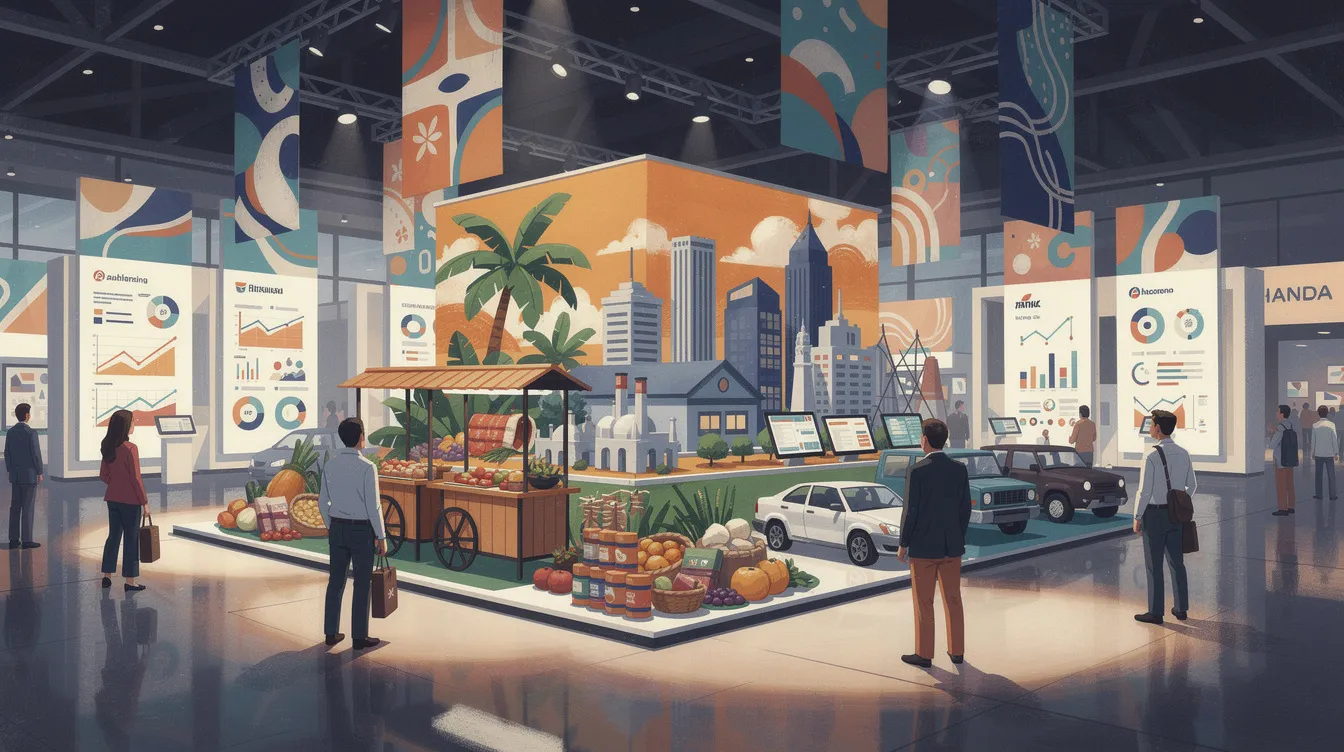
Thailand is gearing up to host the Annual Meetings of the International Monetary Fund (IMF) and the World Bank Group from October 12 to 18, 2026, at the Queen Sirikit National Convention Center in Bangkok. This event is expected to attract around 18,000 attendees, including global leaders and representatives from various countries, with an estimated total of 20,000 participants when including accompanying guests. Officials believe this gathering presents a significant opportunity to showcase Thailand's economic capabilities and attract future investments.
Deputy Prime Minister and Minister of Commerce, Suphachai Sutthiphon, emphasized the importance of this event in promoting Thai products, cuisine, and cultural identity. He said the meetings would provide a platform for Thailand to demonstrate its potential to the world and to listen to recommendations from other countries for development. Suphachai also noted the meetings could encourage foreign delegates to return as tourists and investors.
“The meetings provide a platform for Thailand to demonstrate its potential to the world and to listen to recommendations from other countries for development.”Suphachai Sutthiphon, Deputy Prime Minister and Minister of Commerce
In addition to the main meetings, Thailand plans to hold side discussions with international representatives. Suphachai is scheduled to meet with officials from Switzerland to explore trade opportunities and discuss collaborative business ventures. There are also plans to meet with Ngozi Okonjo-Iweala, the Director-General of the World Trade Organization (WTO), to exchange views on the evolving global trade landscape and seek support for Thailand's trade objectives.
The Thai government aims to use this event not just as a showcase but as a strategic opportunity to discuss economic resilience and cooperation amid global uncertainties. The Deputy Spokesperson for the Prime Minister's Office, Lalida Perisvivatana, highlighted that the meetings will also focus on Thailand's readiness as a key investment hub in the region, particularly in sectors like digital infrastructure, clean energy, and emerging industries such as artificial intelligence (AI) and electric vehicles (EVs).
“Prime Minister Anutin Charnvirakul has emphasized the importance of leveraging this global platform to enhance Thailand's role in the international economic arena.”Deputy Spokesperson for the Prime Minister's Office, Lalida Perisvivatana
On October 13, Thailand's Finance Minister, Ekniti Nitithanprapas, will participate in a panel titled “Building Resilience in a Fragmented World” alongside Kristalina Georgieva, Managing Director of the IMF, and other international finance leaders. This discussion will address strategies for strengthening economic stability in light of geopolitical tensions impacting the global economy.
As the host nation, Thailand is keen to ensure that the meetings not only succeed in their logistical execution but also translate into tangible economic benefits for local businesses and communities. Prime Minister Anutin Charnvirakul has emphasized the importance of leveraging this global platform to enhance Thailand's role in the international economic arena.
In contrast, coverage from Thai media outlets highlights a broader concern regarding global economic challenges. Mohammed Al-Jadaan, the Saudi Finance Minister and chair of the International Monetary and Financial Committee (IMFC), emphasized the increasing risks posed by geopolitical tensions and their impact on economic activities. He noted that disruptions in maritime transport have affected energy supply chains and led to price pressures, necessitating cautious economic policies from countries worldwide.
Moreover, Al-Jadaan pointed out that while AI presents significant opportunities for productivity and growth, it also risks exacerbating economic disparities, particularly in lower-income countries. This perspective underscores a more cautious approach to the potential benefits of technological advancements, contrasting with Thailand's more optimistic framing of AI as a key growth driver.
Kristalina Georgieva, in her remarks, echoed these sentiments, stating that the meetings reflect both concerns and hopes regarding the global economic outlook. She highlighted the need for strong economic policies and institutions to withstand shocks, emphasizing that reliance solely on AI could lead to vulnerabilities.
The Thai government’s narrative focuses on showcasing Thailand as a resilient investment hub, while the IMFC's discussions reflect a more cautious and globally aware perspective on economic challenges and the need for international cooperation. This divergence illustrates the balance Thailand seeks to strike between promoting its economic potential and acknowledging the broader risks that could impact its growth trajectory.