Singapore
Waymo to Launch Driverless Ride-Hailing Service in Singapore by 2028
Alphabet's Waymo will introduce its autonomous vehicles in the Labrador and HarbourFront areas, marking its first venture into Southeast Asia.
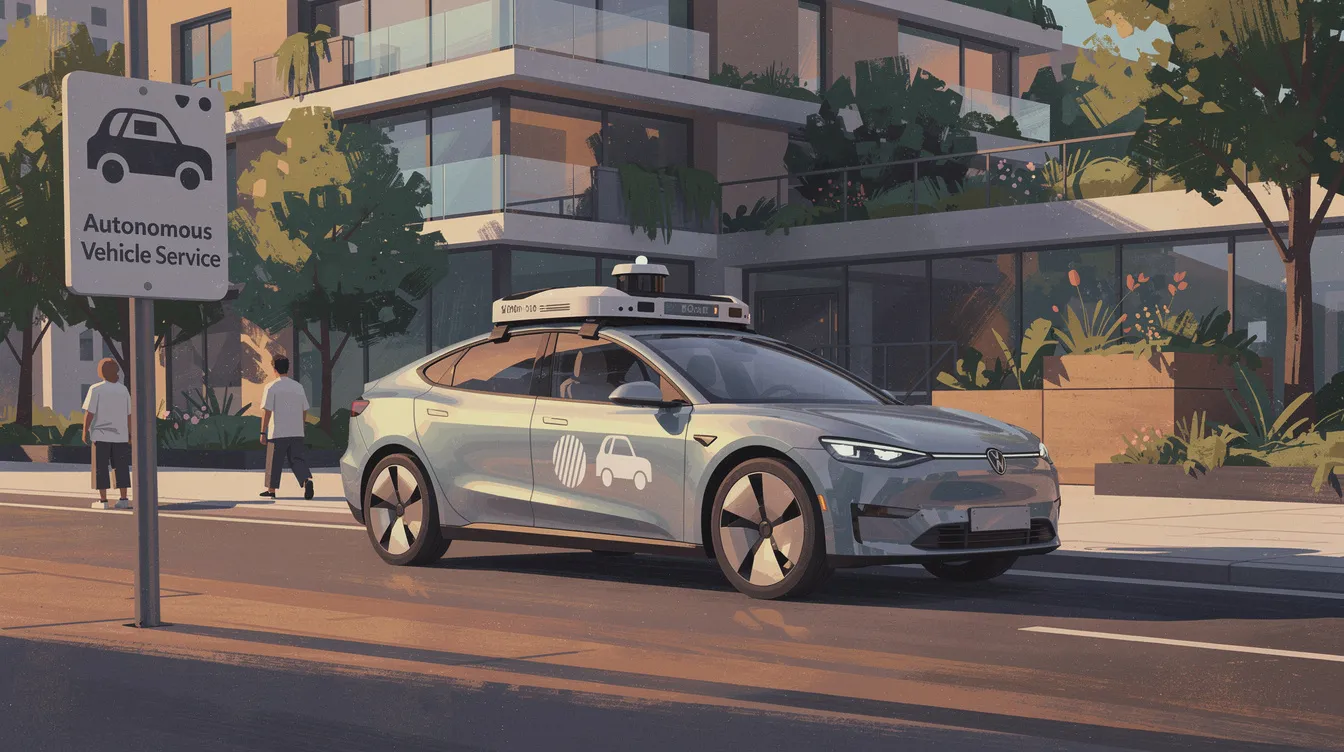
Waymo, the autonomous vehicle division of Alphabet, has announced plans to introduce its driverless ride-hailing service in Singapore by 2028. This marks the company's first entry into Southeast Asia, with operations set to begin in the Labrador and HarbourFront areas of the city-state.
Waymo revealed that its initial fleet will consist of all-electric Jaguar I-PACE vehicles, which are expected to arrive in Singapore in the coming months. The company will conduct a 'readiness phase' in 2027, during which trained specialists will manually drive the vehicles to adapt Waymo's autonomous system, known as the Waymo Driver, to local road conditions, including the unique geometry and monsoon weather patterns of Singapore.
“The measure of success for driverless technology, and perhaps any technology, is when we stop thinking about how it works and start thinking about what it allows us to do.”Jeffrey Siow, Minister for Transport, Singapore
Transport Minister Jeffrey Siow stated that Waymo’s entry into the market will significantly increase the number of autonomous vehicles (AVs) available for passenger services in Singapore, which currently has 16 AVs in operation. The total is expected to rise to several hundred within the next two years. However, this will still represent only a small fraction of the over 70,000 taxi and private-hire car drivers currently operating in the city.
Waymo's deployment aligns with Singapore's broader strategy to enhance its transportation ecosystem through the integration of autonomous mobility services. The Land Transport Authority (LTA) is collaborating closely with Waymo to ensure compliance with safety regulations and to build public trust in autonomous vehicles. The government is also committed to supporting drivers affected by this transition, providing retraining opportunities and assistance for those willing to shift into new roles created by the growing autonomous vehicle sector.
Waymo's co-CEO, Tekedra Mawakana, emphasized the importance of a rigorous and safety-first approach in deploying autonomous technology. The company has previously completed over 20 million fully autonomous rides and aims to replicate its success in Singapore by complementing the existing public transport network. Mawakana noted that the goal is to bridge first-and-last-mile transit gaps, particularly for commuters heading to work or traveling to less accessible industrial areas.
“We are applying the same methodical, safety-first framework that has guided our growth across the United States.”Tekedra Mawakana, co-CEO of Waymo
As part of its mission, Waymo is committed to sustainability, with its 100% electric fleet contributing to Singapore's Green Plan 2030. This initiative aims to lower urban carbon emissions and reduce reliance on private car ownership.
With the successful implementation of Waymo's services, Singapore could set a precedent for other Southeast Asian nations looking to adopt autonomous vehicle technology, potentially reshaping the region's transportation landscape.