Singapore
Singapore Airlines Reports Q1 Loss Amid Rising Costs
Despite record revenues and passenger numbers, Singapore Airlines faces challenges from higher fuel costs and operational losses from Air India.
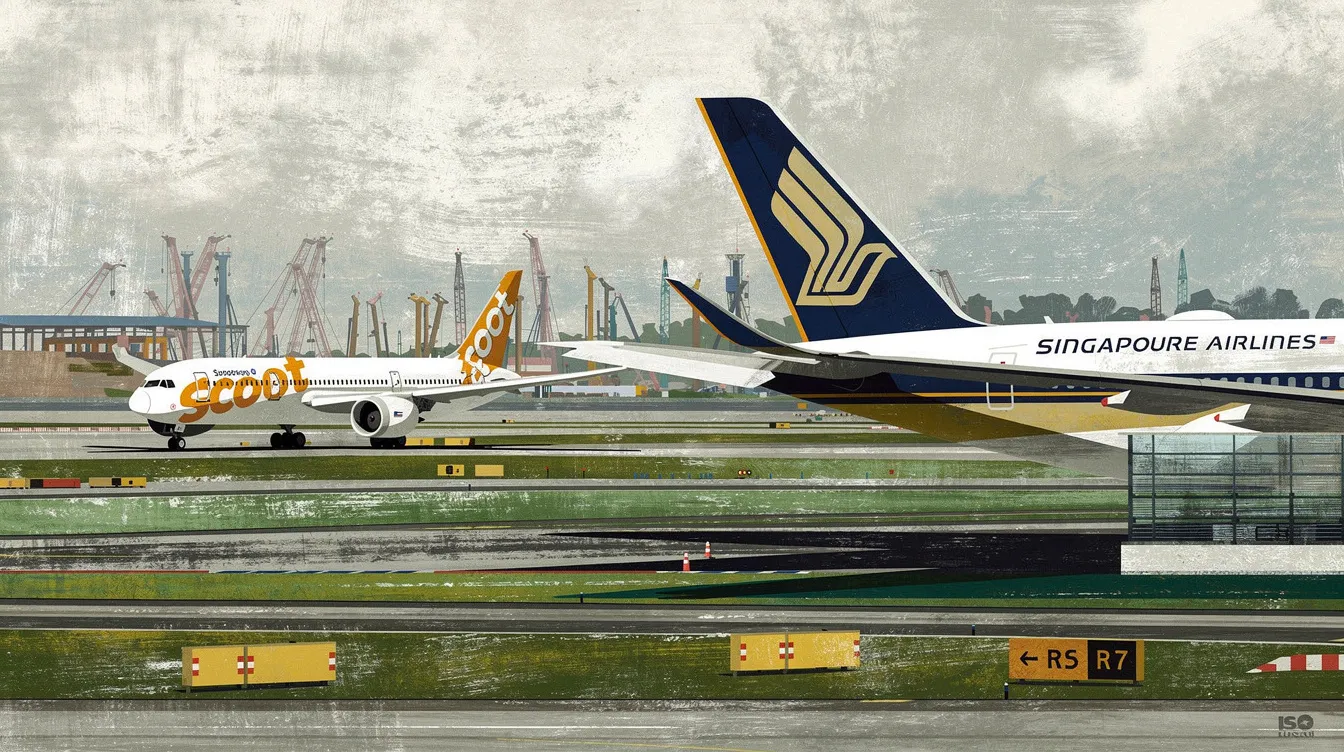
Singapore Airlines (SIA) reported a net loss of S$76 million (approximately USD 56 million) for the first quarter of FY2027, marking its first quarterly loss since the onset of the pandemic. This downturn occurred despite achieving record revenues of S$5.7 billion (about USD 4.2 billion) and carrying 10.9 million passengers during the same period.
The airline's financial results reflect broader challenges in the Asian aviation market, particularly the impact of rising fuel costs linked to ongoing geopolitical tensions in the Middle East. Analysts note that while passenger demand remains robust, with airlines restoring flight frequencies and launching new routes, the industry faces critical decisions regarding capacity deployment and sustainable growth strategies.
SIA's losses were exacerbated by a larger share of losses from its investment in Air India, which has been struggling with operational challenges. This situation highlights the complexities of international investments in the aviation sector, particularly as airlines navigate fluctuating demand and rising operational costs.
In contrast, Singaporean media outlets emphasized the importance of a strong national carrier in maintaining Singapore's status as a leading air hub. Marcelo Kaiser, chief operating officer of aviation for Aviareps, pointed out that without a robust national carrier, new airport projects in Southeast Asia may not successfully challenge established hubs like Singapore. This perspective underscores the significance of managing costs effectively to retain competitiveness in the region.
Meanwhile, Philippine Airlines (PAL) is facing its own financial challenges, reporting a net loss of $25.1 million in the first half of the year, a stark reversal from a net income of $136.7 million the previous year. This downturn has been attributed to soaring jet fuel costs amid the ongoing conflict in the Middle East, which has significantly impacted operational expenses. According to reports from Manila Times, PAL's fuel costs surged by 56.3% in the first half, accounting for nearly 40% of its operating expenses.
Philippine media outlets framed PAL's struggles within the context of broader economic pressures, emphasizing the airline's need to adjust its capacity and fare structures in response to rising costs. PAL President Richard Nuttall stated, "The Middle East conflict has created significant near-term pressure on our fuel costs, and our second-quarter results reflect that impact." This highlights a more urgent tone in the Philippines regarding the immediate economic implications of rising fuel prices on national interests.
Industry experts suggest that airlines must adapt their strategies to ensure long-term profitability. They emphasize that the challenge is not just about increasing passenger numbers but also about managing costs and optimizing capacity to ensure sustainable returns.
In response to these challenges, SIA is focusing on enhancing passenger experiences through new service offerings and partnerships, as previously reported by InsideASEAN. This approach aims to differentiate the airline in a competitive market while addressing the underlying financial pressures.
As the aviation sector continues to recover, the need for strategic planning and operational efficiency will be paramount for airlines across Asia. The ongoing situation underscores the necessity for airlines to look beyond immediate passenger demand and consider the broader economic landscape in which they operate.