Singapore
Singapore Airlines Reports Q1 Loss Amid Fuel Cost Surge, Unveils Service Enhancements
Despite a net loss of $76 million, Singapore Airlines is set to enhance passenger experiences with new offerings and partnerships.
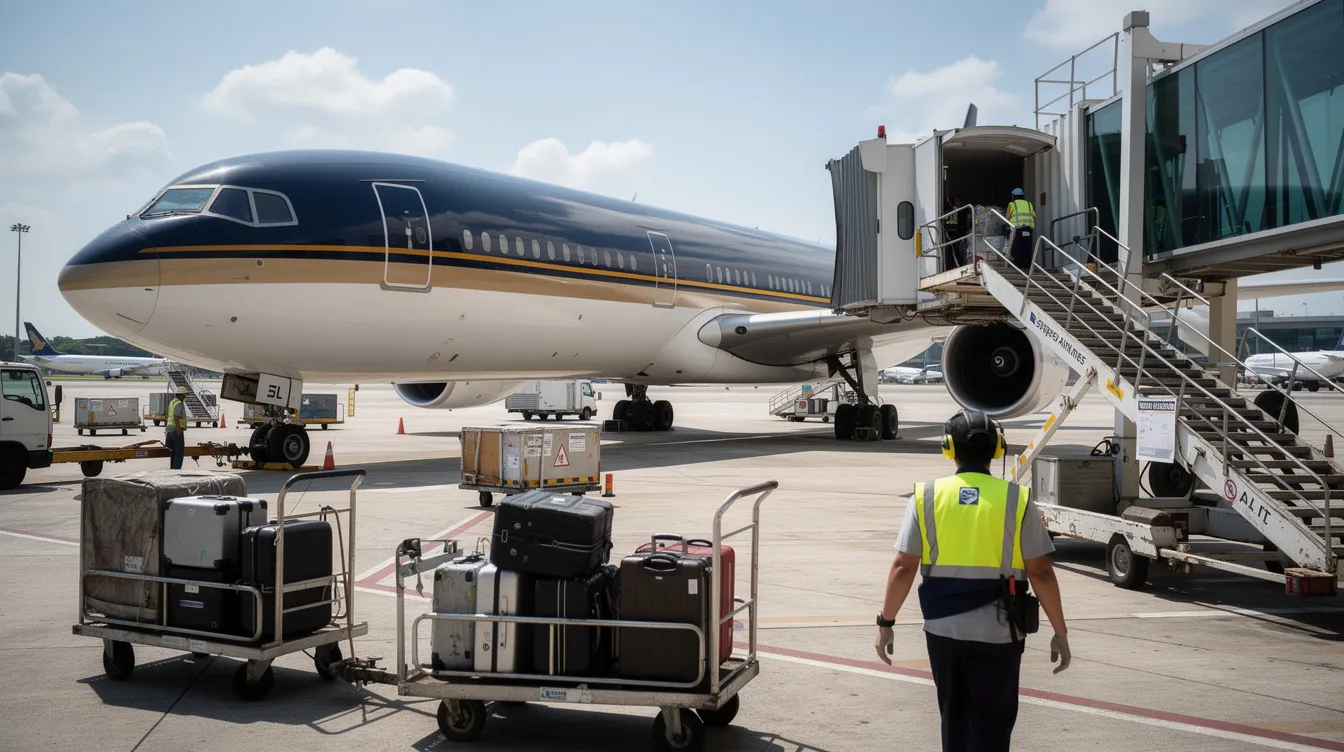
Singapore Airlines (SIA) has announced a net loss of S$76 million (approximately $56 million) for the first quarter, primarily attributed to a staggering 78.5% increase in fuel costs driven by geopolitical tensions in the Middle East. This loss contrasts sharply with a profit of S$186 million (around $138 million) in the same period last year, according to a filing with the Singapore Exchange.
Despite the financial setback, SIA achieved record revenues of S$5.7 billion (approximately $4.2 billion), marking a 19.3% increase year-on-year, bolstered by strong travel demand. Passenger revenue rose by 18.6% to S$4.6 billion (about $3.4 billion), with the airline carrying 10.9 million passengers during the quarter, a 6.3% increase from the previous year.
“Sustained elevated prices relative to pre-conflict levels have added significant cost pressure.”Singapore Airlines statement
In response to the challenging operating environment, SIA is rolling out several enhancements aimed at improving the passenger journey. These include a revamped in-flight entertainment system, upgraded dining options, and new amenity kits. Additionally, SIA has opened a new First Class SilverKris Lounge at Changi Airport Terminal 2 and refurbished lounges in Brisbane, Bangkok, and Hong Kong, with further upgrades planned for 2026.
SIA is also deepening its commercial partnerships with Air India, Malaysia Airlines, and Air China. The airline holds a 25.1% stake in Air India, which has shown progress in its transformation efforts. Future collaborations will enhance network connectivity and expand code-share arrangements, with plans to roll out these initiatives progressively by 2026.
Despite the challenges posed by rising fuel prices, SIA remains optimistic about the demand for air travel. The airline noted that while it has adjusted airfares and cargo rates to mitigate costs, these measures do not fully offset the impact of significantly higher fuel prices. SIA's operating profit fell by 73.8% to S$106 million (about $78 million), highlighting the financial strain caused by the escalating fuel costs.
“A prolonged conflict in the Middle East may also affect supply chains, global trade, and macroeconomic conditions.”Singapore Airlines statement
Geopolitical developments, particularly in the Middle East, continue to create uncertainty for the airline industry. SIA emphasized that sustained high fuel prices relative to pre-conflict levels exert significant cost pressures. The airline stated that a prolonged conflict in the Middle East may also affect supply chains, global trade, and macroeconomic conditions.
Looking ahead, SIA is committed to enhancing its product and service offerings, leveraging its diversified global network anchored by Singapore’s strategic position as an Asia-Pacific hub. The dual-brand strategy of SIA and its low-cost subsidiary Scoot provides the flexibility to adapt capacity and schedules in response to evolving demand patterns.