Philippines
Philippines Sugar Production Faces Decline Amid Weather Challenges
Raw sugar output drops significantly while refined sugar production sees modest growth, as the industry grapples with adverse weather conditions and rising input costs.
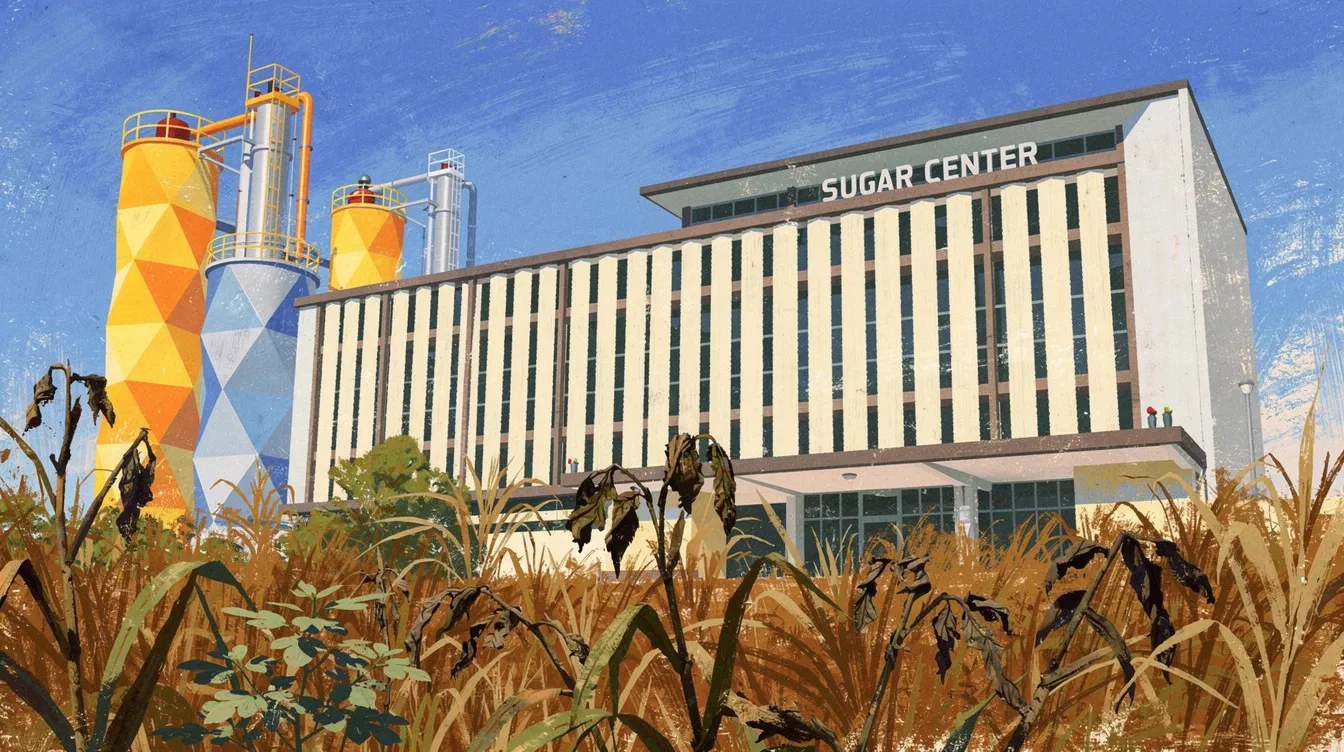
The Philippine sugar industry is currently experiencing a notable decline in raw sugar production, which has fallen by 11% to 1.85 million metric tons (MT) as of August 2, compared to 2.079 million MT during the same period last year, according to the Sugar Regulatory Authority (SRA). In contrast, refined sugar production has seen an increase of 11.6%, reaching 689,808 MT from 618,082 MT in the previous year.
Domestic demand for both raw and refined sugar has weakened, with decreases of 2.19% and 2.55%, respectively. The SRA reported that physical inventories stand at 304,840 MT for raw sugar and 387,774 MT for refined sugar, indicating a stable supply despite the production decline.
The volume of sugarcane milled has also decreased significantly, dropping by 10.96% to 23.11 million MT from 25.954 million MT a year earlier. Additionally, molasses production has declined by 7.3% to 1.085 million MT from 1.171 million MT.
“Instead of irrigating to make our sugarcane grow better, we are just irrigating for survival and waiting for the rain.”Pablo Luis Azcona, SRA Administrator
Philippine sugar exports to the United States have surged by nearly 50%, reaching 99,038 MT as of early August. The Philippines has secured an export quota of 145,235 MT raw value (MTRV) to the U.S. for fiscal year 2027, second only to the Dominican Republic. Under the U.S. tariff-rate quota system, specified quantities of sugar can enter the U.S. market at lower taxes, while shipments exceeding the quota face higher duties.
To enhance domestic production without expanding planting areas, the SRA has established the crop year from October 1, 2026, to September 30, 2027, allowing more time for crops to mature and increase sugar content. The SRA has also tightened regulations on the importation of artificial sweeteners, requiring importers to obtain clearance and pay a release fee of 25 pesos (approximately $0.45) per kilogram.
“If a drop in production happens, we have buffer stock. So retail price is not supposed to go up based on that.”Pablo Luis Azcona, SRA Administrator
Weather conditions, particularly the ongoing El Niño phenomenon, have severely impacted sugar production, especially in key regions such as Negros Occidental and Batangas. SRA Administrator Pablo Luis Azcona noted that farmers are facing crop damage due to pests and adverse weather, leading to a potential production drop of 7 to 9% for the 2026-2027 crop year. Rising prices for fertilizers and fuel, exacerbated by geopolitical unrest, have further strained production efforts.
Azcona emphasized the need for farmers to prioritize irrigation for survival rather than optimal growth, stating that they are just irrigating for survival and waiting for the rain. Despite limited budgets, the SRA is providing fertilizer assistance and converting funds from non-essential projects to support farmers.
While the SRA has assured that there will be no sugar shortage due to sufficient buffer stocks, the industry remains cautious about future supply challenges. Azcona mentioned that if a drop in production happens, there is buffer stock available, so retail prices are not supposed to go up based on that. President Ferdinand Marcos Jr. has approved a budget of 5 billion pesos (approximately $90 million) to facilitate government purchases of sugar from farmers, aimed at stabilizing the market.