Philippines
Philippines’ Retail Power Market Faces Barriers to Supplier Switching
The competition regulator says independent electricity retailers face supply constraints while some eligible customers encounter technical and contractual hurdles.
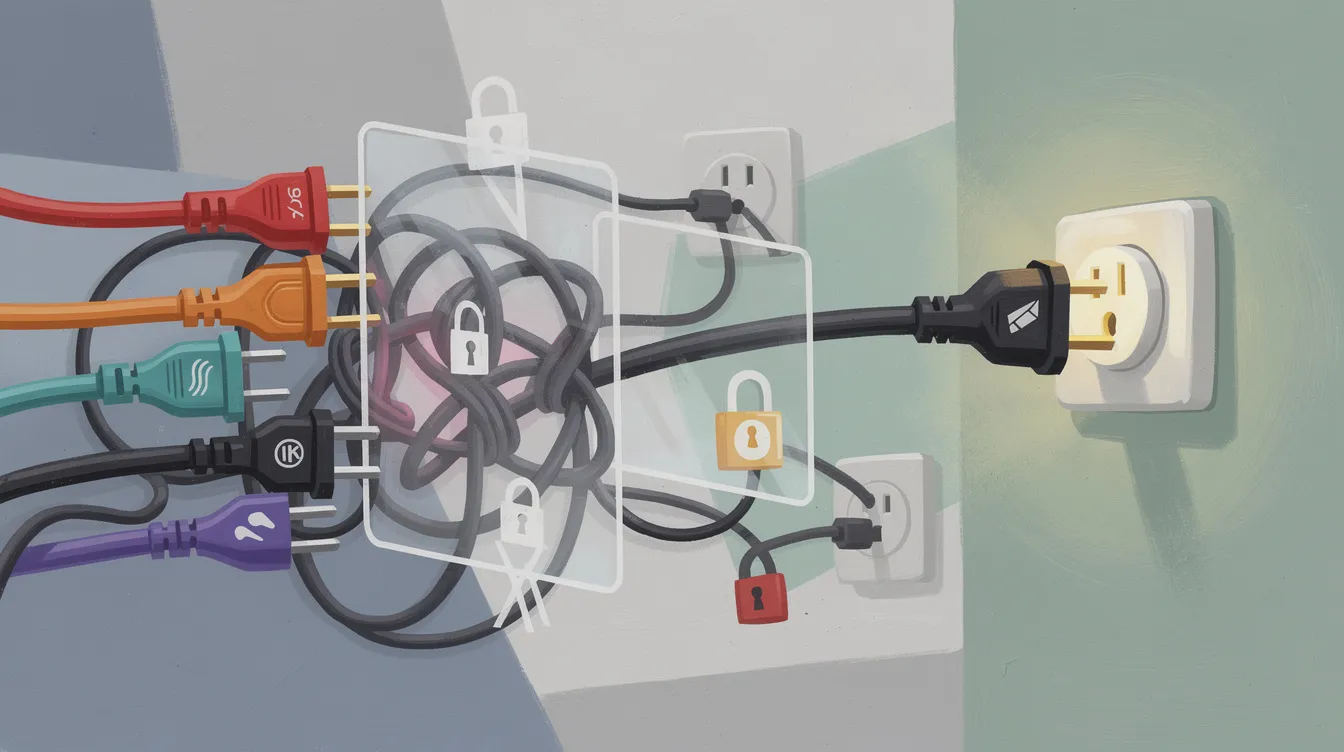
In a market study released Tuesday, the Philippine Competition Commission (PCC) identified barriers to competition in the Philippines’ retail electricity market, including supply constraints for independent retailers and obstacles that can make it harder for eligible customers to change suppliers.
The study examined the retail competition and open access (RCOA) programme, established under the Electric Power Industry Reform Act of 2001. The programme allows qualified electricity users to choose a retail electricity supplier (RES) rather than rely solely on the incumbent arrangement serving them. The PCC said its market-share and concentration analysis found the sector remained moderately concentrated.
For foreign businesses, the distinction matters because the programme’s promise of supplier choice depends on both retailers being able to secure electricity and customers being able to move between them. The PCC said independent RES—those not affiliated with incumbent generators or distribution companies—may be disadvantaged against suppliers with businesses spanning multiple stages of the power supply chain.
Supply access and affiliate relationships
According to the PCC, independent retailers may have limited access to residual supply volumes, leaving them with less ability to offer lower electricity costs. The commission’s account of the market study says generator-affiliated retailers can benefit from access to supply within their corporate groups, while independent suppliers may have to compete for what remains.
The regulator also raised concerns about vertical and horizontal integration among RES. It said this can contribute to high rates of switching between affiliated suppliers. Such a change of retailer, the PCC cautioned, does not necessarily indicate that customers are actively responding to competition in the wider market.
In a separate policy dialogue held in March, the PCC and the Independent Electricity Market Operator of the Philippines (IEMOP) discussed the study’s findings on competition and switching barriers. IEMOP operates the Wholesale Electricity Spot Market and, according to its description of its role, maintains the registry of contestable customers and facilitates supplier switching.
Customers face practical and contractual hurdles
On the demand side, the PCC said some qualified, contestable customers encounter difficulties both when first entering the programme and when switching later. It cited limited technical familiarity, delays in infrastructure deployment and substantial pre-termination fees as obstacles.
The programme is voluntary. IEMOP says eligible users can choose a supplier through RCOA, while a separate retail aggregation mechanism allows multiple end-users to combine demand to meet the 500-kilowatt threshold for market participation. The PCC’s findings suggest that formal eligibility alone may not remove the practical or contractual costs of exercising that choice.
The commission recommended setting stricter boundaries to preserve the independence of retail suppliers from parent power companies. It also proposed revisiting the 50 percent cap on affiliate sourcing and assessing how that limit affects independent retailers. A further recommendation is to reassess RES licensing capitalization requirements, which the PCC said could be adjusted to accommodate smaller independent operators.
The PCC’s proposals are recommendations from its market study; the source report does not say that the rules have been changed. For companies assessing electricity procurement, the findings point to questions around supplier access to power, the terms of customer contracts and the conditions for entering the retail market.