Philippines
Philippines' DOE Advances Coal Transition Policy Amid Energy Concerns
The Department of Energy continues consultations on a coal transition policy, addressing aging power plants and renewable energy commitments.
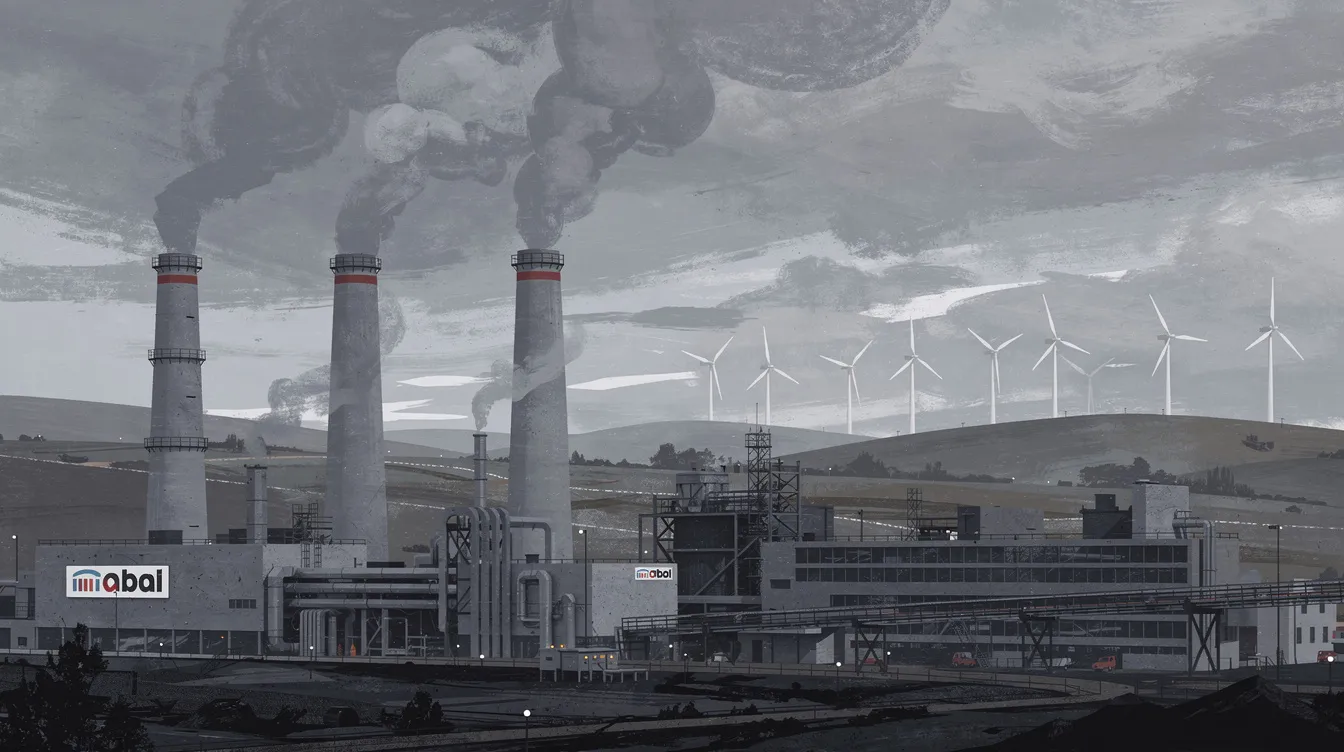
The Department of Energy (DOE) of the Philippines is actively engaging with industry stakeholders to finalize a coal transition policy aimed at addressing the challenges posed by aging coal-fired power plants and the delayed development of certain coal projects. Energy Undersecretary Rowena Guevara noted that the policy was initially slated for release in June but has been delayed as consultations continue.
As older coal plants face increasing reliability issues, including breakdowns and reduced operational capacity, there are growing concerns regarding the nation's energy security. Guevara emphasized the urgency of the situation, stating that it is necessary to ensure that the energy supply remains stable while also meeting renewable energy targets and commitments under the Paris Agreement.
In 2020, the DOE imposed a moratorium on new endorsements for greenfield coal-fired power plants, although existing projects in the pipeline were exempted. Currently, approximately 3 to 5 gigawatts (GW) of previously approved coal capacity remain unbuilt, despite some developers having commenced construction. Others, however, are still reliant on older facilities, which raises questions about the sustainability of the current energy mix.
“It is necessary to ensure that the energy supply remains stable while also meeting renewable energy targets and commitments under the Paris Agreement.”Rowena Guevara, Energy Undersecretary
The proposed transition policy may include safeguards and penalties for developers who do not meet their commitments, similar to the regulations imposed on renewable energy projects, which have defined development timelines and work plans. The DOE is considering these measures as part of its broader strategy to balance the retirement of aging coal plants with the need for reliable energy supply and adherence to environmental commitments.
Analysts and stakeholders have expressed the need for a clear framework that not only facilitates the transition away from coal but also ensures that energy security is not compromised during this significant shift. The DOE's ongoing consultations are seen as a crucial step in achieving a more sustainable energy future for the Philippines.