Philippines
Philippines Faces Payment Challenges Amid Growing Digital Commerce
As digital payments surge, businesses must enhance clarity and reliability to meet consumer expectations during peak shopping periods.
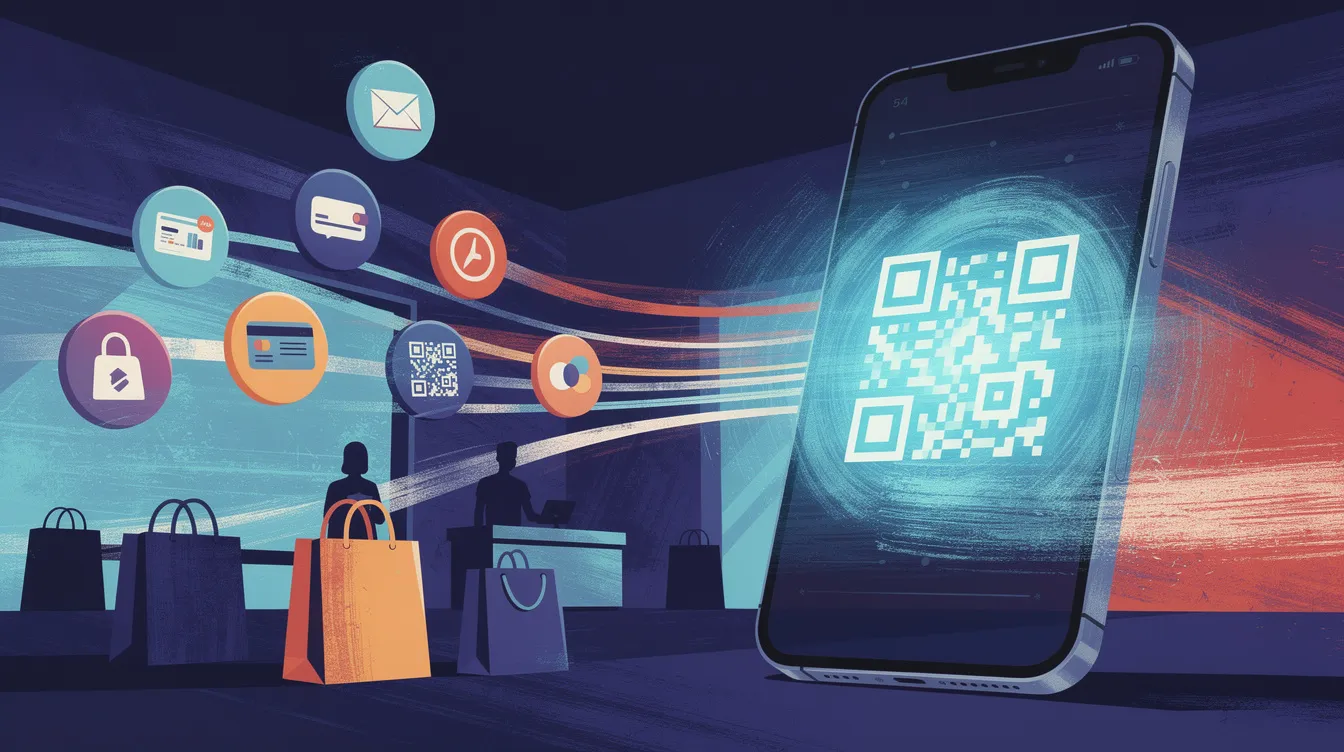
As digital commerce in the Philippines continues to expand, particularly during major shopping campaigns, businesses are increasingly challenged to provide a reliable and efficient payment experience. This is especially crucial as Filipino consumers shift towards mobile-led payment methods. According to IMARC, the country’s digital payments market reached $616.3 million in 2025, driven by the growth of e-commerce and heightened adoption of e-wallets.
The demand for clarity at checkout has become paramount. Customers expect immediate confirmation of payment success and order status, with any ambiguity potentially disrupting transactions. Eng Sheng Guan, CEO of Fiuu, noted that the need for clear payment outcomes is critical, particularly during periods of heightened consumer activity. He emphasized that as commerce becomes faster, it is increasingly important for payment outcomes to be immediate and easy to understand.
Historically, businesses focused on expanding payment acceptance to reduce reliance on cash. However, as digital payments become ingrained in daily transactions, expectations are shifting from merely having payment options available to ensuring those options are clear and consistent. This shift is particularly relevant in the context of mobile commerce, where the transaction journey can occur rapidly, leaving little room for uncertainty.
During peak shopping periods, such as midyear promotions and year-end sales, the pressure on payment systems intensifies. Weaknesses that may have been manageable during normal trading can become glaringly apparent when customer demand surges. The implications of unclear transaction outcomes can be significant, leading to abandoned carts and increased customer service inquiries.
Furthermore, a poor payment experience can deter customers from using the same digital channel in the future, while a dependable experience can foster long-term loyalty. Guan highlighted the importance of payment resilience, stating that businesses must also be able to identify and manage issues without creating unnecessary friction.
As the digital payment landscape evolves, the next phase of commerce in the Philippines will depend not only on increasing the number of users but also on transforming initial adoption into habitual usage. Companies that prioritize clear and reliable payment experiences, especially during high-demand periods, are likely to enhance customer relationships and sustain growth in an increasingly mobile-first economy.