Philippines
Philippine Digital Commerce Faces Checkout Challenges
Despite a surge in digital payments, Filipino merchants encounter significant transaction failures, impacting sales and customer relationships.
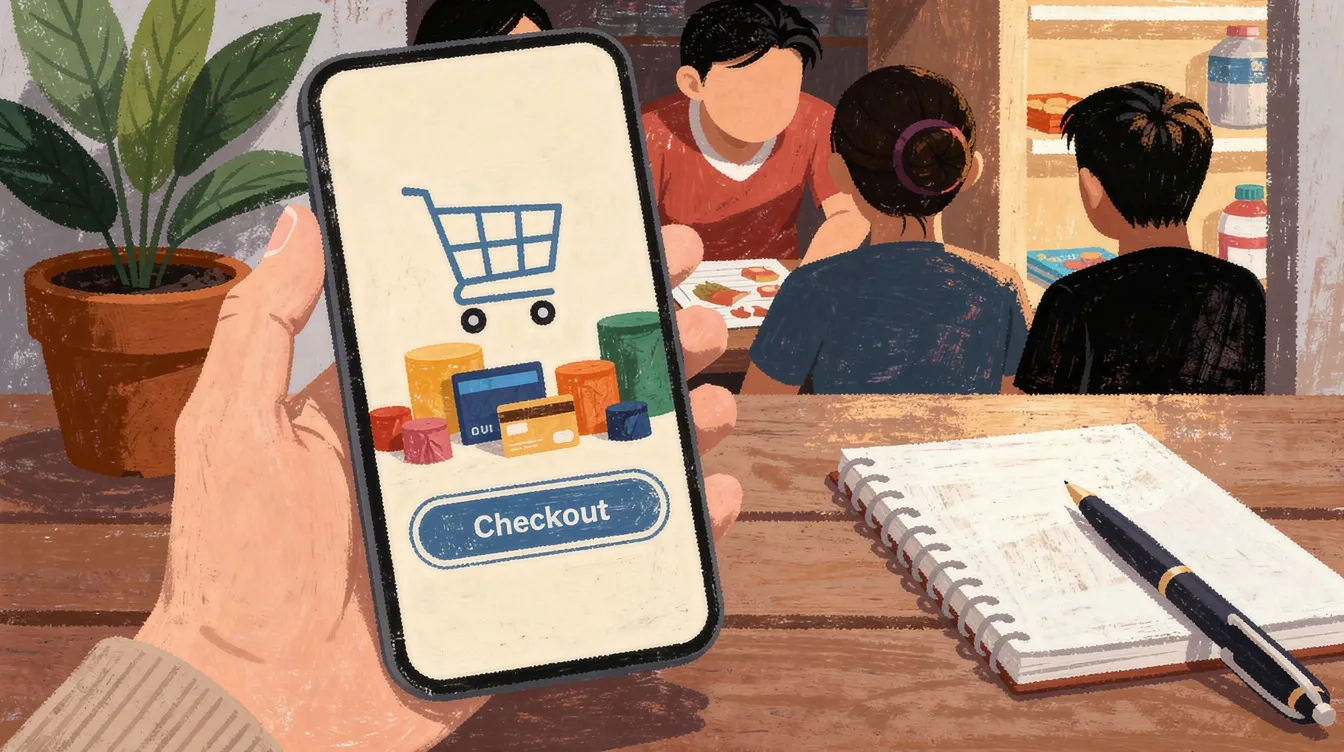
As the clock approaches midnight on payday, a familiar scenario unfolds for many Filipino consumers: after a week of comparing prices and reading reviews, they are ready to check out, only to encounter a payment failure. This experience, which is not uncommon, underscores a significant issue within the burgeoning digital commerce landscape in the Philippines.
According to a report by the Bangko Sentral ng Pilipinas (BSP), digital payments accounted for 57.4 percent of retail transaction volume in 2024, up from 52.8 percent the previous year. The BSP aims to increase this figure to between 60 and 70 percent by 2028, aided by initiatives to reduce transfer fees. However, the rising adoption of digital payments is marred by frequent transaction failures that leave merchants unaware of lost sales opportunities.
These failures are not limited to small businesses; they affect merchants across various sectors, from local online shops to large enterprises. The consequences of these failures extend beyond immediate sales losses. Merchants often lack insights into the reasons behind payment failures, which can lead to a breakdown in customer relationships. For instance, if a customer is met with a simple notification that their payment has failed, without further guidance, they may abandon the transaction altogether.
Ina Gatan, head of Commercial at Xendit Philippines, emphasizes that payments are often viewed merely as a utility rather than a critical component of customer relationships. She notes that payments touch nearly every relationship a business has and, when treated seriously, are not simply a back-office function but a business driver. This perspective is crucial as businesses strive to improve customer experience and retention.
“Payments touch nearly every relationship a business has. Treated seriously, they are not simply a back-office function but a business driver.”Ina Gatan, head of Commercial at Xendit Philippines
Moreover, the inefficiencies in payment processing can hinder operational capabilities. When transactions lack clarity, customer support teams struggle to assist effectively, and reconciliation processes can become prolonged. This inefficiency not only frustrates customers but also affects suppliers and partners who rely on timely payments.
Analysts have pointed out that clean and transparent payment flows can enhance a business's credibility, particularly when seeking investment. Payment data serves as a vital indicator of a company's performance, revealing conversion rates and customer retention metrics. As Filipino businesses increasingly look to expand internationally, robust payment systems will be essential for facilitating cross-border transactions.
The situation presents an opportunity for improvement. As Filipino consumers have shown a willingness to embrace services that respect their time, businesses must prioritize enhancing their payment systems. This includes not only evaluating costs but also understanding which customers they can retain and which partners they can strengthen through efficient payment processes.
In conclusion, while the Philippine digital commerce landscape is evolving rapidly, the challenges at checkout must be addressed to ensure sustained growth.