Philippines
Filipino Workers in Lebanon Face Dilemma Amid Rising Tensions
As security risks escalate in Lebanon, many Overseas Filipino Workers hesitate to return home, fearing job loss and uncertain futures.
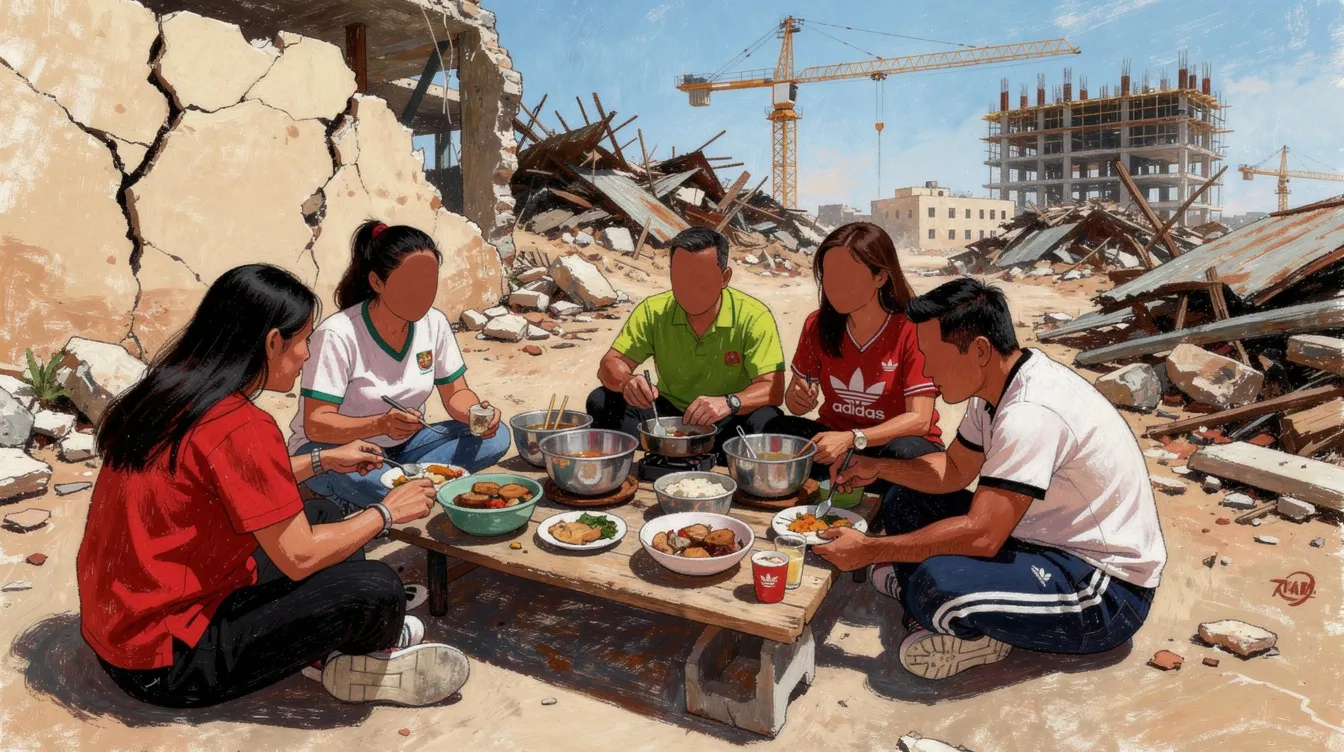
As tensions rise in Lebanon due to ongoing conflicts, many Overseas Filipino Workers (OFWs) are grappling with the difficult decision of whether to return home to the Philippines or remain in their host country. This dilemma is compounded by fears that leaving could jeopardize their employment opportunities abroad.
According to Myra Aragon, co-founder of the charity organization Tres Marias, the situation for OFWs in Lebanon remains stable despite the heightened military tensions. She indicated that there is no need to worry about physical safety, but the future and livelihood of many OFWs are a concern if they are forced to return to the Philippines. The organization continues to provide support through food distribution, professional skills training, and job opportunities to help alleviate the burdens faced by Filipino workers in Lebanon.
The Philippine Embassy in Beirut has also stepped in, offering welfare assistance to those in need. The embassy has urged OFWs to apply for support through a Google Form, ensuring that they have access to essential resources during this challenging time. As reported by Radyo Pilipinas, 19 OFWs and three minors were recently repatriated, receiving financial assistance and reintegration services from the Department of Migrant Workers (DMW).
“There is no need to worry about physical safety, but the future and livelihood of many OFWs are a concern if they are forced to return to the Philippines.”Myra Aragon, co-founder of Tres Marias
Statistics from the International Labour Organization (ILO) reveal that from October 2016 to September 2019, Filipino migrant workers incurred significant recruitment costs to secure employment abroad. Despite these costs, many OFWs are primarily engaged in low- to medium-skill occupations, with domestic service being the most prevalent sector.
With the ongoing Israel-Hamas conflict affecting the region, the Philippine government has facilitated the return of OFWs and their dependents from Lebanon. The DMW, alongside other government agencies, has provided comprehensive support to these returnees, including financial assistance and skills training vouchers from the Technical Education and Skills Development Authority (TESDA).
As the situation in Lebanon remains precarious, the community of Filipino workers continues to rely on each other for support, embodying the spirit of bayanihan, or communal unity. While the Philippine government and various organizations strive to provide assistance, the long-term implications of these tensions on the livelihoods of OFWs remain uncertain.