Philippines
OFW Remittances Projected to Remain Strong Amid Global Economic Challenges
Maybank reports that remittances from Overseas Filipino Workers (OFWs) are expected to maintain resilience despite ongoing global uncertainties.
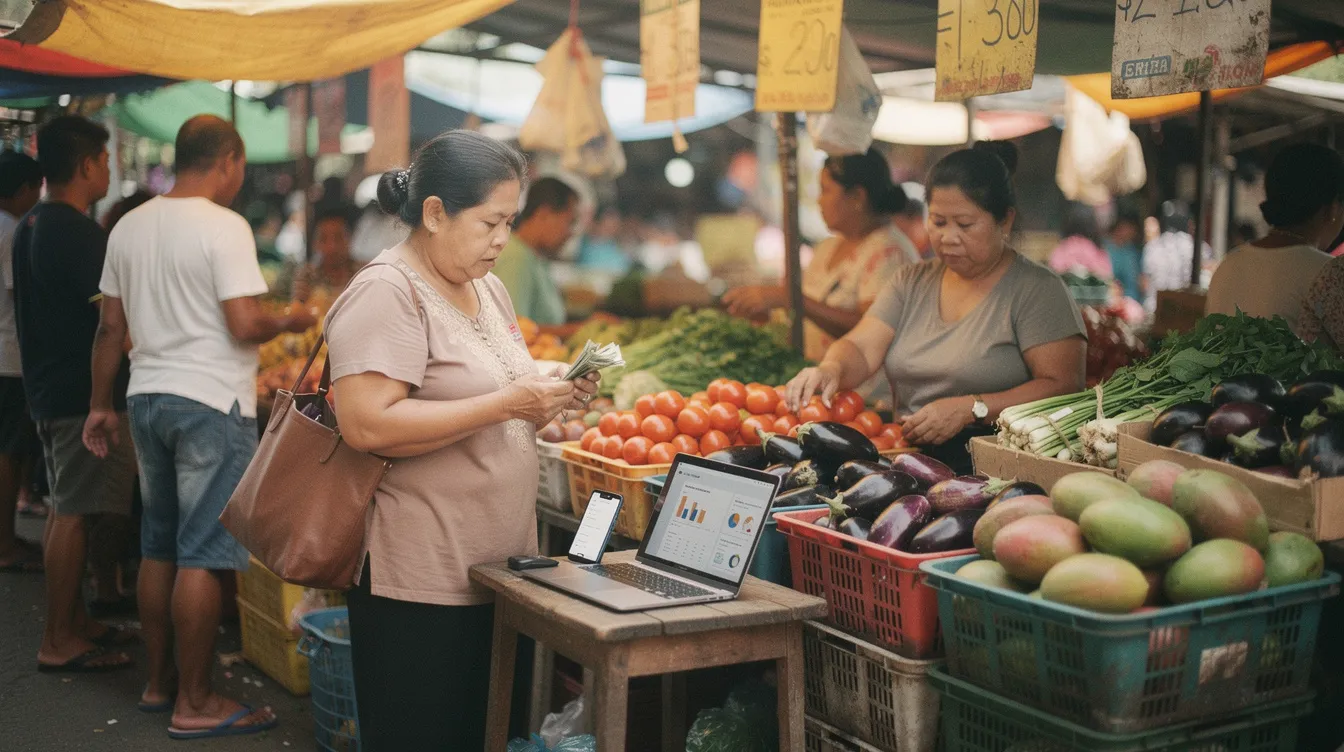
Despite global economic uncertainties, remittances from Overseas Filipino Workers (OFWs) are anticipated to remain resilient, according to a recent report by Maybank. The bank's analysis suggests that remittances will continue to be vital for many families in the Philippines, contributing significantly to the country's economy.
Maybank's report highlights that the remittance flow is expected to remain stable, bolstered by the ongoing demand for Filipino workers abroad. This aligns with insights from the Manila Times, which noted that remittance inflows are particularly crucial as the Philippine peso faces pressure due to rising global energy prices and geopolitical tensions, especially related to the ongoing conflict in the Middle East.
According to Maybank's economic research, the resilience of remittances can be attributed to several factors, including the continued high demand for labor in various sectors internationally. The report notes that despite potential economic slowdowns in host countries, OFWs are committed to supporting their families back home. This commitment is echoed in the Manila Times, which emphasized that many OFWs are likely to prioritize remittances even amid economic pressures, as these funds are essential for family welfare.
Furthermore, the Bangko Sentral ng Pilipinas (BSP) has previously indicated that remittances play a significant role in stabilizing the Philippine economy, particularly during periods of inflation and external economic pressures. BSP Governor Eli Remolona Jr. has emphasized the importance of these funds in sustaining consumer spending and overall economic growth. The Manila Times highlighted that the peso's expected depreciation could lead to increased remittance values in peso terms, further supporting the local economy.
As the global economic landscape continues to evolve, the reliance on OFW remittances remains a critical aspect of the Philippines' economic framework. Analysts suggest that maintaining this flow of funds will be essential for the country's financial stability in the coming years. While Maybank's report remains optimistic about remittance stability, the Manila Times cautioned that external factors, such as geopolitical tensions and fluctuating oil prices, could impact the overall economic environment, potentially affecting the ability of OFWs to send money home.
Indonesian coverage of the remittance situation has stressed the broader implications of these funds for national economic resilience, while Philippine outlets have framed it more in terms of immediate family support and the peso's vulnerability. This divergence highlights differing national priorities in the context of global economic challenges.