Philippines
Filipino Consumers Navigate AI Trust Issues in Telecommunications
As AI integration in customer service grows, Filipinos express concerns over data security and service reliability.
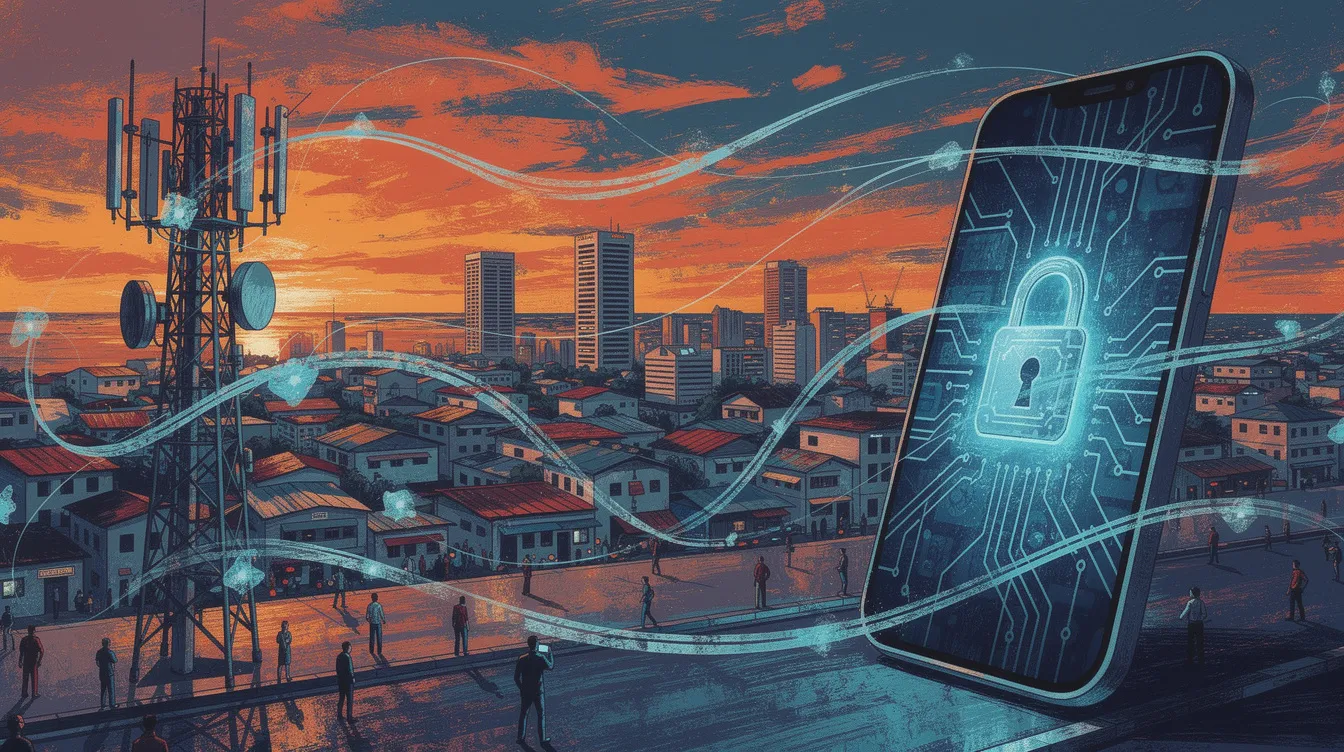
The integration of artificial intelligence (AI) into customer service within the telecommunications sector is rapidly expanding in the Philippines. According to Twilio's 2026 Customer Insights Series, AI agents currently manage 46 percent of customer service conversations, with expectations to rise to 61 percent by 2027. However, this shift is accompanied by significant consumer concerns regarding data privacy and the reliability of these systems.
Filipino consumers exhibit a complex relationship with AI. While 81 percent have interacted with AI service tools and 79 percent believe that customer service bots have improved over the past year, a phenomenon known as "AI amnesia" is causing frustration. This term describes the failure of AI systems to remember previous interactions, forcing customers to repeat information during automated conversations. Twilio reports that 73 percent of consumers have experienced this issue, creating a disconnect between business expectations and customer experiences.
“If a customer is thinking that the AI is going to give them a personalized response, unless you've connected it to your data warehouse or your customer memory layer, it's very difficult to personalize the response.”Thomas Wyatt, Chief Operating Officer, Twilio
Thomas Wyatt, chief operating officer of Twilio, emphasized the need for companies to connect AI systems with customer data to enhance personalization. He noted that many businesses believe their AI can recognize returning customers and access their history, yet 73 percent of consumers report having to repeat information. This discrepancy poses a challenge in a market where trust is paramount. Wyatt stated that if a customer expects a personalized response from AI, it is difficult to achieve unless the system is connected to the company's data warehouse or customer memory layer.
The issue of trust is particularly critical in the Philippines, where a recent GSMA report highlighted that 52 percent of Filipinos have been scammed at least once, which is higher than the ASEAN average. The country's digital economy relies heavily on trust, and the introduction of AI into this landscape must be handled with care. Manit Parikh, founder of The Binary Holdings, pointed out that the upcoming AI law in the Philippines may leave many everyday AI applications outside its safety checks, further complicating consumer confidence.
Despite these challenges, there remains a strong appetite for AI among Filipino consumers. A significant majority are comfortable allowing AI to handle routine tasks such as scheduling appointments (89 percent) and making dinner reservations (87 percent). However, trust diminishes when it comes to sensitive transactions, with only 61 percent willing to let AI process payments and even fewer for loan applications and medical inquiries.
“The Philippines’ digital economy depends on trust. Our latest evidence shows that trust is being eroded faster than it is being rebuilt.”Julian Gorman, Head of Asia-Pacific, GSMA
Moreover, transparency is becoming increasingly important. The Twilio study found that 73 percent of consumers want brands to disclose upfront when they are interacting with AI, yet only 26 percent of organizations do so. This lack of transparency can exacerbate trust issues, especially in a market where consumers expect brands to handle their data responsibly.
As telecommunications companies in the Philippines continue to integrate AI into their services, the focus must shift towards establishing trust through transparency and reliability. By addressing these concerns, operators can create a more favorable environment for AI adoption, ultimately benefiting both consumers and businesses.