Myanmar
Thanlyin Oil Refinery Reopens: Myanmar's Push for Fuel Independence
The Thanlyin Oil Refinery resumes operations to reduce reliance on fuel imports, with plans to significantly boost domestic production capacity.
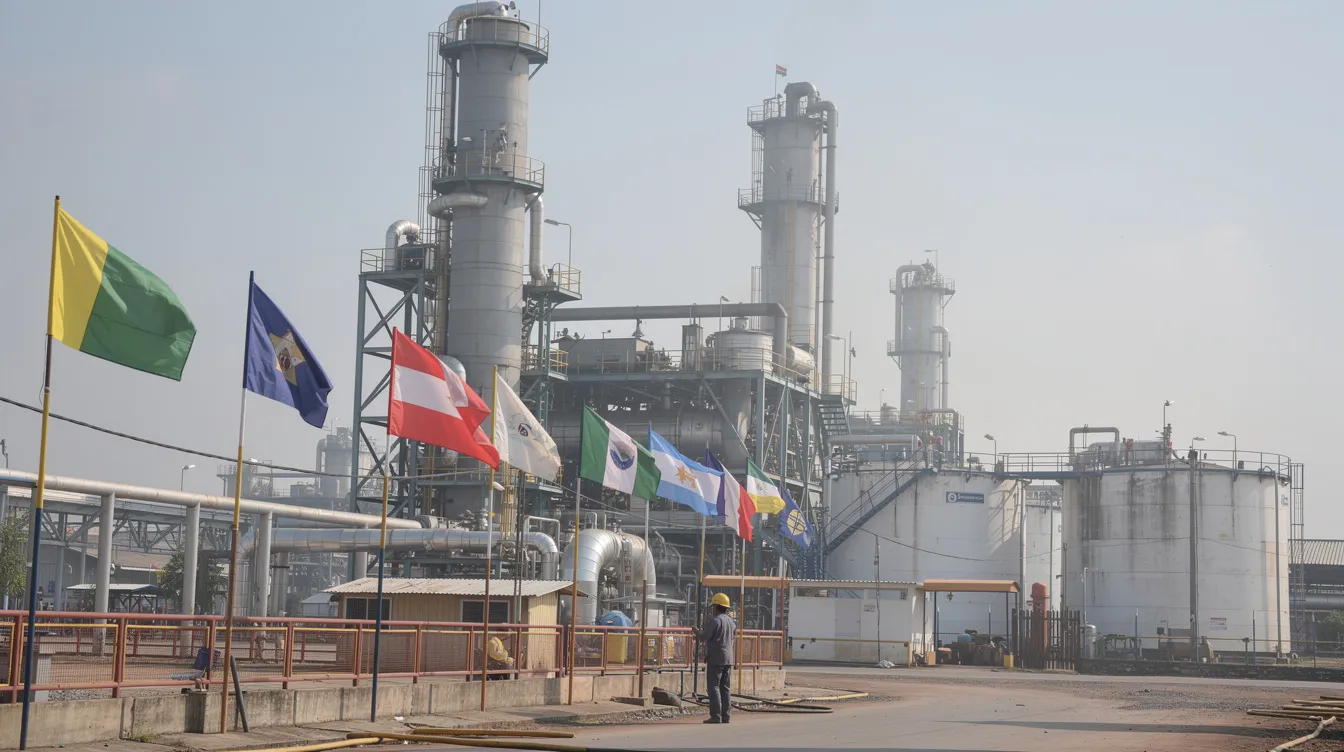
Myanmar's Thanlyin Oil Refinery, located about nine miles (14 km) southeast of Yangon, resumed operations on October 14, marking its first activity in nearly a decade. The reopening is part of a broader initiative by the military-led government to reduce the country’s reliance on imported fuels, particularly gasoline and jet fuel, which have become increasingly costly and subject to international sanctions.
At the reopening ceremony, regime leader Min Aung Hlaing said the refinery is a vital step towards reducing foreign currency expenditure, supplying domestic energy needs and sustaining long-term economic benefits. The facility is expected to initially process 500,000 tons of crude oil annually, with plans for expansion to a total capacity of three million tons by 2028, according to the Ministry of Electricity and Energy (MoEE).
Myanmar currently imports approximately five million tons of fuel annually, costing over $5 billion, according to the regime’s Ministry of Information. The MoEE estimates that the Thanlyin refinery could eventually meet about 43% of the country's total petroleum product demand. Domestic production currently satisfies about 3% of demand.
“Min Aung Hlaing said the refinery is a vital step towards reducing foreign currency expenditure, supplying domestic energy needs and sustaining long-term economic benefits.”Min Aung Hlaing, regime leader
The refinery was shut down in 2017 due to aging infrastructure and inadequate crude oil supplies. The facility, originally built in 1955, has undergone modernization efforts to improve its operational efficiency. Its reopening is part of the regime’s efforts to reduce dependence on imported jet fuel, which is vulnerable to international sanctions and foreign currency shortages.
Recent data from the regime-controlled Myanmar Port Authority indicates a dramatic increase in jet fuel imports, which rose from 64,562 tons in 2024 to 140,306 tons in 2025, reflecting a 117% increase. This surge underscores the military's growing dependence on aviation fuel for its operations, which have intensified amid ongoing conflicts within the country.
While the MoEE itself is not under sanctions, the Myanma Oil and Gas Enterprise (MOGE), which is part of the military's energy strategy, has faced restrictions from the U.S., EU, and Switzerland since the military coup in February 2021. These sanctions have complicated the regime's ability to secure foreign currency for fuel imports, making the reopening of the Thanlyin refinery a critical component of its energy strategy.