Myanmar
Interra Exits Myanmar Oil Project Amid Sanctions Pressure
Singapore-based Interra has sold its stake in a Myanmar oil project to a Chinese-linked firm following international sanctions.
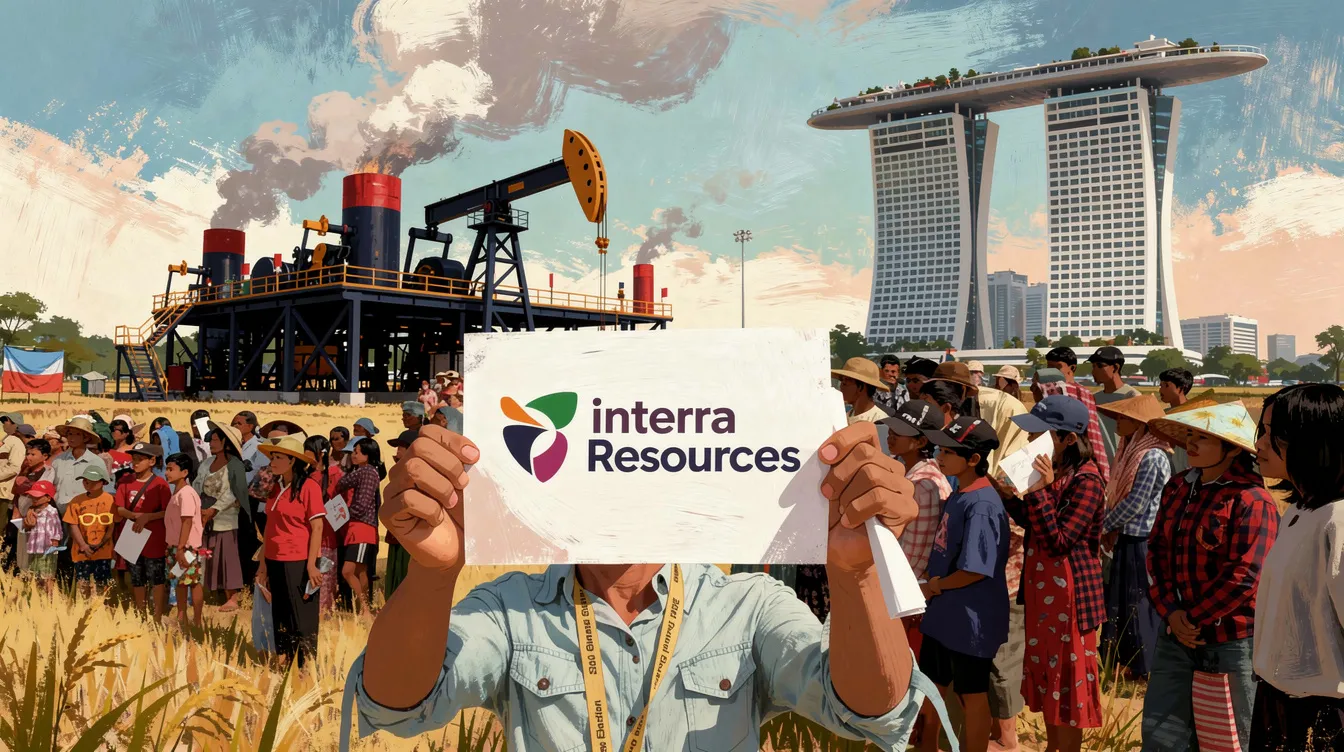
In a significant development within Myanmar's oil sector, Singapore-based Interra Resources has divested its stake in an oil project, transferring ownership to a firm linked to Chinese interests. This decision comes in the wake of increasing scrutiny and pressure from international sanctions aimed at companies operating in Myanmar.
Interra was previously accused of undermining these sanctions by allegedly supplying millions of barrels of domestically produced oil to the military-controlled government, raising concerns about the implications for human rights and governance in the country. According to reporting from Myanmar Now, the company faced mounting pressure from various international entities to cease operations that could be seen as supporting the military regime.
“The exit of companies like Interra reflects a broader trend of divestment from Myanmar as international pressure mounts on the military government.”Analysts at Myanmar Now
The sale of Interra's stake underscores the challenges faced by foreign companies in Myanmar, particularly those involved in sectors like oil and gas, which are critical to the military's revenue streams. Analysts have pointed out that the exit of companies like Interra reflects a broader trend of divestment from Myanmar as international pressure mounts on the military government.
As the geopolitical landscape continues to evolve, the implications of such exits for Myanmar's economy and its relationships with foreign investors remain uncertain. The involvement of Chinese-linked firms in acquiring these stakes may also indicate a shift in the dynamics of foreign investment in Myanmar, as companies from neighboring countries may be more willing to engage with the military government.