Myanmar
Myanmar's Property Market Surges Amid Economic Turmoil and New Tax Regulations
As Myanmar's military regime implements stricter tax measures, the residential property market experiences rapid growth, with prices soaring and demand for rentals rising sharply.
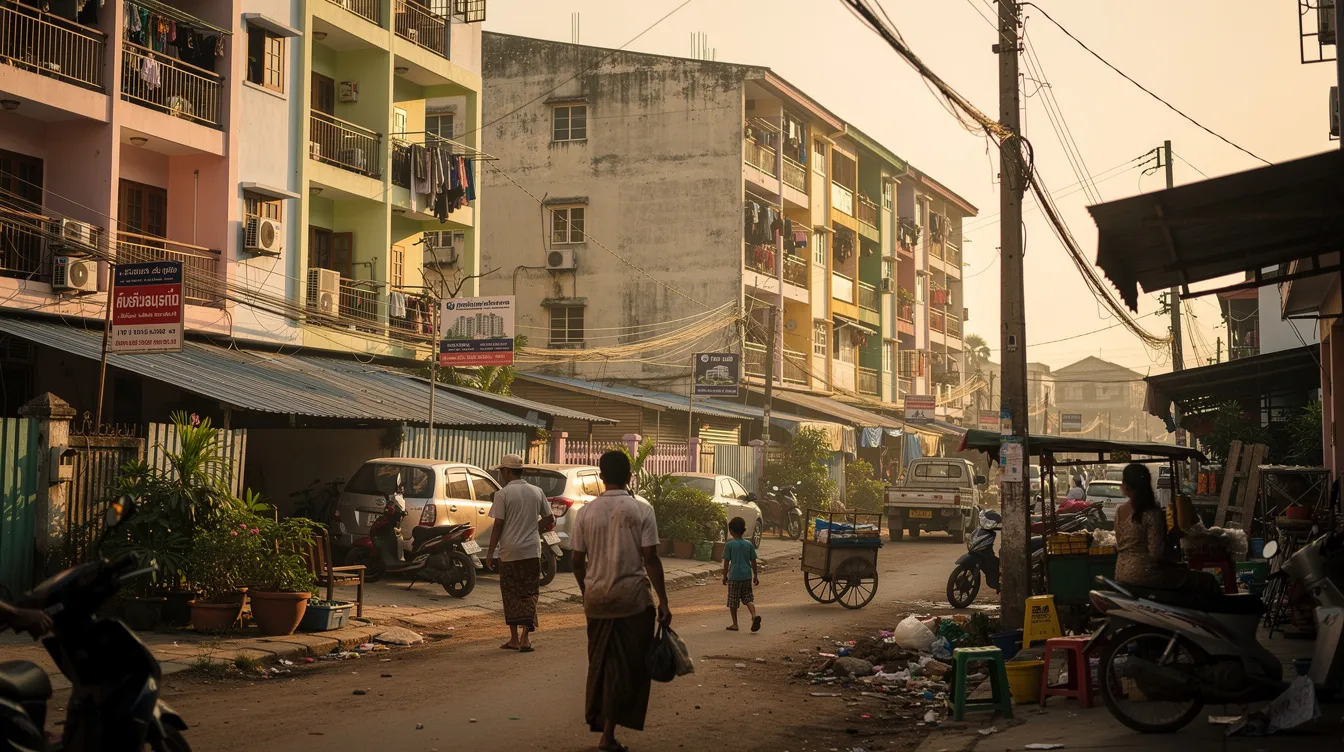
Myanmar's residential property market has boomed since the military coup in February 2021. This boom comes amid rising inflation and a shift in investment strategies among locals, who are increasingly turning to real estate as a more stable asset compared to traditional investments like gold.
Moe Myint, a property buyer in Yangon, Myanmar's commercial capital, said they used to invest in gold but have found that property is less vulnerable to price swings in Myanmar, leading them to stay in real estate now. This sentiment reflects a broader trend where individuals are seeking to safeguard their wealth through tangible assets.
However, uncertainties have grown due to stricter tax regulations imposed by the military regime. As of September 1, sellers are required to present tax documents showing a profit tax on their earnings from property sales, a significant shift from previous practices where buyers primarily bore the tax burden.
As a result of these new regulations, the dynamics of property transactions are changing. Buyers are now required to ensure that sellers have paid their taxes on profits before they can transfer ownership. This has led to apprehensions about the overall health of the property market, with some analysts warning that if the situation worsens, it could lead to a slowdown in transactions.
A financial market expert emphasized that the property market's health should be assessed based on actual sales, demand, and liquidity rather than just declared prices, indicating that discrepancies between listed prices and actual selling prices could suggest underlying market instability.
In addition to the regulatory changes, domestic migration has significantly impacted the rental market. As people from regions such as Sagaing, Mandalay, and Rakhine move to Yangon, rental prices have surged. A senior estate agent reported that previously, a 12ft by 50ft higher floor in downtown Yangon would have been rented for around K350,000 but it is now nearly K650,000 at present, climbing up almost double over two years.
Furthermore, the demand for rental properties remains high, with tenants often waiting for available rooms. The price of land in areas such as around Inya Lake and the Hlaing and Kamayut townships along Pyay Road has also surged, with land prices rising from around K1 million to nearly K1.8 million per square foot, according to real estate sources.
The rapid rise in property prices has been attributed to a combination of factors including inflation, increased demand for housing, and the perceived stability of real estate compared to other investment avenues. However, as the military government enforces stricter tax measures, those involved in the market face a landscape marked by regulatory changes and uncertainty.