Myanmar
Myanmar Raises 2026-27 Military Budget as Deficit Reaches Record
A supplementary allocation lifts military spending to 10.533 trillion kyat, while separate figures from the finance ministry put the revised national deficit above 11 trillion kyat.
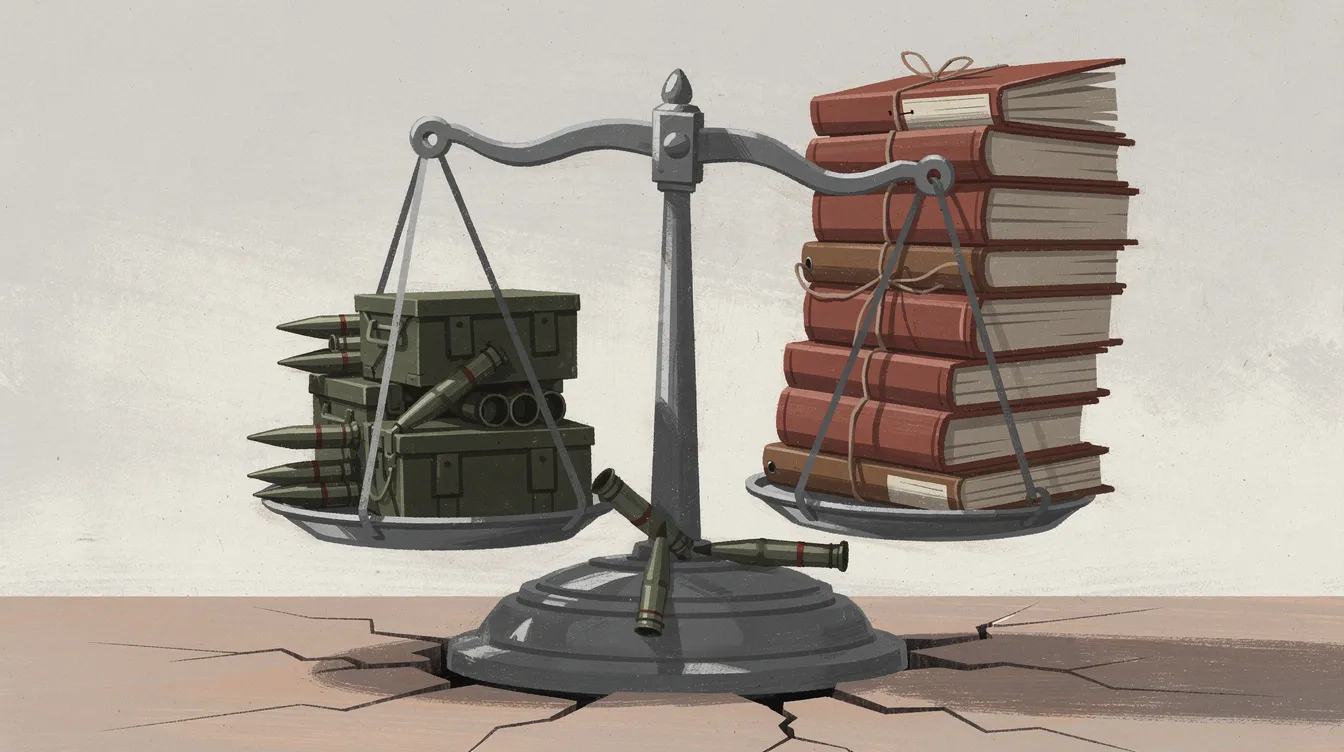
Myanmar’s military spending for the 2026-27 fiscal year has risen to 10.533 trillion kyat (about US$2.8 billion) after a supplementary allocation of 2.58 trillion kyat (about US$704 million), Myanmar Now reported after reviewing a budget submitted to the military-controlled Union Parliament on November 5. The outlet said the revised figure is nearly one-fifth of public expenditure.
The increase comes as the military authorities face a widening budget gap. Deputy Finance and Revenue Minister Daw Than Than Lin told a parliamentary session on October 16 that the projected deficit had risen from an initial estimate of 9.015 trillion kyat to 11.419 trillion kyat after requests for additional appropriations, according to Mon News. The outlet reported that the revised deficit was a record.
A separate account by DVB, citing Deputy Finance and Tax Minister U Han Win Aung, put the 2026-27 deficit at 8.985 trillion kyat, based on the revenue and expenditure schedules in the Union budget law. The figures differ from the revised estimate reported by Mon News, which includes additional appropriations. The available reports do not reconcile the two totals.
Revenue claims and borrowing plans
U Han Win Aung told lawmakers that Union tax receipts in 2025-26 reached 15.173 trillion kyat, against a revised target of 14.555 trillion kyat, DVB reported. He also said tax receipts collected by the Finance and Tax Ministry were about three times their 2020-21 level. These are figures presented by the ministry; the reports do not provide an independent audit of the claims.
Mon News reported that the military authorities approved plans to borrow more than 2.1 trillion kyat directly from the Central Bank of Myanmar to help cover the deficit. It also described the administration as facing constraints on foreign-currency access and international banking links following sanctions. The report quoted an unnamed financial expert on the effects of those restrictions, but did not identify the expert.
For foreign businesses and traders, the budget figures offer a view of the state’s competing fiscal demands, but the reports do not quantify how the additional military allocation will affect particular taxes, imports or border-trade rules. Myanmar’s cross-border commerce has also been disrupted by conflict, while the sources here do not provide a breakdown of the supplementary spending by programme or procurement category.