Myanmar
Arakan State Faces Food Security Crisis After Historic Flooding
Severe monsoon flooding has devastated agricultural lands in Arakan State, leaving farmers in urgent need of assistance.
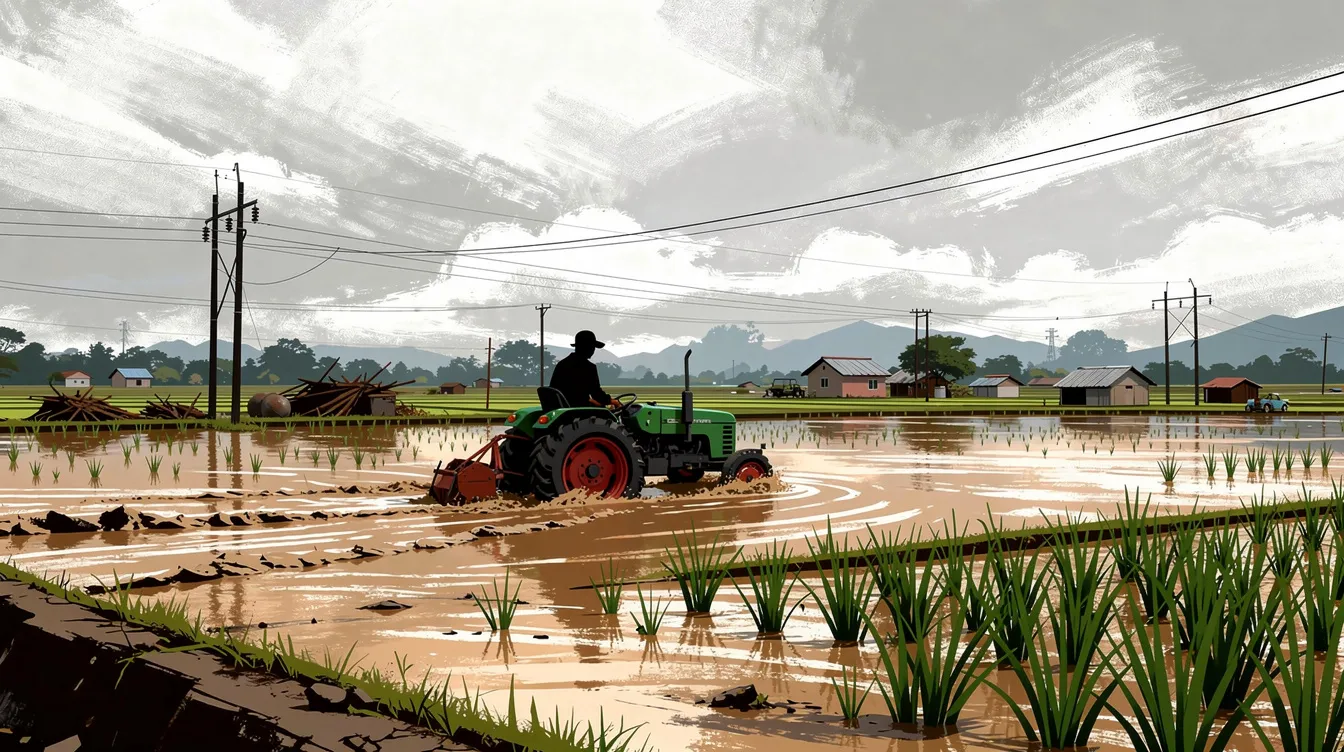
Tens of thousands of acres of farmland across at least 11 townships in Arakan State have been severely impacted by unprecedented monsoon flooding, which occurred from July 6 to July 13. This flooding, described by local residents and humanitarian workers as the worst in nearly two decades, submerged newly planted paddy fields during the critical planting season, leading to significant agricultural losses and urgent humanitarian needs.
The torrential rains not only destroyed crops but also contaminated drinking water sources and caused severe riverbank erosion, further displacing communities. In Kyauktaw Township, approximately 40 miles (64 km) northeast of the state capital, Sittwe, farmers reported that over 3,000 acres of farmland were damaged in a single river valley. Local farmer Maung Kyaw Than from Pan Hpyar Chaung village noted that they have to plow and sow again and that many farmers are now using the rice they kept for food.
As the monsoon planting window closes, farmers are struggling to replenish their seed supplies, which have been ruined or depleted. Many are resorting to planting rice reserves originally intended for family consumption, raising concerns about food security in the region. Local aid networks have warned that without immediate interventions—such as the distribution of high-yield seed rice and direct financial support—rural farming households may face multi-year food insecurity.
“We have to plow and sow again. Many farmers are now using the rice they kept for food.”Maung Kyaw Than, farmer from Pan Hpyar Chaung village
The Arakan Army (AA), which exerts control over 14 of Arakan State's 17 townships, has not yet released an official statement regarding long-term agricultural aid. However, during a virtual meeting on July 23, AA Commander-in-Chief Twan Mrat Naing discussed relief efforts with the Steering Council for the Emergence of a Federal Democratic Union (SCEF), Myanmar’s leading resistance coalition. The National Unity Government (NUG) has committed initial emergency funding for regional flood relief, with both parties agreeing to collaborate on post-flood rehabilitation efforts for affected communities.
Analysts have indicated that the flooding's impact on agriculture may have lasting effects on food security in Arakan State, a region already vulnerable due to ongoing conflict and economic instability. The World Food Programme has previously highlighted the fragility of Myanmar's recovery efforts, indicating that the current crisis could exacerbate existing challenges faced by rural populations.