Malaysia
NXP Semiconductors Commences Construction of New Factory in Petaling Jaya
The Dutch semiconductor giant NXP Semiconductors has begun building a new facility in Malaysia, aiming to enhance its production capabilities amid growing demand.
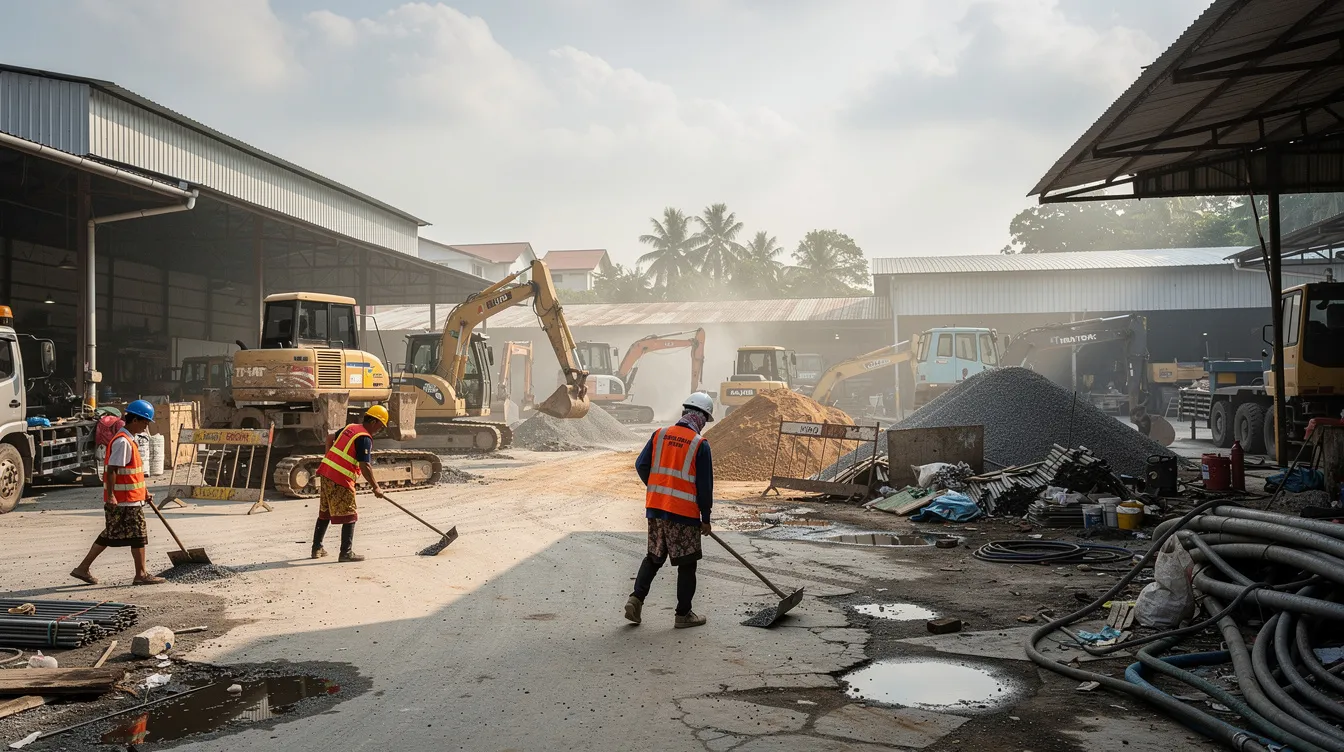
NXP Semiconductors, a leading Dutch semiconductor manufacturer, has officially commenced the construction of a new assembly and test (A&T) factory in Petaling Jaya (PJ), Malaysia. The new facility is part of the company's strategy to bolster its production capabilities in response to increasing demand, particularly in the automotive and IoT sectors.
According to reports from Bharian and Business Today, the factory will contribute significantly to the local economy and enhance Malaysia's position as a hub for semiconductor manufacturing.
NXP's decision to invest in Malaysia aligns with the country's ongoing efforts to attract foreign direct investment (FDI) in the technology sector. Malaysia has been recognized for its skilled workforce and strategic location within Southeast Asia, making it an appealing destination for global tech companies.
In recent years, the Malaysian government has implemented various initiatives to support the growth of the semiconductor industry, including tax incentives and infrastructure development. This new factory will not only help NXP meet its production targets but also support the broader growth of the semiconductor ecosystem in the region.
As the demand for semiconductors continues to rise, driven by advancements in artificial intelligence and the Internet of Things, NXP's expansion in Malaysia is seen as a strategic move to enhance its competitive edge. The company aims to leverage its new facility to increase production efficiency and meet the evolving needs of its global customers.
Laos's media coverage, particularly from Laopost, highlighted the implications of NXP's investment on regional supply chains and the potential for increased collaboration between ASEAN nations in technology sectors. The Laotian perspective emphasized the importance of such developments in strengthening regional economic ties and enhancing technological capabilities across Southeast Asia.
While Indonesian outlets focused on the immediate economic benefits and job creation associated with the factory's construction, Laos's reports framed the investment as a crucial step toward fostering greater intra-ASEAN cooperation in technology and manufacturing. This divergence illustrates differing national interests; Indonesia's coverage stressed the direct economic impact, whereas Laos framed it as part of a broader regional strategy.
Overall, NXP's new facility in Malaysia represents not only a significant investment in the local economy but also a potential catalyst for enhanced regional collaboration in the semiconductor industry, reinforcing the interconnected nature of Southeast Asian markets.