Malaysia
Malaysia's Palm Oil Production Forecasts Show Promising Growth Amid Global Challenges
Malaysia is expected to exceed its palm oil production target for 2026, with new strategies and market dynamics at play.
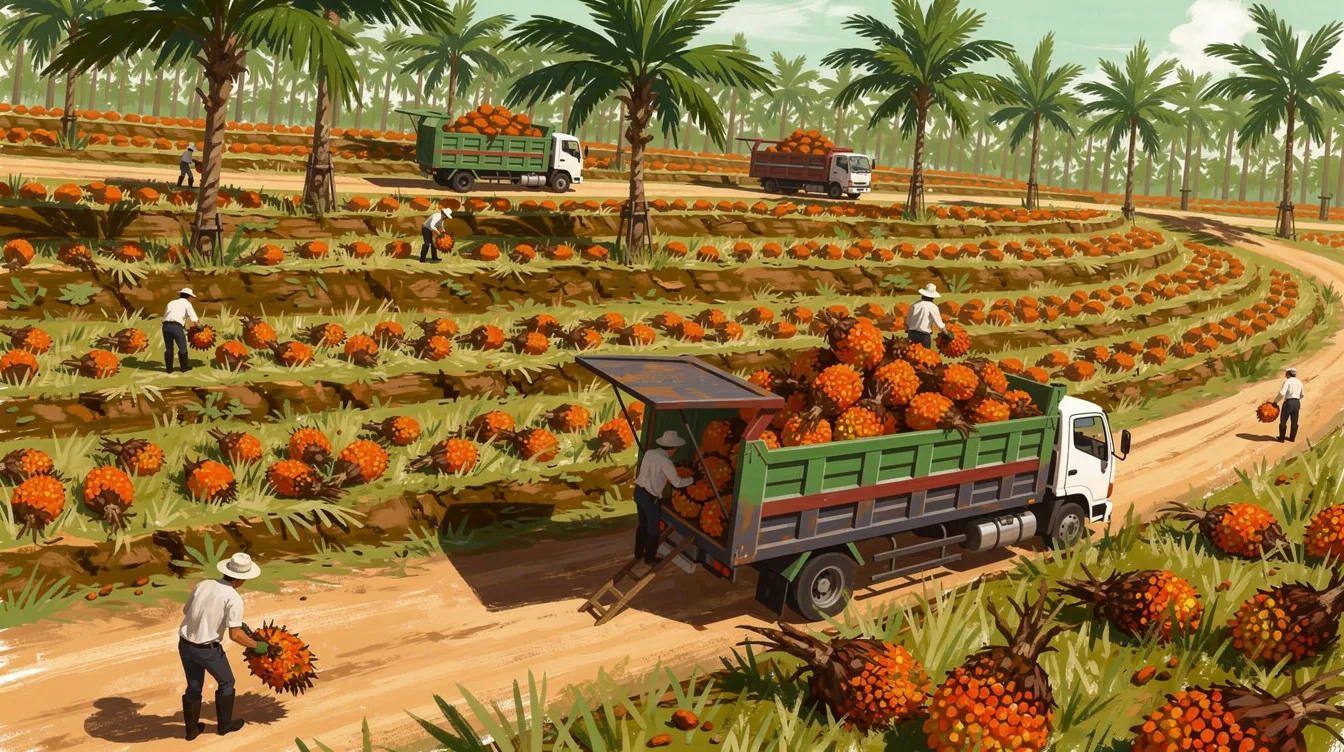
KUALA LUMPUR: Malaysia is on track to exceed its palm oil production target for 2026, with forecasts suggesting output could reach between 19.5 million and 19.8 million tonnes. This optimistic outlook comes amid a backdrop of global market fluctuations and environmental challenges, including the ongoing effects of the Super El Niño phenomenon.
Minister of Plantation and Commodities Datuk Seri Dr Noraini Ahmad announced that the country’s palm oil production aligns with expectations, bolstered by strong marketing efforts and improved industry practices. She said production is currently in line with what the industry has been focusing on, and they are targeting an increase during the remaining months of the year, expressing a positive outlook for production performance.
“Production is currently in line with what we have been focusing on, and we are targeting an increase.”Datuk Seri Dr Noraini Ahmad, Minister of Plantation and Commodities
According to the Malaysian Palm Oil Board (MPOB), the total production for 2026 is projected to range between 19.5 million and 19.8 million tonnes. In the first eight months of the year, Malaysia produced about 12.63 million tonnes, with August alone contributing 1.82 million tonnes. Official September data is pending, but a Bloomberg survey estimated that production may have surged significantly, potentially reaching 2.11 million tonnes, marking a peak production period.
The Malaysian Palm Oil Council (MPOC) has also indicated that while Malaysia's production may see a slight decline of 0.7 million tonnes by 2027, the country is poised to become a more vital supplier of palm oil globally, especially as Indonesia's production is expected to drop by 1.9 million tonnes due to rising domestic demand for biodiesel.
Despite the positive production forecasts, challenges remain. The MPOC noted that Malaysia's palm oil exports are expected to stabilize around 16 million tonnes in 2027, reflecting a 5.2% increase from the previous year. However, the country’s stock levels are currently high, which could be a temporary situation as production peaks.
“If we do this well, biomass can provide additional income to the industry while supporting Malaysia’s wider goals in renewable energy.”Datuk Seri Dr Noraini Ahmad, Minister of Plantation and Commodities
Noraini emphasized the importance of developing the palm oil-based biomass industry, which can provide additional income streams while supporting Malaysia’s renewable energy goals. The industry generates substantial biomass waste, which can be converted into renewable energy and higher-value products.
She encouraged industry players, researchers, and investors to explore these biomass opportunities together, noting that if done well, biomass can provide additional income to the industry while supporting Malaysia’s wider goals in renewable energy and better utilization of resources.