Indonesia
Indonesia’s Proposed 18% U.S. Tariff: 2,273 Products Could Be Exempt
Jakarta says the rate follows its trade agreement with Washington and is lower than some regional competitors’ proposed duties, but the U.S. process is not yet complete.
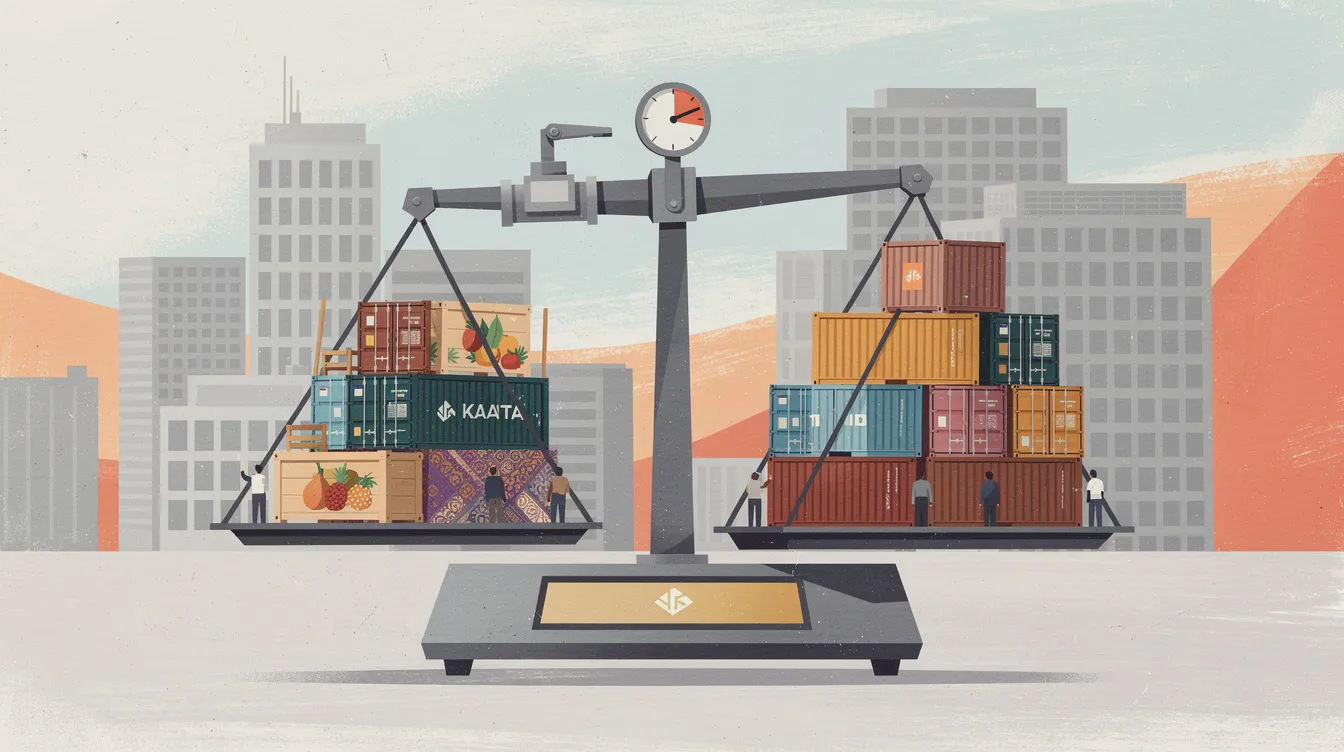
Indonesia’s government says a proposed U.S. import tariff of up to 18% would leave 2,273 product categories eligible for zero-tariff treatment, including palm oil, rubber, coffee and cocoa. The rate and exemptions sit within a U.S. process that has not yet concluded.
Coordinating Economic Minister Airlangga Hartarto said the 18% figure is consistent with the Agreement on Reciprocal Trade (ART), signed by Indonesia and the United States in February 2026. He said the zero-rate list also covers some labour-intensive manufactured goods. The government has not provided a product-by-product breakdown in the reports available.
U.S. Trade Representative Jamieson Greer has made a determination under Section 301 of the Trade Act of 1974 concerning what Washington describes as structural excess capacity in manufacturing. USTR has proposed additional tariffs for public comment; the agency’s notice says interested parties should submit requests to appear at hearings by January 5, 2027. Indonesian officials say the U.S. public hearing is planned for January 25, 2027.
What the 18% figure covers
Indonesian officials have described the rate in different ways. Airlangga said it was the rate under the ART and that the U.S. investigation provided a new legal basis for applying the agreement. Trade Minister Budi Santoso described 18% as the cumulative rate after the investigations into excess capacity and forced labour. Katadata reported Airlangga also mentioned a 10% rate related to the forced-labour issue alongside the reciprocal tariff.
The U.S. proposal is not a confirmed duty on every Indonesian shipment. USTR’s announcement says its proposed action includes exceptions for certain products listed in annexes to the investigations. The Indonesian government’s figure of 2,273 zero-rate categories is therefore important to exporters, but the available reports do not establish how each category will be treated in the final U.S. measures.
Indonesia’s Foreign Ministry spokesperson Vahd Nabyl A. Mulachela said the government was reviewing the USTR findings and would continue dialogue with Washington. He stressed that the findings and proposed tariff were not final. The ministry also said it was coordinating with domestic agencies and would take national interests into account.
Regional competition and export exposure
Jakarta has cited the proposed rate as lower than some other countries. Airlangga said other countries faced higher rates, citing Vietnam at 35%; Budi compared Indonesia’s 18% with Singapore’s 20% and Vietnam’s 35%. Those comparisons reflect the rates described by Indonesian officials. USTR’s published determination confirms that 14 economies are covered, while the precise proposed rates and conditions vary by economy.
“Finance Minister Suahasil Nazara said a tariff imposed by another country would affect Indonesia’s economic growth and that the government would monitor the rate to assess its impact.”Suahasil Nazara, Finance Minister
There is uncertainty around Vietnam’s eventual rate. Katadata, citing Bloomberg, reported that Vietnam could receive a lower rate if it concludes a trade agreement with Washington. The U.S. proposal described by the Indonesian officials therefore does not settle the competitive position of exporters across the region.
Finance Minister Suahasil Nazara acknowledged that a tariff imposed by another country could affect Indonesia’s economic growth, while saying the government would assess the impact once the rate is determined. Budi said the United States is one of Indonesia’s key export markets and that it has been the country’s largest source of trade surplus. He said Indonesian industry would need to prepare to compete abroad.
Indonesia’s export exposure has already been part of its tariff discussions with Washington. InsideASEAN has reported that Jakarta previously sought an exemption from U.S. tariffs on palm oil and other natural-resource-based products. Airlangga’s latest statement points to zero-rate treatment for palm oil and several other commodities, although the final U.S. product list remains central to what exporters will actually pay.
Jakarta’s response at home
The trade ministry says it is also working to widen Indonesia’s export markets through trade agreements. Budi said 25 international trade agreements were in force, three were awaiting ratification—including the Indonesia-EU Comprehensive Economic Partnership Agreement—and 12 remained under negotiation. He said the government aims to complete ratification of the EU agreement before January 1, 2027.
The ministry also plans to connect small businesses and villages with overseas buyers through its “From Local to Global” programme, Budi said. It has provided training to businesses and villages, according to the minister. The reports do not give export targets or figures for the programme.
For Indonesian exporters, the immediate questions are how the U.S. will finalise its proposed measures and which goods will qualify for exemptions. The government has until January 5 to submit its response, with the U.S. hearing scheduled for later that month, according to Indonesian officials.