Malaysia
Malaysia Seeks to Keep US Tariff Ceiling at 19% as 18% Levy Is Proposed
Washington’s Section 301 proposal could add duties to some Malaysian goods, but Kuala Lumpur says the rate is still under discussion, with a decision expected in the first quarter of 2027.
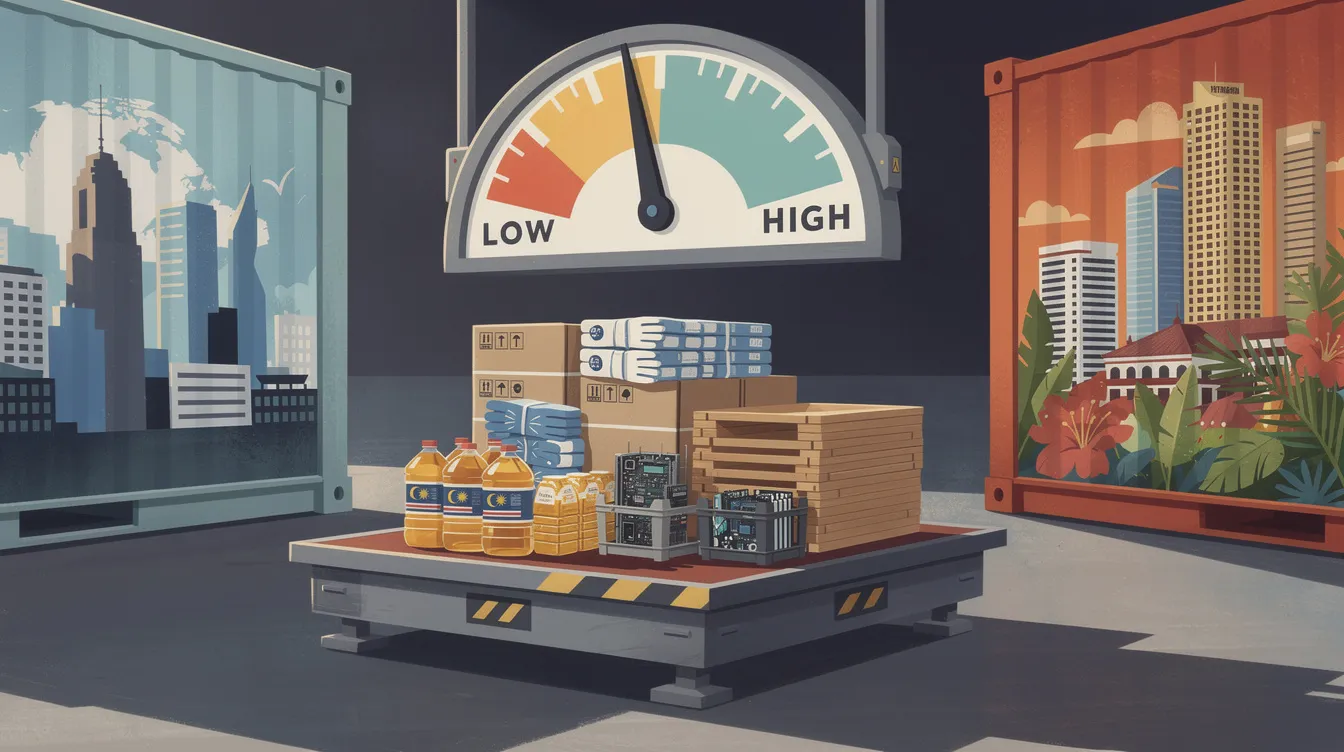
Malaysia says it will keep negotiating with Washington to hold a proposed US tariff ceiling at 19%, after the United States proposed additional duties of up to 18% on Malaysian goods. The rate is not final, Malaysia’s Ministry of Investment, Trade and Industry (MITI) said, and a decision is expected in the first quarter of 2027.
The proposal follows a US investigation under Section 301 of the Trade Act of 1974. The Office of the US Trade Representative (USTR) said it had determined that policies and practices relating to structural excess capacity and manufacturing production in 14 economies, including Malaysia, were unreasonable and burdened or restricted US commerce. It has proposed tariffs as a possible response and opened the proposals to public comment.
For Malaysian exporters, the distinction between a proposed additional duty and a final tariff matters: the rate and product coverage could still change through the process and Malaysia’s talks with the US. The reports by Free Malaysia Today, the New Straits Times and Business Today say Kuala Lumpur is seeking to keep the ceiling at 19% while discussions continue through March 2027.
What Washington has proposed
The USTR’s proposed action would add tariffs of up to 18% on Malaysian goods, subject to product-specific exclusions, according to the agency and Malaysian news reports. The proposal takes account of existing duties, including those under Sections 301 and 232, the reports said. The sources do not establish that every Malaysian product would face the additional rate.
In its announcement, the USTR said its findings concerned policies and practices that it considers to contribute to excess manufacturing capacity. The agency’s Malaysia report, as summarised by Astro Awani, identifies industrial and sectoral plans to expand manufacturing and exports, preferential financing, responses to capacity it associates with imports and foreign investment from non-market economies, and labour protections. It also names information and communications technology and automotive manufacturing as areas of concern.
Those are Washington’s findings and characterisations, rather than settled conclusions accepted by both governments. The Malaysian reports describe the tariff rate as still under negotiation; they do not report a final US determination on the rate or the outcome of the talks.
Malaysia’s negotiating window
MITI has said the rate remains provisional and that a decision is expected in the first quarter of 2027, according to the New Straits Times and Berita Harian. Free Malaysia Today and The Vibes report that Malaysia has until March 2027 to seek to prevent additional tariffs and retain the 19% ceiling. The government’s stated position is to continue discussions with the US during that period.
The USTR has invited public comment on its proposed responses. Its announcement says requests to appear at hearings, with a summary of testimony, must be submitted by January 5, 2027. That consultation is part of the US process; the Malaysian reports do not say that it determines the result of bilateral negotiations.
For companies shipping from Malaysia to the US, the immediate uncertainty is therefore about the final rate and which products may be excluded. The available reports do not quantify the potential cost to Malaysian exporters or identify a final list of affected goods. Until the US process and talks conclude, businesses will have to distinguish the proposed tariff from any duty ultimately applied.