Indonesia
Bima's Bo' Sangaji Kai Manuscript Achieves UNESCO Recognition
The ancient manuscript from Bima, Indonesia, is now recognized in UNESCO's Memory of the World Register, highlighting its cultural and historical significance.
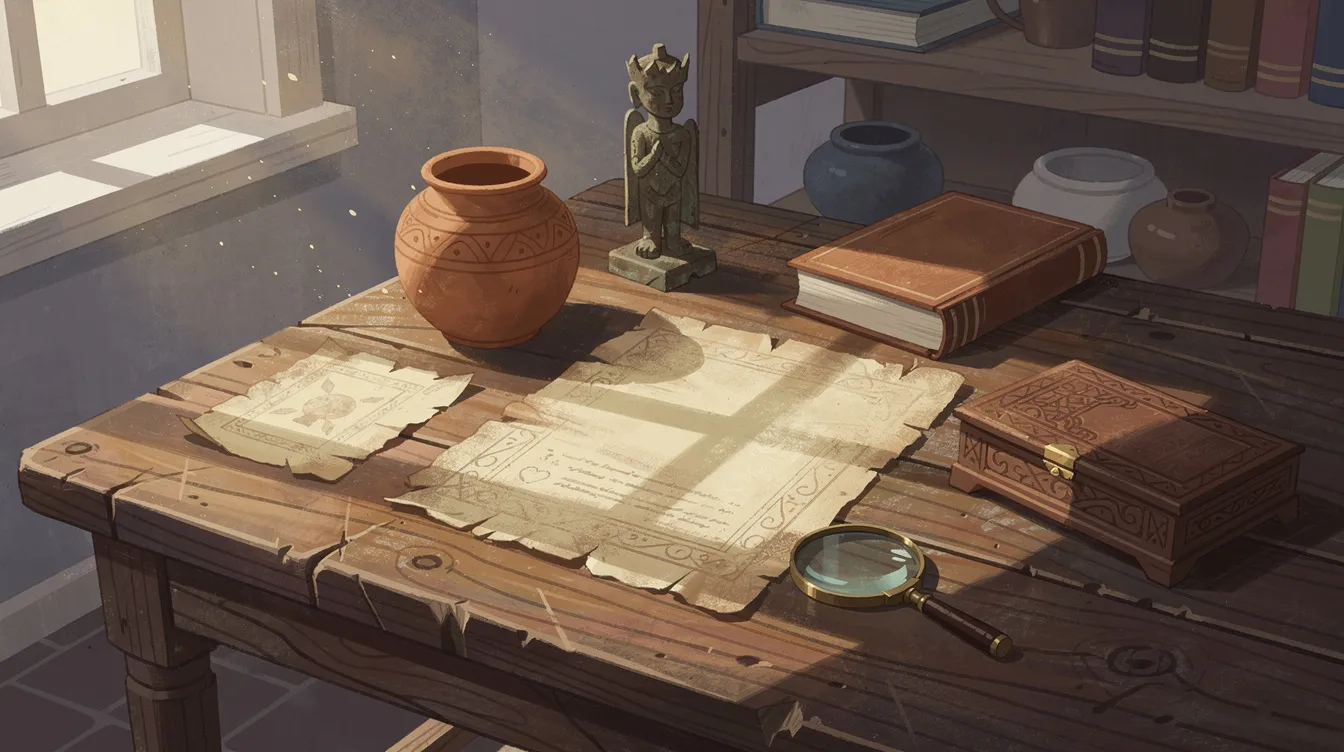
The Bo' Sangaji Kai manuscript, a significant historical document from Bima in Indonesia, has been officially recognized by UNESCO as part of the Memory of the World Register for the Asia-Pacific region. This recognition, announced during the 11th General Meeting of the Memory of the World Committee for Asia and the Pacific (MoWCAP) held in Jakarta on November 5, 2026, underscores the manuscript's importance in preserving local history and knowledge.
Dr. Dewi Ratna Muchlisa, head of the Samparaja Bima Museum and a descendant of Sultan Bima XIV, expressed her gratitude for the recognition, stating, "Alhamdulillah, harapan dan mimpi Bo' Sangaji Kai mendapatkan MoW UNESCO akhirnya terwujud." This acknowledgment not only honors a centuries-old document but also highlights the advanced thinking and knowledge of the ancestors of the Bima community, as the manuscript captures various aspects of life, including governance, law, trade, and social relations.
“Alhamdulillah, harapan dan mimpi Bo' Sangaji Kai mendapatkan MoW UNESCO akhirnya terwujud.”Dr. Dewi Ratna Muchlisa, head of the Samparaja Bima Museum
The term Bo' Sangaji Kai translates to a royal record book, with 'Bo' meaning book and 'Sangaji Kai' being the title for the king of Bima before it became a sultanate. The manuscript, which dates back to the 17th century, was originally written on lontar leaves using the Bima language and script. It later transitioned to Malay using Arabic script during the reign of Sultan Abil Khair Sirajuddin in 1645. The manuscript documents critical events, including the eruption of Mount Tambora in April 1815, which had far-reaching effects on climate and communities worldwide.
“Kita jadikan itu salah satu bagian dari kurikulum pengajaran.”Lalu Muhamad Iqbal, Governor of Nusa Tenggara Barat
According to the Lombok Post, the recognition provides an opportunity for the Nusa Tenggara Barat (NTB) province to promote the history of the Bima Sultanate and enhance the use of this documentary heritage for education and community engagement. Governor Lalu Muhamad Iqbal emphasized the importance of integrating the manuscript into school curricula to ensure that the younger generation understands their rich heritage. He stated, "Kita jadikan itu salah satu bagian dari kurikulum pengajaran," advocating for the manuscript's translation into Indonesian to facilitate its educational use.
Moreover, the content of Bo' Sangaji Kai extends beyond historical records; it includes laws related to trade and land, as well as the Malacca Maritime Law, showcasing Bima's historical connections to maritime trade and governance. Iqbal noted that the manuscript also contains valuable insights into geology and volcanology, making it a multidisciplinary resource for various fields of study.
“Dokumen ini berisi banyak aspek, bahkan di situ juga bicara mengenai geologi, mengenai vulkanologi.”Lalu Muhamad Iqbal, Governor of Nusa Tenggara Barat
As NTB celebrates this international recognition, there is a call for other regions to identify and propose their documentary heritage for similar acknowledgment. The hope is that this recognition will not only elevate the profile of NTB but also inspire a revival of local knowledge and cultural pride among the Bima community.