Philippines
Kalinga's Cultural Heritage Takes Flight with New Museum Initiatives
The establishment of the Kalinga Cultural Center and Museum heralds a new era for heritage conservation in the Philippines, highlighting local history and traditions.
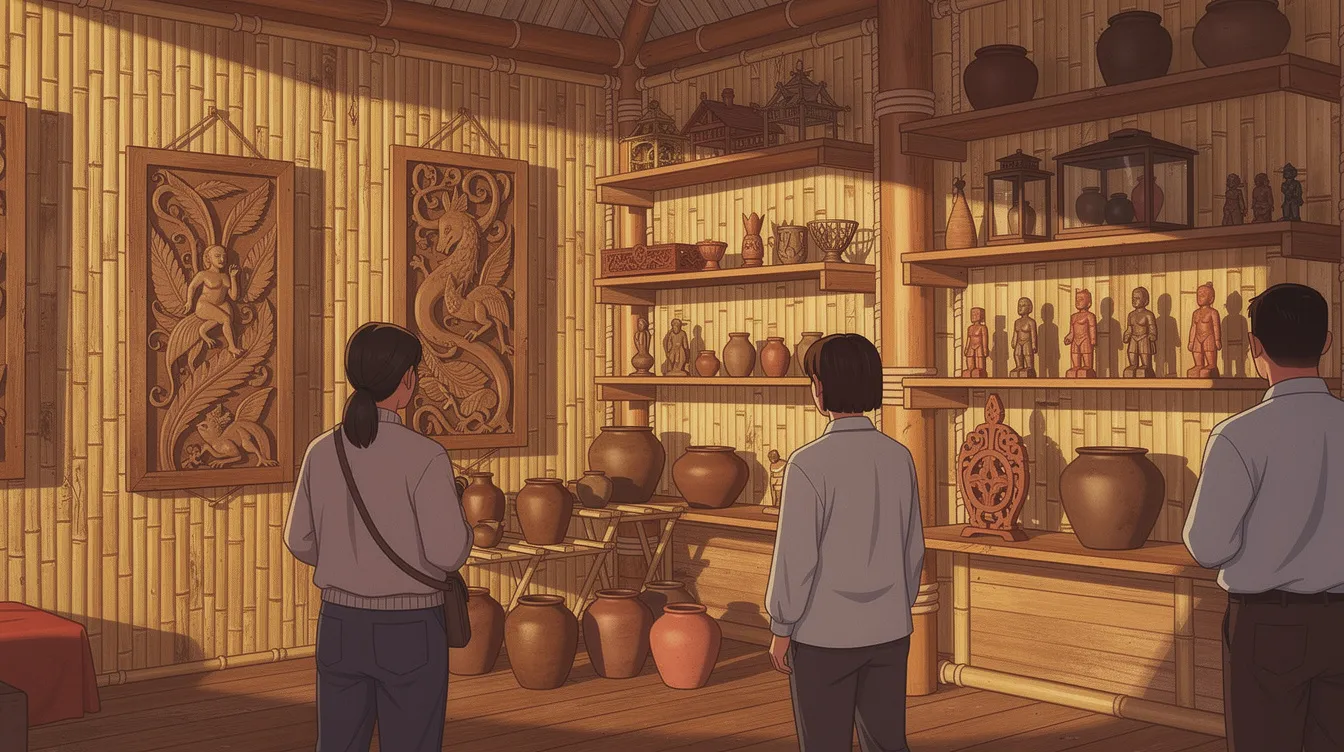
In the heart of Bulanao, Tabuk, the Gallamoy Mini Museum stands as a testament to Kalinga’s rich cultural heritage. Founded by Winston Awing in 2017, this modest establishment is named after his great-grandfather, Gallamoy, a local leader whose legacy is preserved through a collection of historical artifacts. Awing's museum, which operates without an entrance fee, showcases items that reflect the province's evolution from the early 20th century, including clay pots, woven bags, and even military artifacts from World War II.
Awing emphasized the importance of his collection, stating that the items from his ancestor, Gallamoy, are the ones he does not sell. This sentiment underscores the museum's role as a guardian of local history, offering visitors a glimpse into the past without the constraints of commercialism.
“The things that came from our ancestor, Gallamoy — those are the ones I don’t sell.”Winston Awing, owner of Gallamoy Mini Museum
On a broader scale, the Philippine government has recognized the need for cultural preservation in Kalinga through the enactment of Republic Act 11770, which established the Kalinga Cultural Center and Museum (KCCM). Signed on May 24, 2022, this legislation aims to create a dedicated space for the region’s artistic, archaeological, and historical heritage. The KCCM is envisioned as a dynamic institution that will not only showcase artifacts but also serve as an educational hub for the community.
As reported by the Philippine News Agency, the Provincial Development Council of Kalinga has approved the design for the KCCM, with partial funding of approximately PHP 175 million secured through Congress. The facility is set to occupy a 5,000-square-meter site and will be operated by the provincial government to ensure professional archiving of Kalinga’s stories.
“For a nation to move forward, it must be firmly rooted in the diverse stories of its provinces.”Philippine News Agency
The significance of these initiatives extends beyond mere tourism; they represent a concerted effort to safeguard the “Living Heritage” of the Kalinga people. By providing a platform for local narratives, the KCCM aims to validate and protect the cultural practices that define Kalinga identity, such as traditional tattooing (Batok) and the Ullalim chants.
Analysts have noted that local museums like the Gallamoy Mini Museum and the upcoming KCCM play a crucial role in fostering cultural sovereignty. In a globalized context where indigenous knowledge is often commodified, these institutions allow communities to narrate their own histories. This is particularly vital for Kalinga, where sustainable agricultural practices and traditional peace pacts (Bipak) are integral to the local way of life.
“I want the next generation to understand that they are the stewards of a story that belongs to all of Kalinga.”Winston Awing, owner of Gallamoy Mini Museum
Awing’s efforts, mirrored by the KCCM initiative, signify a growing recognition of the importance of local heritage. As he prepares the next generation to take on the stewardship of the museum, he emphasizes that the stories of Kalinga are not merely relics of the past but vibrant components of the present. He wants the next generation to understand that they are the stewards of a story that belongs to all of Kalinga.
As these cultural institutions develop, they promise to enrich the Filipino tapestry, ensuring that the diverse stories of Kalinga are preserved for future generations. The establishment of the KCCM, alongside the personal endeavors of individuals like Awing, marks a significant step in the Philippines' efforts to decentralize heritage conservation and celebrate the unique narratives of its provinces.