Vietnam
VinEnergo Breaks Ground on 126 MW Solar Project in the Philippines
The Sagay plant is the first project under a cooperation framework with the Philippine energy department; VinEnergo says it plans a wider portfolio combining renewables and battery storage.
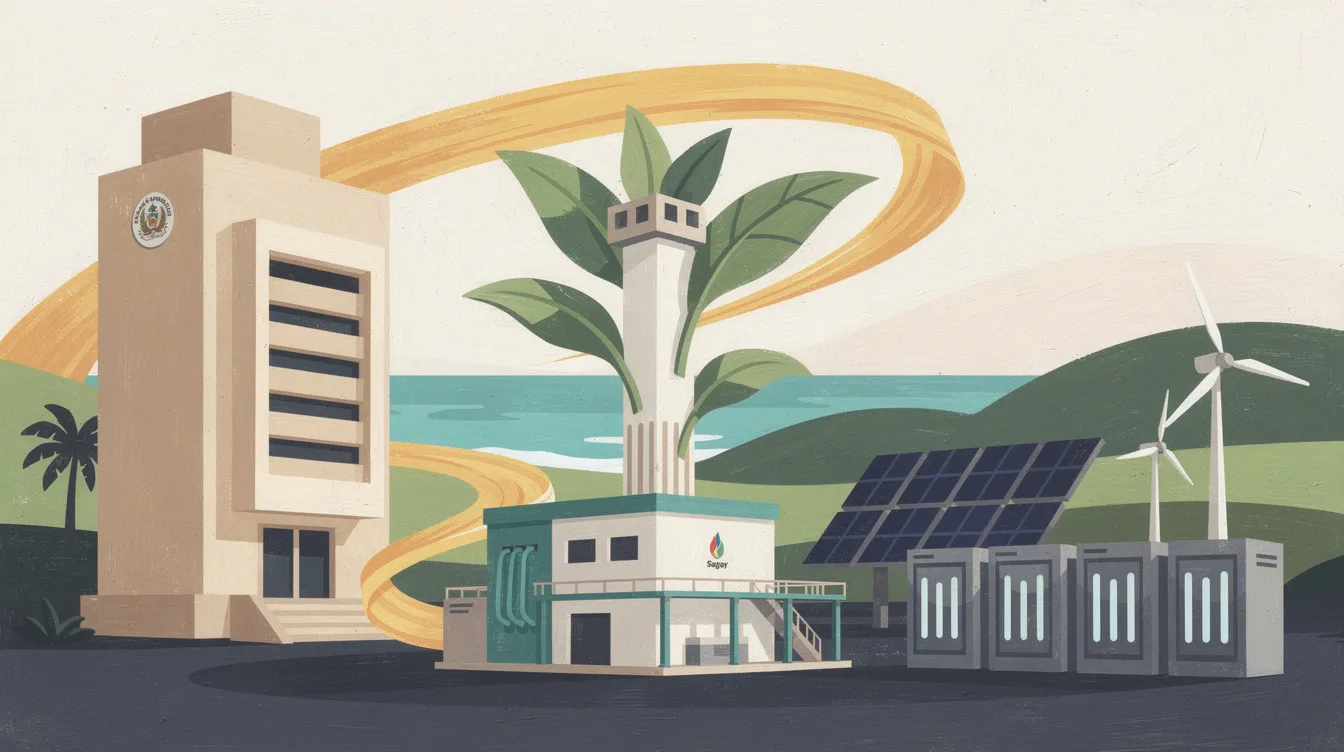
VinEnergo, an energy subsidiary of Vietnam’s Vingroup, has broken ground on a 126-megawatt-peak solar project in Sagay, Negros Occidental, the company’s first project under a cooperation framework with the Philippine Department of Energy. The project is being developed with local renewable-energy company SunAsia Energy, according to Vietnamese outlets CafeF and Thanh Nien.
The ceremony took place on November 26, according to VnExpress, while CafeF reported the groundbreaking on November 27. The sources differ on the date; the project location and capacity are consistent. Local officials and Vietnam’s ambassador to the Philippines attended, the reports said.
Sagay Solar is one of three projects in a 422 MWp portfolio that VinEnergo and SunAsia are developing across Macabebe, Sagay and Silay. The project will use solar panels on elevated support structures, a design the companies say is intended to make use of space while limiting competition for land.
From a first plant to a larger pipeline
The project follows a memorandum of understanding between VinEnergo and the Philippine energy department to study renewable-energy projects integrated with storage. The framework envisages more than 20 gigawatts of renewable capacity and the potential to provide up to 5 GW of firm power to the national grid, according to CafeF and Thanh Nien.
Those figures describe a proposed development pipeline, not capacity already under construction. VinEnergo says it aims to develop up to 5 GWp of generation projects in the Philippines, combining renewable energy with battery energy storage systems. The company has said it wants the portfolio to support round-the-clock baseload supply, while its stated schedule is to advance investment preparations from 2027 to 2029 and move projects that are ready toward construction.
“By harnessing the country’s available renewable energy resources, projects such as this help diversify our energy mix, reduce dependence on imported fuels and limit exposure to volatility in international energy markets.”Sharon S. Garin, Philippine energy secretary
For foreign investors and suppliers, the distinction between the 126 MWp project, the 422 MWp SunAsia partnership and the much larger cooperation framework matters: each represents a different stage and scope. The sources provide no project cost, financing structure, construction timetable or expected commissioning date for Sagay.
Storage and local partnerships
Philippine Energy Secretary Sharon S. Garin welcomed the investment, saying locally available renewable resources could diversify the country’s energy mix, reduce reliance on imported fuel and limit exposure to international energy-market volatility. Her comments were reported by Thanh Nien and CafeF.
VinEnergo chief executive Nguyen Anh Khoa described Sagay as the first implementation step under the cooperation with the department. The company says pairing renewable generation with battery storage is intended to address the variability of power sources that depend on natural conditions. The reports do not specify the battery capacity planned for Sagay itself.
SunAsia’s role gives the project a Philippine development partner, while the broader VinEnergo plan remains dependent on further preparation and project-level progress. InsideASEAN has reported other solar and storage developments in the Philippines, including a solar project in Negros Occidental and a battery storage project in Capiz.