Vietnam
Vietnam's Whale Temples: Cultural Heritage and Marine Research
Whale temples along Vietnam's coastline blend traditional fishing practices with modern marine research, offering insights into the country's rich marine biodiversity.
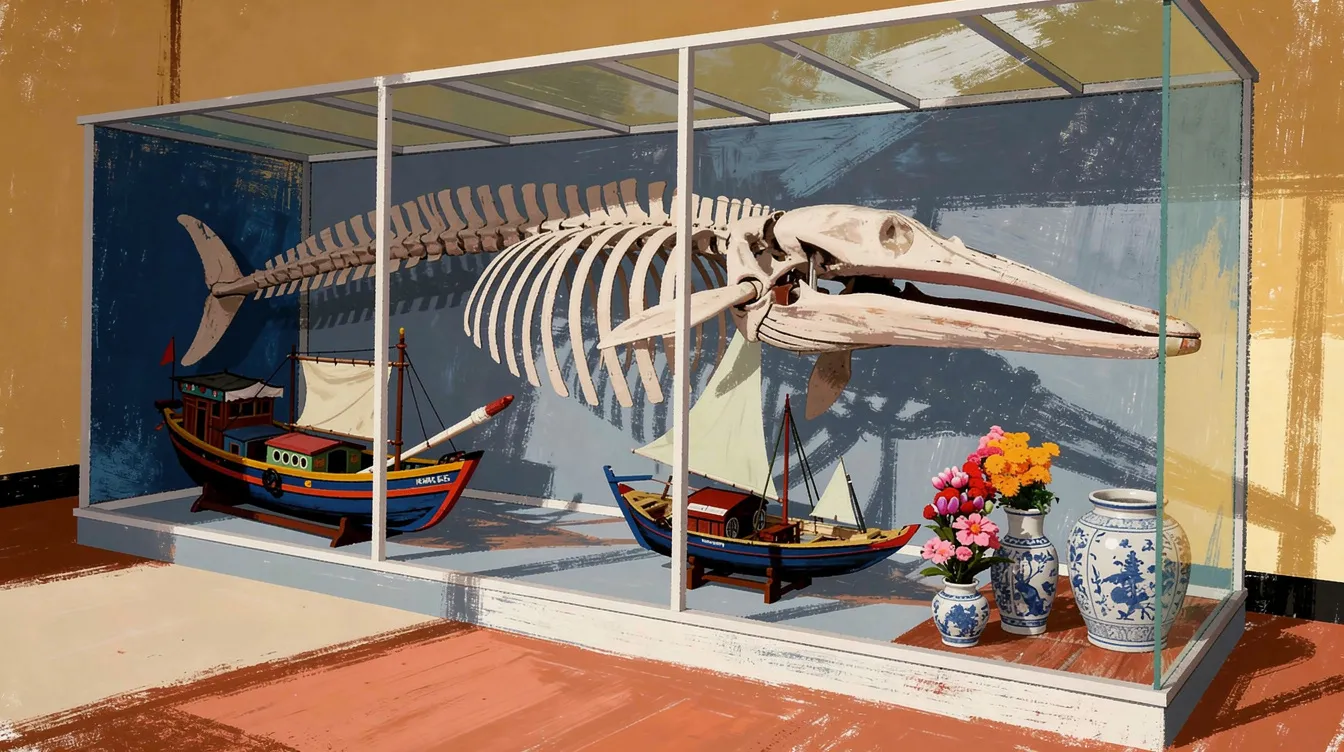
Vietnam's coastal regions are home to over a thousand whale temples, known locally as miếu thờ cá Ông, where fishermen honor the spirits of whales believed to protect them at sea. These shrines, which vary from ornate structures to simple wooden altars, are integral to the fishing communities' cultural heritage and serve as repositories of marine biodiversity.
One notable example is the Lăng Ông Thủy Tướng temple in Can Thanh, located in Ho Chi Minh City's Can Gio district. Here, a 20-meter skeleton of a baleen whale is displayed, attracting both worshippers and researchers. Marine mammal researcher Vu Long, co-founder of the Center for Biodiversity Conservation and Endangered Species (CBES), emphasizes the importance of these temples for scientific study. He noted that the temples provide valuable data on the diversity and distribution of marine mammals in Vietnam.
According to a report by Nikkei Asia, these temples have been part of coastal communities for over two centuries, reflecting a deep-rooted tradition of honoring deceased cetaceans that wash ashore. Fishermen visit these sites to pray for safe voyages and bountiful catches, lighting incense and leaving offerings. This practice not only preserves cultural identity but also fosters a connection to the marine environment.
“Besides being a unique aspect of Vietnamese culture, whale temples are a great supplementary source of information for our research.”Vu Long, co-founder of CBES
The upcoming Nghinh Ông Festival, scheduled from October 5 to 7, 2025, coinciding with the 14th to 16th days of the eighth month of the lunar calendar, will further highlight this cultural significance. The festival, recognized as a national intangible cultural heritage, aims to honor ancestors and pray for a peaceful sea. Activities during the festival will include solemn rituals, cultural performances, and exhibitions showcasing the history of the whale temples, as reported by Báo Văn Hóa.
In addition to their cultural role, whale temples are also crucial for conservation efforts. Vu Long pointed out that many temples house multiple whale skeletons, which can provide insights into historical marine mammal populations and their changes over time. This information is especially valuable given the limited resources available for marine research in Vietnam.
As Vietnam continues to develop its coastal tourism, the whale temples stand as a testament to the country's rich maritime heritage and the ongoing relationship between its people and the sea. They symbolize not only a reverence for marine life but also a commitment to understanding and preserving the biodiversity that defines Vietnam's coastal ecosystems.