Thailand
Thailand's Stock Exchange Introduces Eight New Trading Measures
The Stock Exchange of Thailand aims to enhance market liquidity and stability with new trading rules effective November 16, 2026.
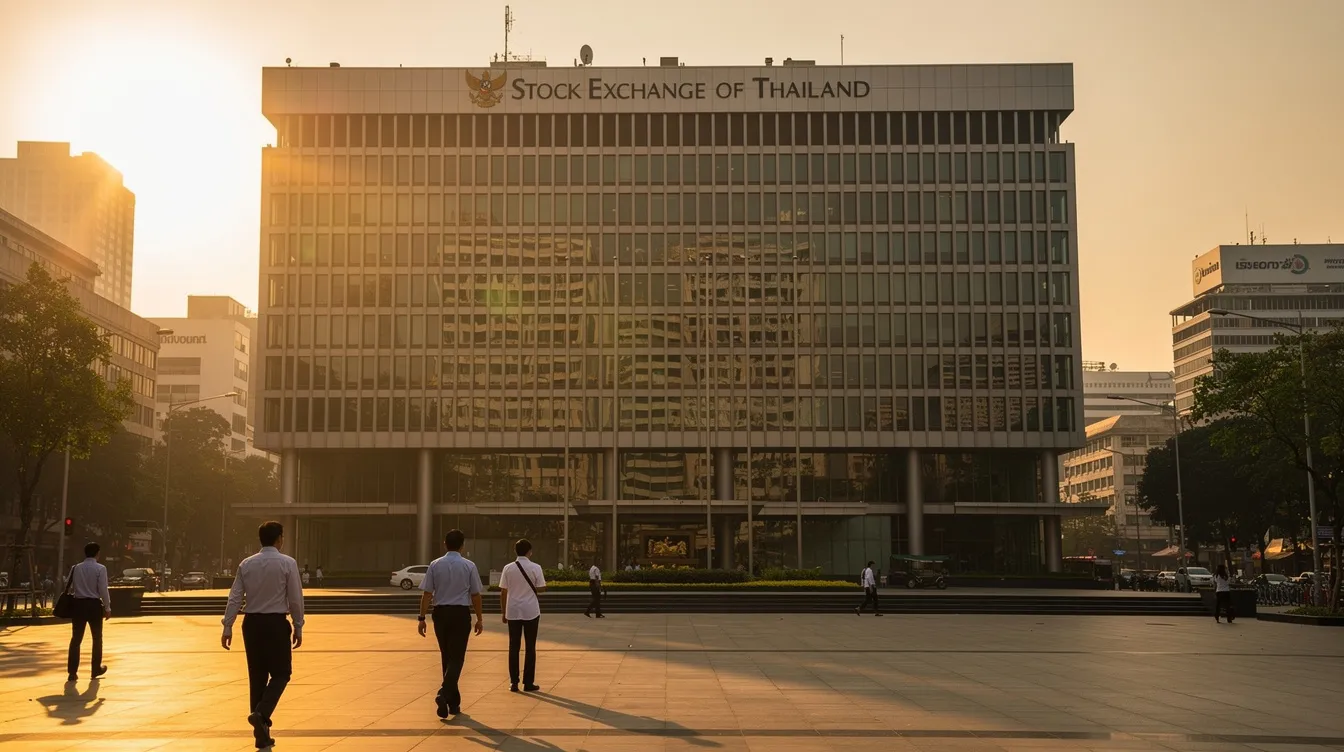
The Stock Exchange of Thailand (SET) is set to implement a series of eight new trading measures on November 16, 2026, following feedback from investors and approval from the Securities and Exchange Commission (SEC). These changes are designed to enhance market quality, reduce abnormal price volatility, and ensure fair trading practices, aligning with international standards.
According to the SET, the new measures aim to balance market liquidity and stability while lowering transaction costs for all investors. The adjustments include a reduction in the tick size— the minimum price movement of a trading instrument— which will allow for more precise pricing and potentially lower the bid-ask spread. For stocks priced between 5 baht (approximately $0.14) and 50 baht (approximately $1.42), the tick size will decrease from 0.05 baht to 0.02 baht for stocks priced below 10 baht, from 0.10 baht to 0.05 baht for stocks priced between 10 and 25 baht, and from 0.25 baht to 0.10 baht for stocks priced between 25 and 50 baht.
“This set of measures aims to create a balance between liquidity and market stability, helping to reduce trading costs for all investor groups and ensuring equitable access to the Thai capital market,” the SET stated.
Additionally, the rules regarding short selling will be updated. Under normal conditions, short selling will follow a Zero-Plus Tick rule, allowing orders to be placed at or above the last traded price. However, if a stock's closing price drops by 10% or more from the previous day's close, the Uptick Rule will apply the next trading day, requiring short sales to be priced above the last traded price to mitigate selling pressure during volatile market conditions.
“This set of measures aims to create a balance between liquidity and market stability, helping to reduce trading costs for all investor groups and ensuring equitable access to the Thai capital market.”Stock Exchange of Thailand
Moreover, the new measures will also address high-frequency trading (HFT) practices. The SET will impose additional fees on brokerage accounts with an Order-to-Trade Ratio (OTR) exceeding 50, which means that for every trade executed, there are over 50 orders placed. This fee, set at 0.15 baht (approximately $0.004) per order for those exceeding 15,000 orders daily, aims to reflect the actual cost of utilizing trading resources and to discourage unnecessary order placements.
In a move to enhance accessibility, the SET will also extend trading hours for certain foreign-linked securities, allowing trading to begin at 8:00 AM instead of the previous 10:00 AM start time. This change is expected to facilitate better access for Thai investors to international markets.
These measures reflect the SET's commitment to improving the operational environment of the Thai capital market, fostering investor confidence, and aligning with global trading practices. The implementation of these changes is seen as a proactive step to adapt to the evolving landscape of financial trading.