Thailand
Thailand's Chiang Mai Prototype Model Aims to Combat PM2.5 Pollution
The Tourism Authority of Thailand introduces a new initiative to promote Chiang Mai as a green destination while addressing air pollution concerns.
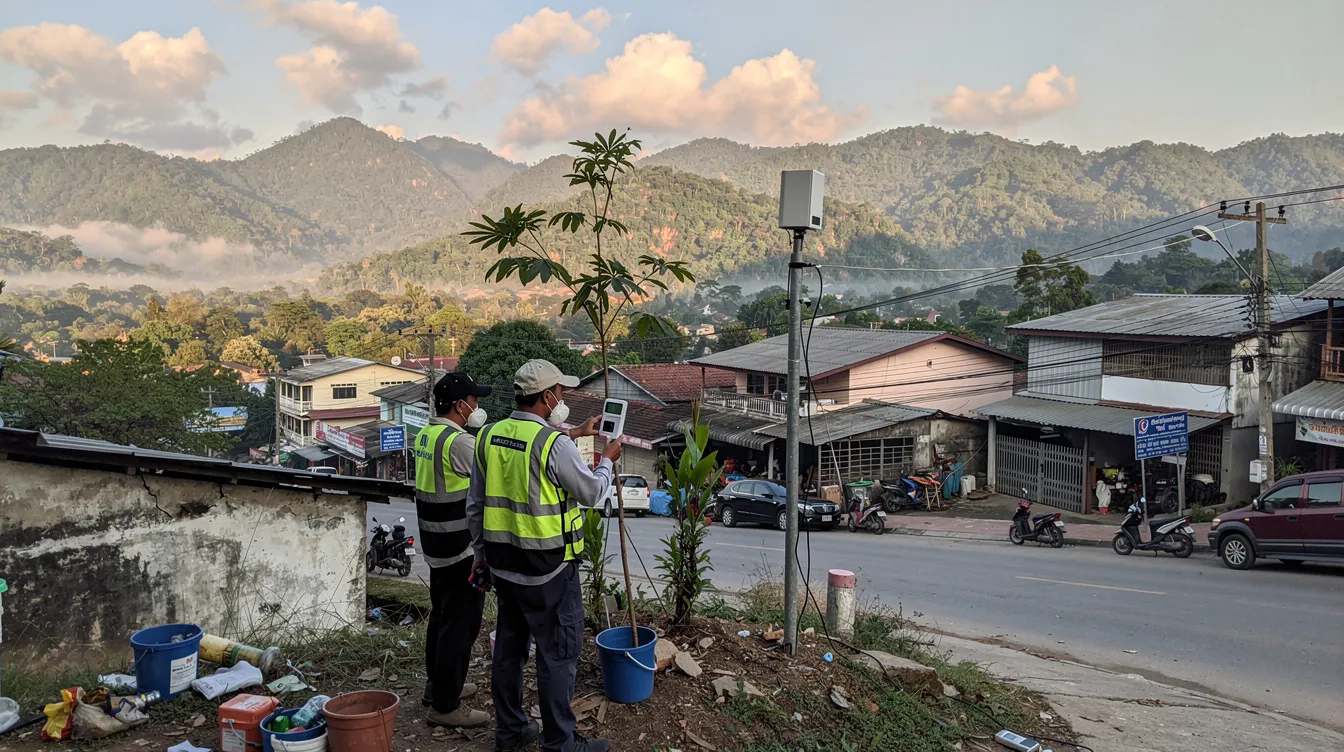
The Tourism Authority of Thailand (TAT) has launched the Chiang Mai Prototype model, a strategic initiative designed to position Chiang Mai as a green destination while addressing the persistent issue of PM2.5 air pollution. This model aims to enhance the city's appeal to tourists and promote sustainable practices among local businesses.
Chiang Mai, known for its rich cultural heritage and natural beauty, has faced significant challenges due to air quality issues, particularly during the dry season. According to TAT officials, the initiative will involve collaboration with local communities, businesses, and government agencies to implement environmentally friendly practices and raise awareness about pollution.
As part of the initiative, TAT plans to promote eco-tourism and sustainable travel options, encouraging visitors to engage in activities that support local conservation efforts. The model will also focus on improving urban infrastructure to reduce emissions and enhance air quality. The TAT has emphasized that this approach is not only beneficial for the environment but also for local economies, as it seeks to attract environmentally conscious travelers.
In recent years, Chiang Mai has seen a rise in PM2.5 levels, leading to public health concerns and prompting local authorities to take action. The TAT's initiative is seen as a proactive measure to address these challenges while promoting the city as a premier tourist destination. Analysts have noted that aligning tourism with environmental sustainability could attract a new demographic of visitors.
Officials from TAT noted that the success of the Chiang Mai Prototype will depend on the active participation of local stakeholders and the integration of sustainable practices across various sectors. The initiative is part of a broader effort by the Thai government to promote green tourism and mitigate the impacts of climate change.