Thailand
Japan Railways Targets Thai Freight Market with Scheduled Train Services
Japan Railways Group's freight division aims to establish a new rail transport option in Thailand, dominated by trucking.
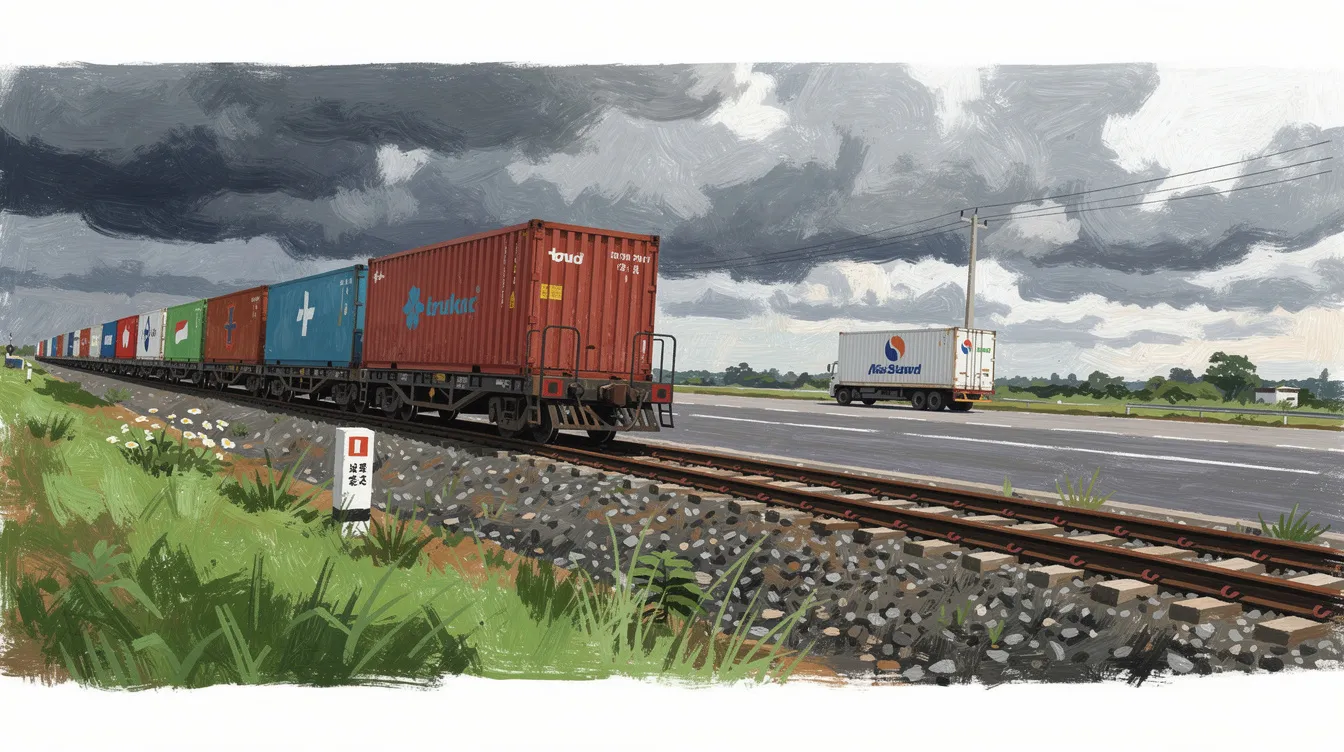
BANGKOK -- Japan Railways Group's freight division, JR Freight, is making a strategic move to penetrate Thailand's freight transport market, which is currently dominated by trucking. The company aims to introduce scheduled rail services as a viable alternative for cargo transport.
In Thailand, where trucking accounts for most of the cargo transport, the introduction of rail services is seen as a potential game-changer. Officials from JR Freight have expressed confidence that their scheduled services can provide a reliable and efficient option for transporting goods across the country.
According to a report by Nikkei Asia, JR Freight is targeting various sectors, including agricultural products and automotive parts, which are critical to Thailand's economy. The company is expected to leverage its expertise in rail logistics to enhance supply chain efficiency.
Industry analysts have noted that while the trucking industry is well-established, there is a growing interest in alternative transport methods. Rail transport is often seen as a more sustainable option, potentially reducing carbon emissions associated with freight transport.
In a related context, the Thai government has been actively promoting infrastructure improvements to enhance the logistics sector. Recent initiatives include the revamping of high-speed rail bidding processes, aimed at attracting more investment in rail infrastructure, as reported by InsideASEAN.
JR Freight's entry into the Thai market comes at a time when the logistics sector is undergoing significant changes. The company aims to capitalize on these trends by offering a reliable, scheduled service that could appeal to businesses looking for alternatives to trucking.
Meanwhile, in Vietnam, the coffee sector is undergoing its own transformation, driven by new European Union regulations that demand higher sustainability standards. Vietnam, a major coffee producer, is facing pressures to adapt its agricultural practices to meet these standards, which include environmental responsibility and traceability of products. Reports from Thanh Nien highlight that the coffee industry in Vietnam, particularly in the Lâm Đồng region, is focusing on sustainable practices to maintain its competitive edge in international markets.
While Indonesian coverage of JR Freight's plans emphasizes the potential benefits for Thailand's logistics efficiency, Vietnamese outlets frame the situation within the broader context of agricultural exports and sustainability. They stress the importance of adapting to global market demands, particularly as coffee producers seek to enhance their value and sustainability practices to comply with international regulations.
This contrast illustrates how regional developments in freight transport and agricultural practices are interconnected, with both countries navigating the challenges and opportunities presented by evolving market conditions.