Thailand
Chiang Rai: The Jewel of Northern Thailand
Discover the rich tapestry of culture, history, and stunning landscapes in Chiang Rai, a city that offers a unique glimpse into Thailand's northern heritage.
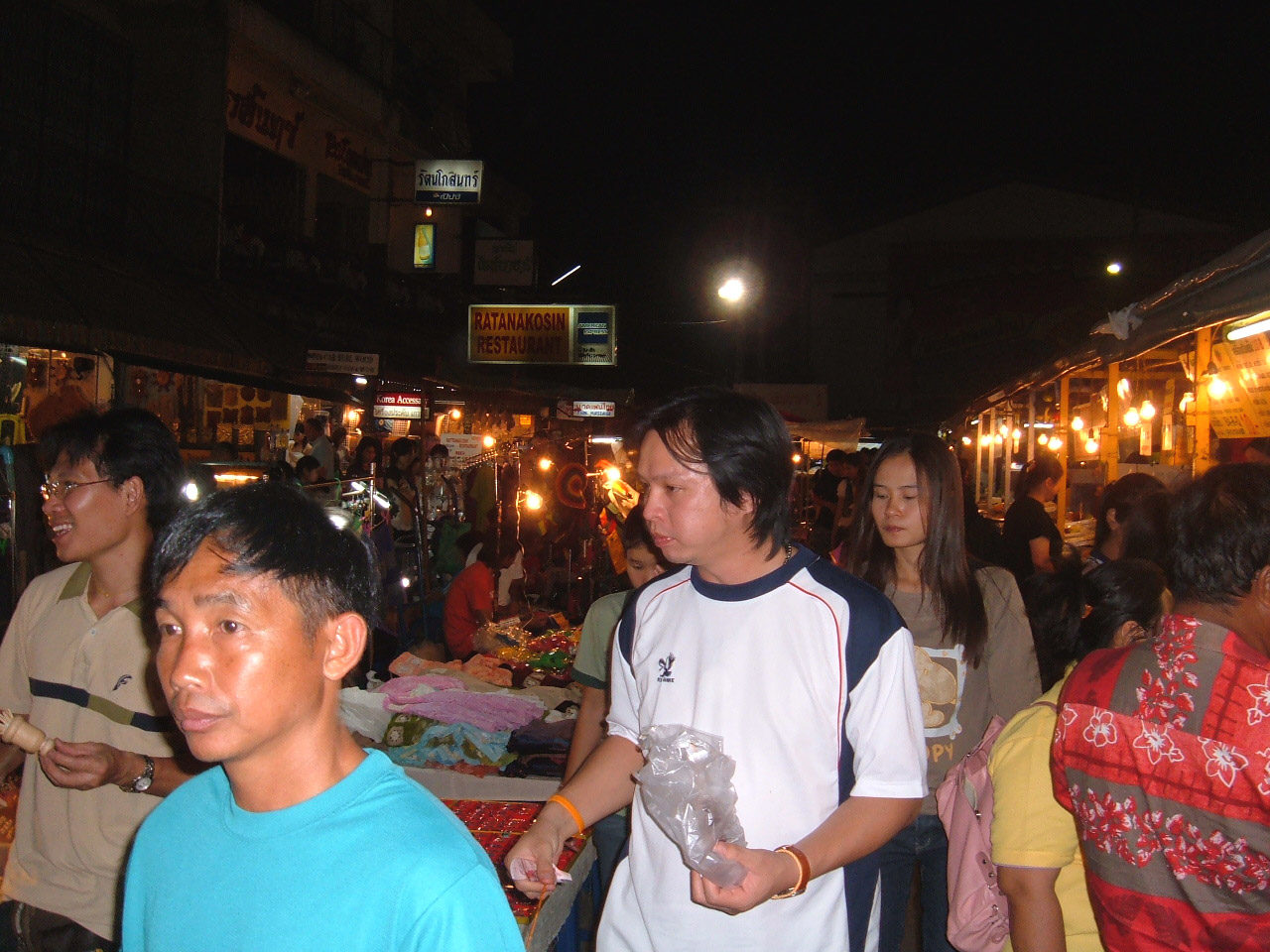
As the sun dips below the horizon, casting an amber glow over the lush hills of Chiang Rai, the air fills with the tantalizing aroma of spicy northern Thai cuisine. Street vendors set up their stalls along the bustling night market, where the sounds of laughter and chatter blend with the sizzling of skewers on charcoal grills. This is not just a city; it is a vibrant tapestry of history, culture, and community.
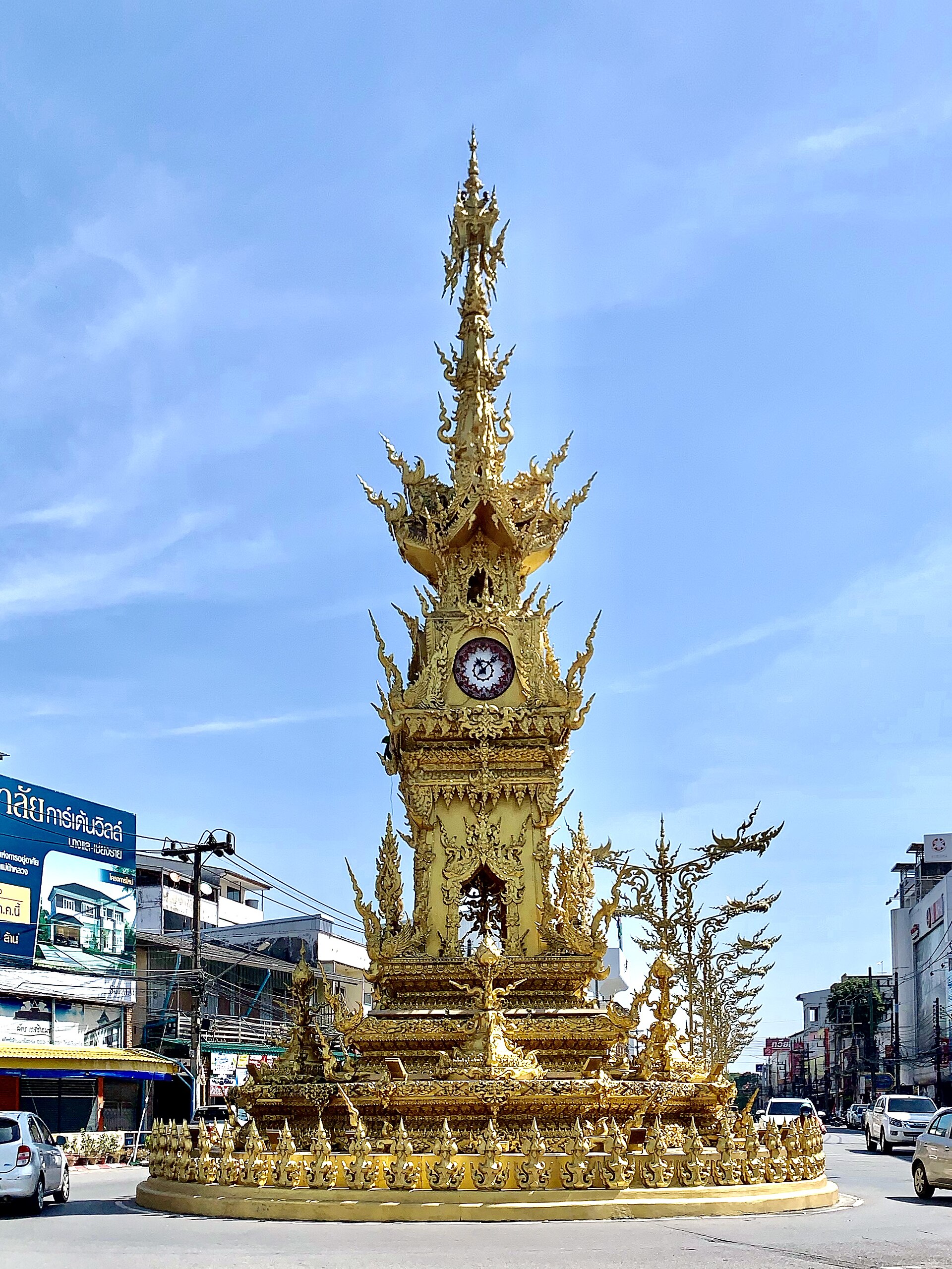
Founded in 1262 by King Mangrai, Chiang Rai was once the capital of the Mangrai Dynasty. Its rich history is palpable in every corner, from the ancient temples to the modern art installations that dot the landscape. The city serves as a gateway to the Golden Triangle, where Thailand, Myanmar, and Laos converge, making it a strategic hub for trade and cultural exchange.
The Temples: A Feast for the Senses
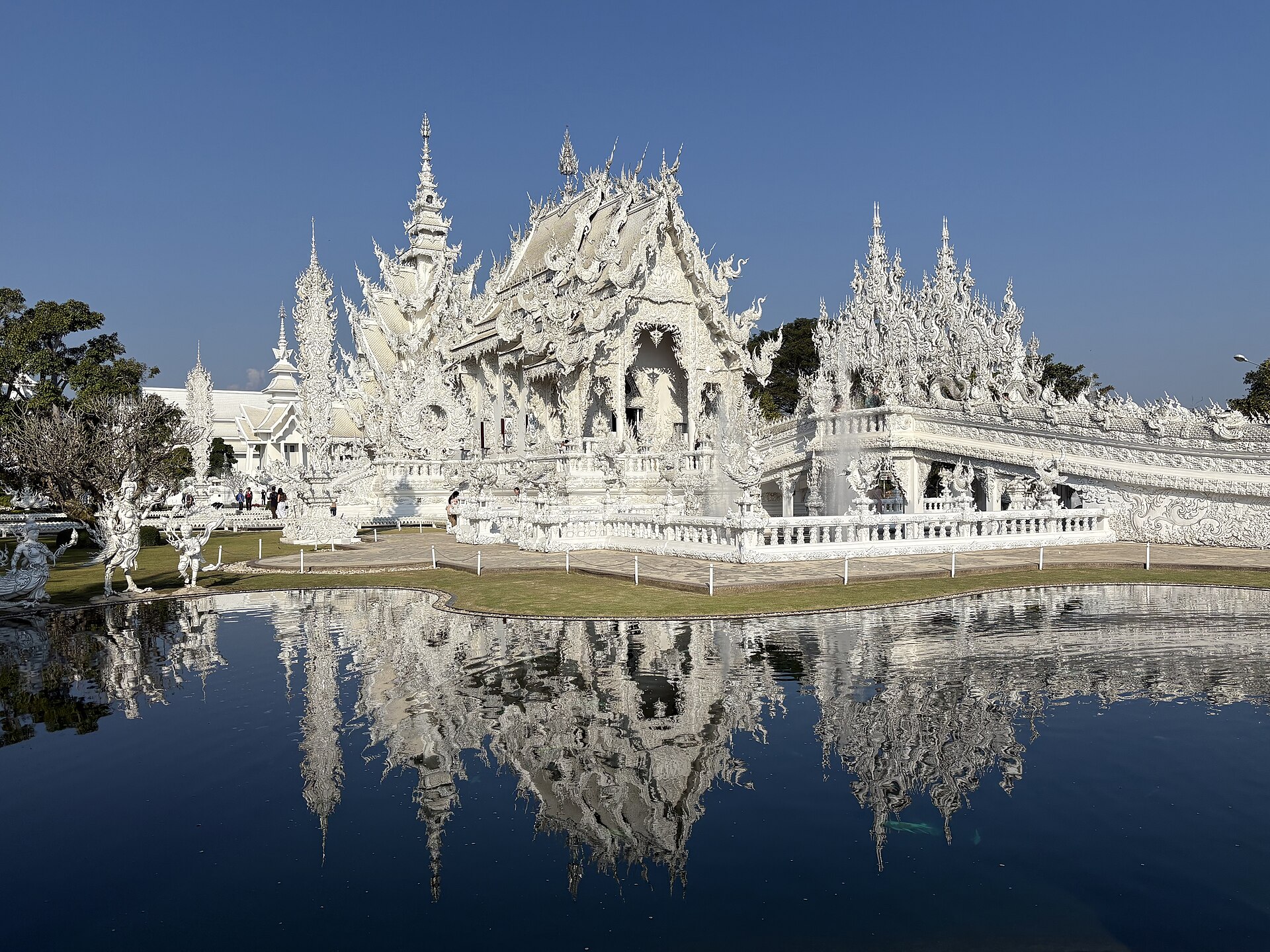
Among Chiang Rai's most iconic sites is the Wat Rong Khun, or the White Temple, a contemporary masterpiece designed by artist Chalermchai Kositpipat. Its gleaming white façade and intricate designs reflect a blend of traditional Buddhist art and modern symbolism, drawing visitors from around the globe. Just a short drive away lies the Baan Dam, or Black House Museum, a collection of dark, mysterious structures that showcase the works of national artist Thawan Duchanee. Here, the juxtaposition of light and dark creates a haunting beauty that invites reflection.
Cultural Richness and Hill Tribe Heritage
Chiang Rai is also home to a diverse population, including a significant number of hill tribes. The Hilltribe Museum and Education Centre offers insights into the lives and cultures of these communities, promoting understanding and respect for their traditions. Visitors can learn about the unique customs of the Akha, Lahu, and Karen tribes, and even participate in tours that support local artisans.
Food lovers will find Chiang Rai's culinary scene equally captivating. The local cuisine is known for its bold flavors and includes dishes like khao soi, a rich coconut curry noodle soup, and nam ngiao, a spicy noodle dish with a tomato-based broth. Street food stalls and local restaurants provide ample opportunities to indulge in these delights.
Getting There and Around
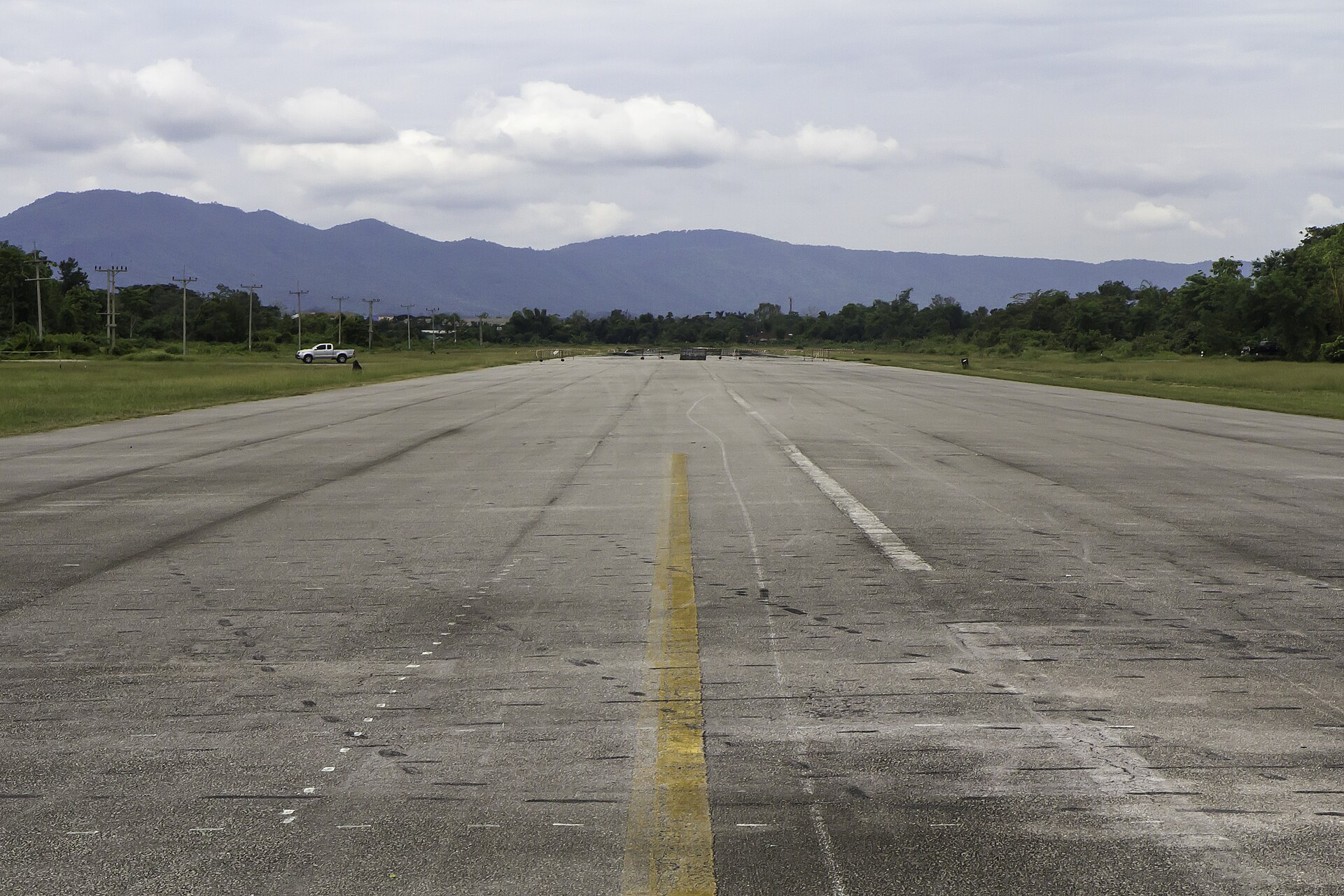
Reaching Chiang Rai is relatively straightforward, with flights connecting to Bangkok and other major cities. The Mae Fah Luang-Chiang Rai International Airport is a mere 8 km from the city center, and an air-conditioned bus service makes transfers convenient and affordable. For those preferring ground travel, buses from Chiang Mai offer a scenic route through the mountains, although travelers should be mindful of the rainy season, which can affect travel times.
Once in the city, exploring on foot is a pleasant option, as many attractions are within walking distance. Tuk-tuks and songthaews are also readily available for those looking to venture further afield.
Best Time to Visit

Chiang Rai enjoys a tropical climate, with the best time to visit being from November to February, when temperatures are cooler and the skies are clear. However, each season offers its own charm, from the vibrant greenery of the rainy season to the colorful blooms of the cool season.
In a world that often feels rushed, Chiang Rai invites you to slow down and immerse yourself in its rich history and culture. Whether you are wandering through its temples, savoring its culinary delights, or engaging with its diverse communities, this northern gem of Thailand promises an unforgettable experience.