Thailand
Ayutthaya: Echoes of a Lost Kingdom
Step into the ruins of Ayutthaya, where ancient grandeur meets modern curiosity.
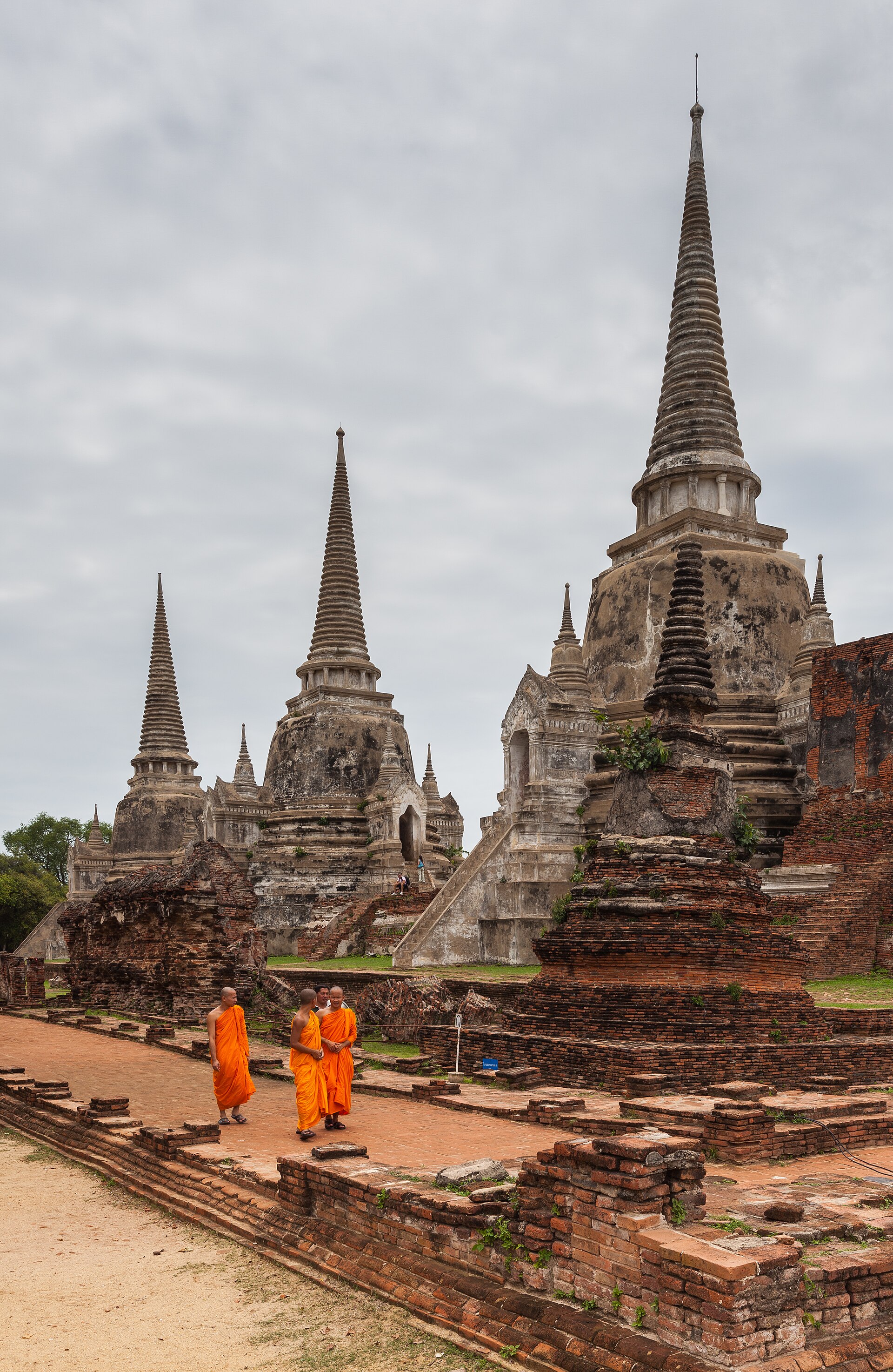
As the sun begins to rise over the Chao Phraya River, the ruins of Ayutthaya emerge from the mist like the ghosts of a once-mighty kingdom. Founded in 1350 and flourishing for over four centuries, Ayutthaya was the heart of Siam, a bustling hub of trade and culture that attracted merchants from across the globe. Today, its crumbling temples and towering prangs stand as silent witnesses to a glorious past, inviting visitors to explore their stories.
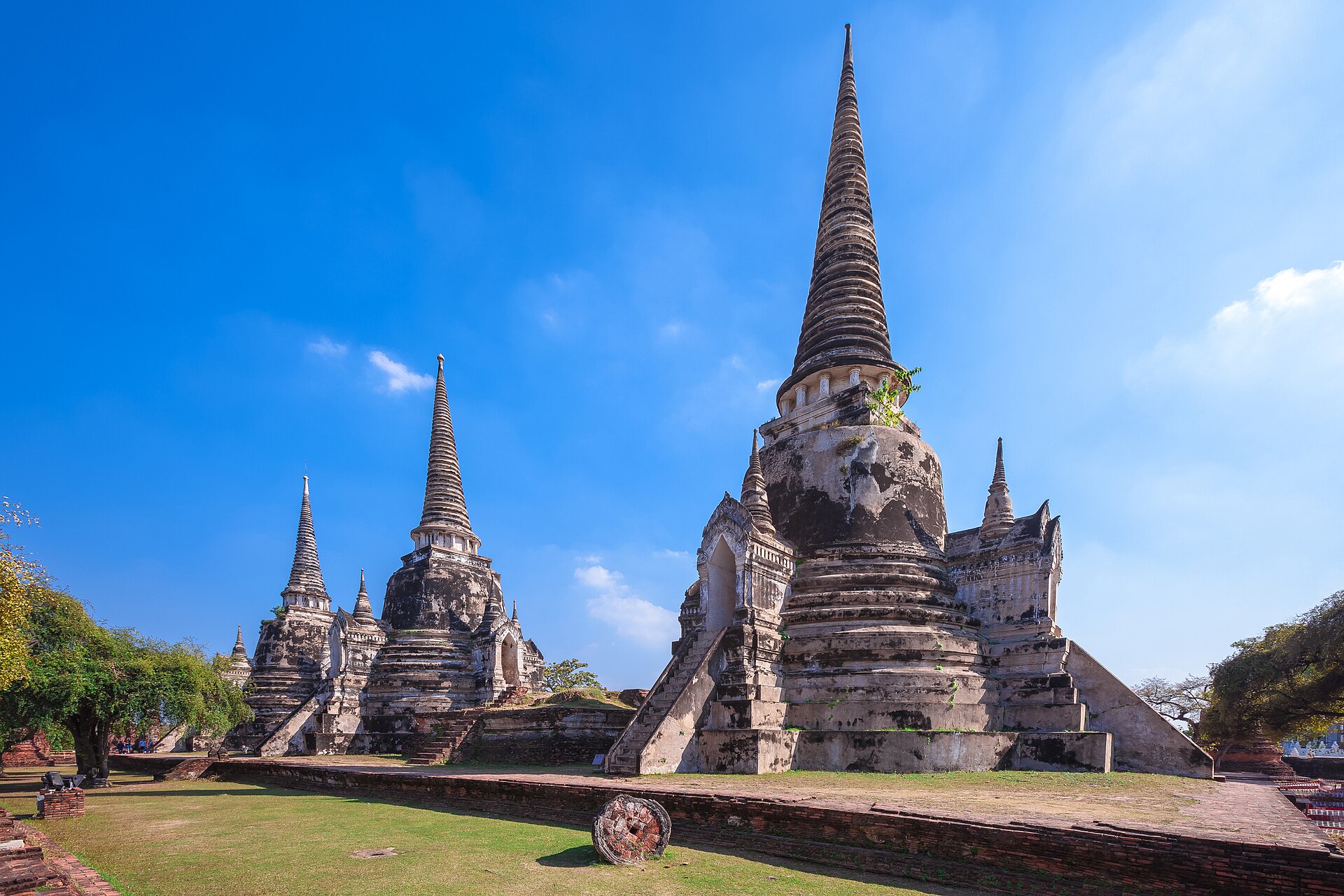
Walking through the Ayutthaya Historical Park, you might find yourself captivated by the intricate details of the Wat Phra Si Sanphet, once the holiest temple in the kingdom. Its three towering chedis (stupas) loom over the landscape, remnants of a time when they housed the ashes of kings. The warm, golden light of dawn casts long shadows, enhancing the ethereal quality of the site. It’s a moment that feels almost sacred, as if the spirits of the past linger in the air.
The Journey to Ayutthaya
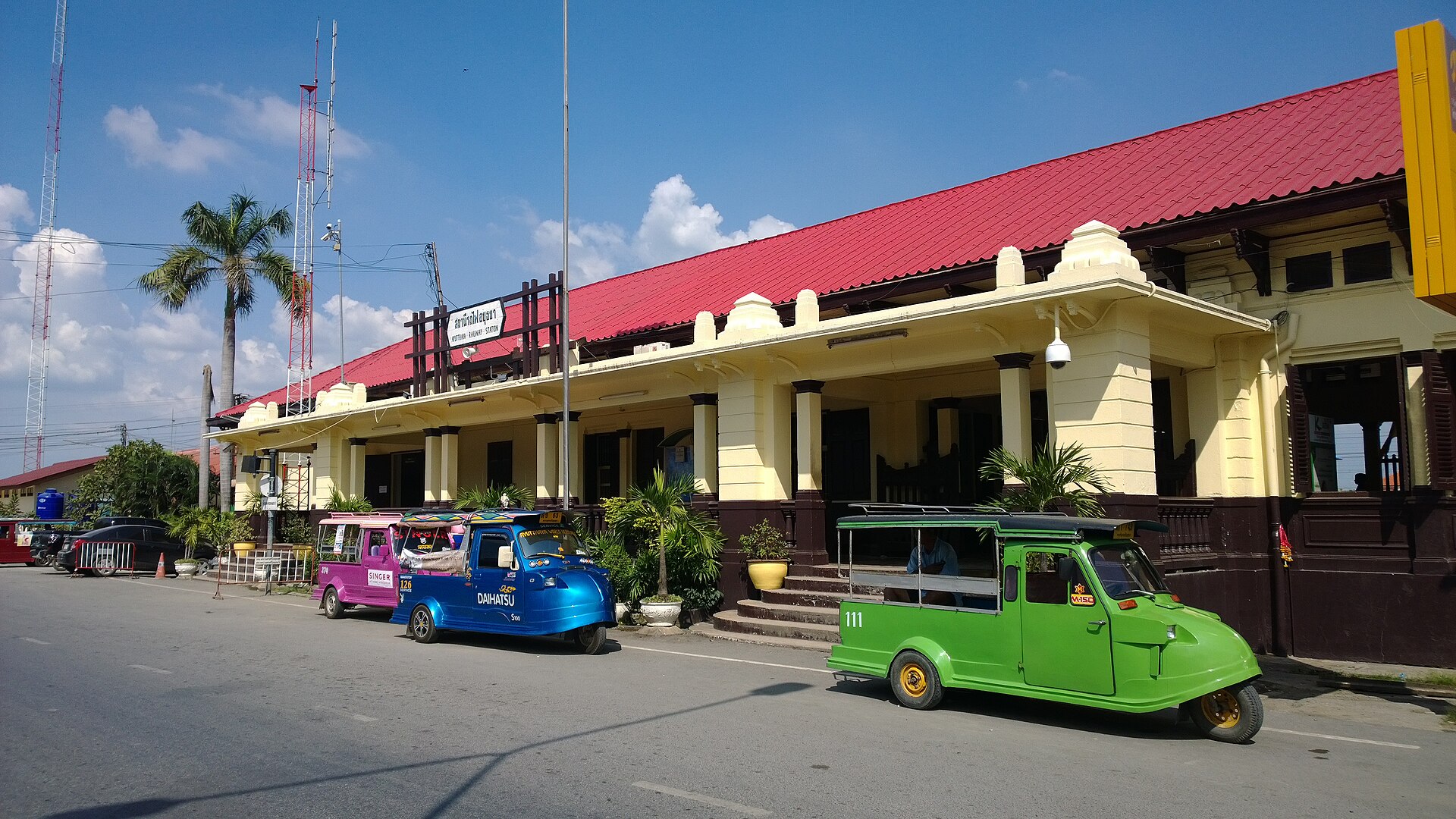
Reaching Ayutthaya is relatively easy, especially for those staying in Bangkok, just 85 kilometers to the south. You can opt for a scenic train ride that takes about two hours, allowing you to mingle with locals and enjoy the picturesque countryside. Alternatively, buses and taxis provide convenient options, though traffic can be unpredictable. Regardless of your choice, the journey is part of the experience, transitioning from the modern hustle of Bangkok to the tranquil ruins of Ayutthaya.
Once you arrive, the best way to navigate the historical park is by bicycle. Rentals are inexpensive and allow you to explore at your own pace, weaving between the ancient structures that dot the landscape. Don’t forget to hydrate, as the sun can be relentless, especially during the midday hours.
A Glimpse of the Past
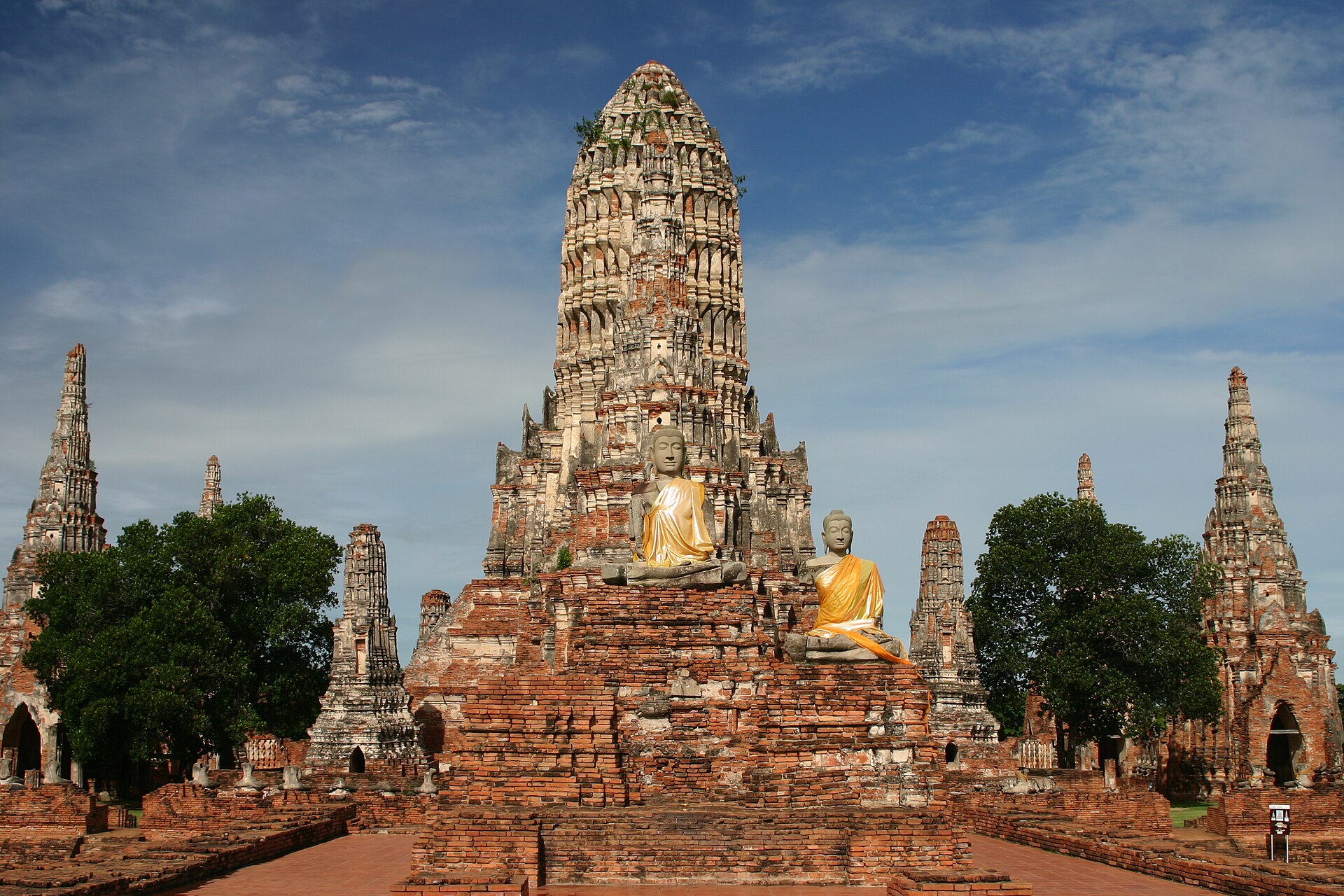
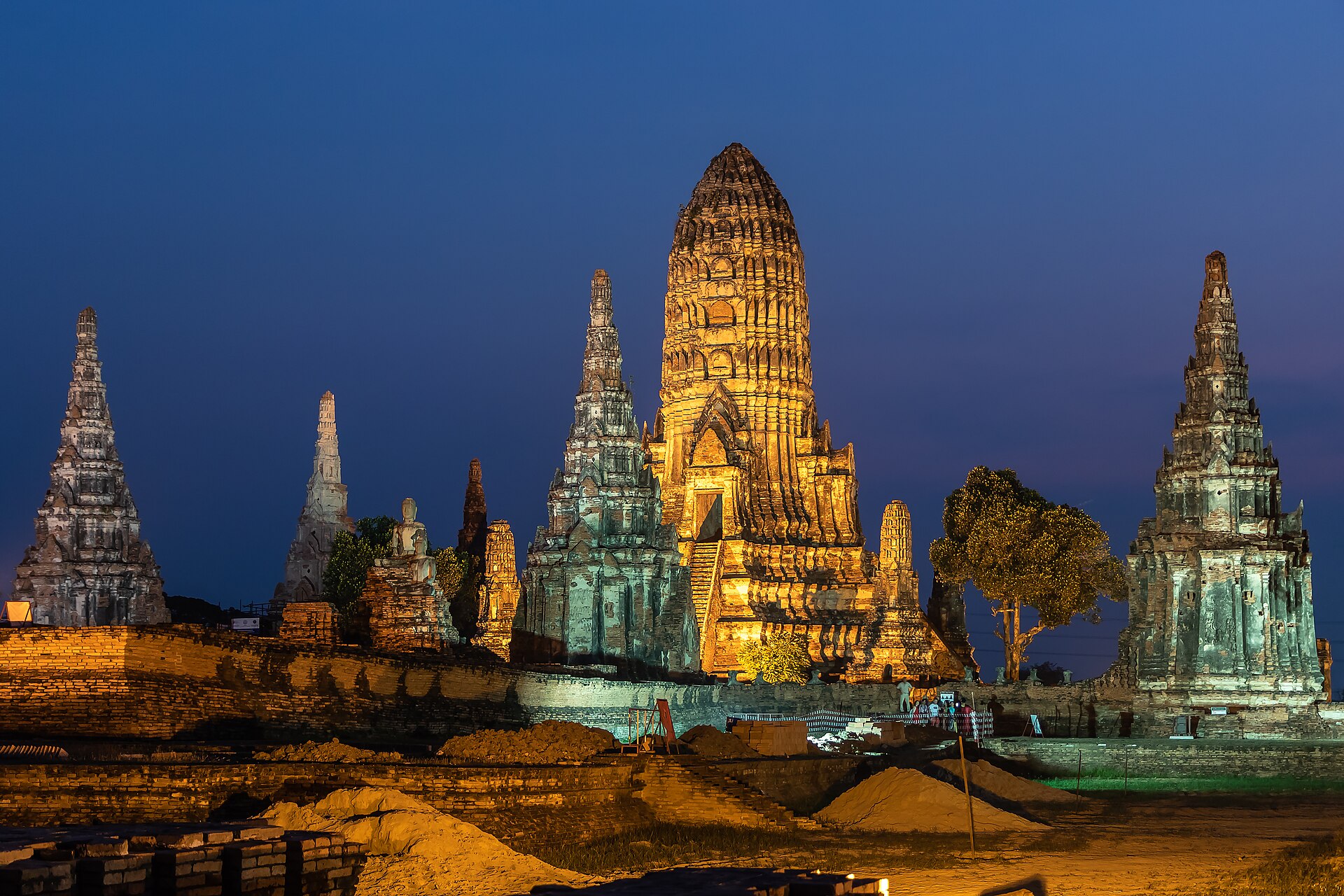
As you pedal through Ayutthaya, the remnants of foreign influences become apparent. The architecture reflects a blend of Thai, Khmer, and even European styles, a testament to the city’s role as a melting pot of cultures. The impressive Wat Chaiwatthanaram, with its Khmer-style architecture, stands majestically along the riverbank, offering stunning views, particularly at sunset.
However, the allure of Ayutthaya is not without its challenges. The ruins, while beautiful, are often crowded with tourists, particularly on weekends. To avoid the throngs, consider visiting on a weekday or arriving early in the morning. The quiet of the early hours enhances the experience, allowing for moments of reflection amidst the historical splendor.
Cultural Etiquette and Local Life
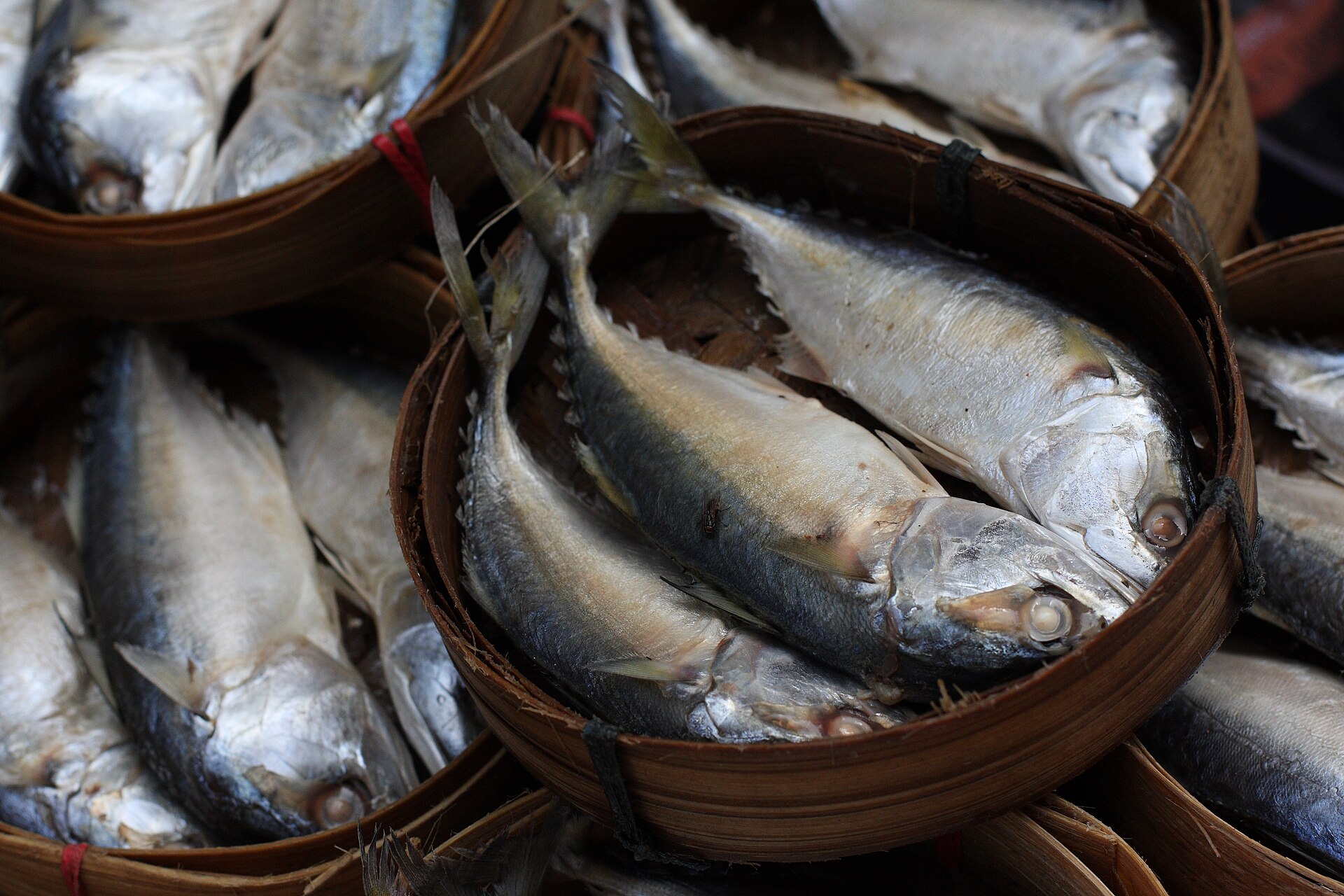
As you explore, it’s important to respect the local customs. Dress modestly when visiting temples—shoulders and knees should be covered. A simple sarong can be a handy addition to your travel gear. Engaging with local vendors at the markets can also enrich your visit; try the local delicacies like boat noodles or mango sticky rice, and don't hesitate to practice your Thai greetings—locals appreciate the effort.
In the evening, as the sun sets behind the ancient ruins, the atmosphere transforms. The soft glow of lanterns illuminates the pathways, and the sounds of laughter and chatter fill the air. Many visitors gather along the riverbanks to witness the sunset, a ritual that feels almost communal, as if everyone is sharing in the beauty of this historic site.
Ayutthaya is more than just a collection of ruins; it is a testament to resilience and cultural richness. As you wander through its remnants, you’ll find that each stone tells a story, echoing the glory of a kingdom that once ruled the region. This ancient capital, now a UNESCO World Heritage Site, invites you to explore, reflect, and connect with the past.