Singapore
UOB's Leadership Transition: A Potential Path to Merger?
As UOB's long-serving CEO approaches retirement, discussions arise around the bank's future direction and the possibility of a transformative merger.
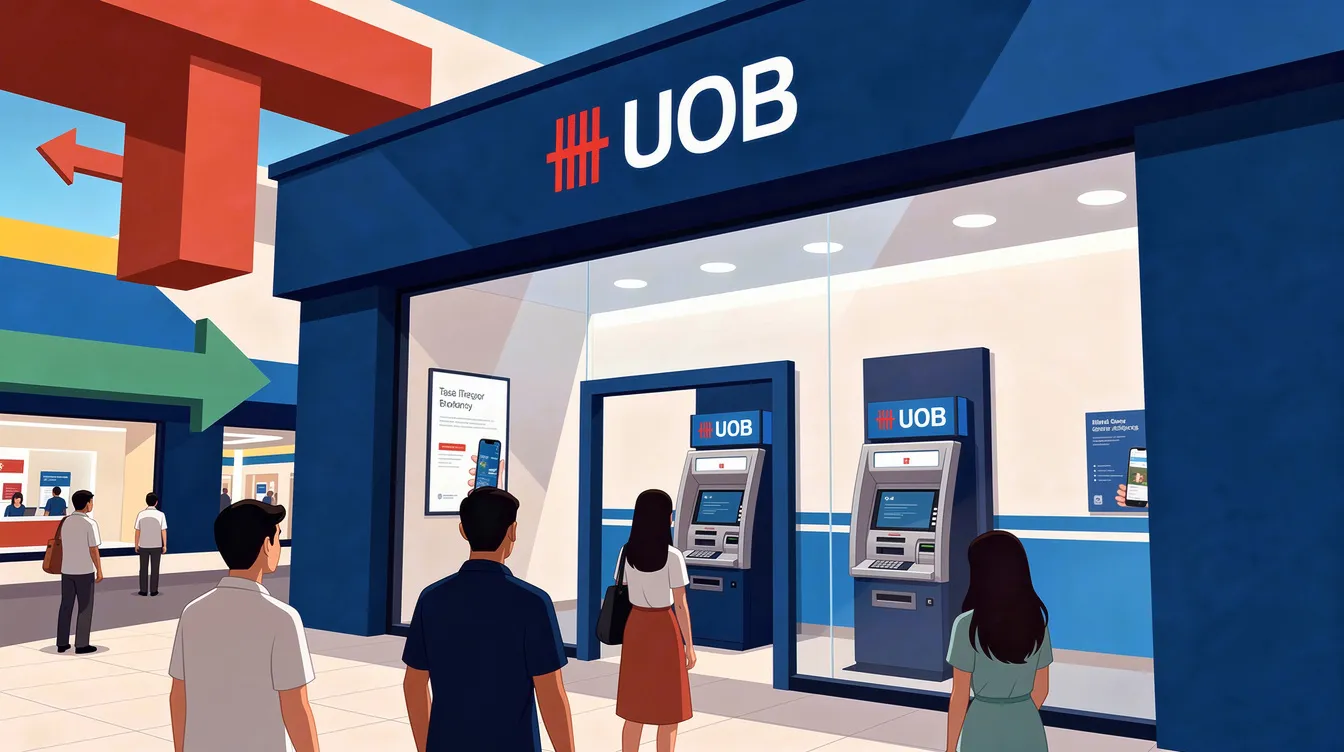
United Overseas Bank (UOB) is at a crossroads as it anticipates a leadership transition with the potential retirement of its long-serving CEO, Wee Ee Cheong, who has held the position for over 19 years. Given the recent leadership changes at other major Singaporean banks, including DBS Group and OCBC, speculation is mounting regarding UOB's next steps in a rapidly evolving financial landscape.
Wee, who succeeded his father, the late Wee Cho Yaw, in 2007, has been instrumental in steering UOB through significant growth phases. However, as he approaches retirement age, the bank will likely appoint a non-Wee family member to succeed him.
In light of this impending transition, the Singapore banking sector has seen consolidation trends, with firms seeking to enhance their competitive edge amid increasing digitalization and evolving customer expectations. UOB's recent strategic moves, including the sale of its asset management arm to Allianz Global Investors for S$555 million, reflect a broader strategy to focus on wealth management and distribution.
The acquisition of UOB Asset Management by Allianz is part of a larger strategy to enhance UOB's wealth management capabilities, providing a broader suite of investment products to its customer base of over 8 million. This strategic partnership is expected to solidify UOB's role as an open-architecture wealth distributor, allowing it to offer diverse investment solutions aligned with customer needs.
“With the recent changes in the regulatory framework, the Monetary Authority of Singapore has indicated enhancements to the Code on Take-overs and Mergers aimed at protecting competitive processes and improving transaction certainty.”Monetary Authority of Singapore Report
Furthermore, the Monetary Authority of Singapore (MAS) has recently revised its Code on Take-overs and Mergers to enhance the regulatory framework surrounding such transactions. These changes aim to protect the competitive process of take-over and merger transactions, improve certainty and timeliness of schemes of arrangement, and enhance disclosures to investors and shareholders.
As UOB navigates this transition, the bank's strategic direction will be crucial amid a landscape characterized by rapid technological advancements and changing consumer behaviors.
In conclusion, UOB's leadership transition may serve as a catalyst for transformative changes within the bank, including the potential pursuit of a merger. As the bank prepares for this new chapter, stakeholders will be keenly observing its strategic decisions and their implications for the broader financial sector in Singapore.