Singapore
Singapore's Care Tech Sector Expands to Meet Aging Population Needs
Innovations in robotics and sensor technology are transforming elder care in Singapore as the city-state faces a rapidly aging demographic.
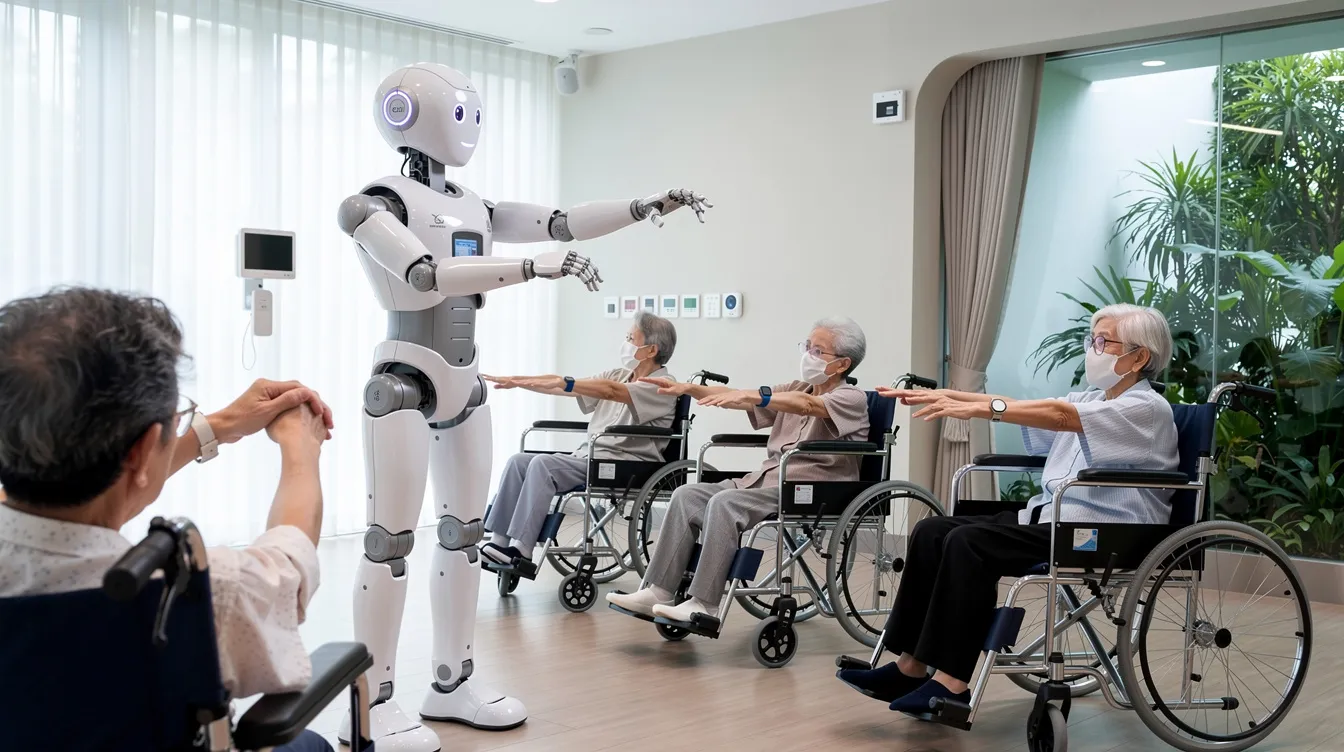
SINGAPORE -- The care technology sector in Singapore is experiencing significant growth as the city-state grapples with a rapidly aging population. A notable example is the introduction of humanoid robots, such as 'Dexie,' which are being employed in healthcare settings to assist in physiotherapy sessions for elderly patients.
At the Outram Community Hospital, Dexie leads physiotherapy classes designed to engage seniors. May Tong, an 80-year-old patient with rheumatoid arthritis, expressed enthusiasm about her first session with the robot instructor, highlighting the innovative approach to rehabilitation. This integration of technology aims to enhance the quality of care for the elderly, addressing both physical and emotional needs.
According to a report by Nikkei Asia, the use of robots in healthcare is part of a broader trend in Singapore, where the government is investing in technology to support its aging populace. The Ministry of Health has recognized the importance of incorporating advanced technologies to improve elder care services, especially as the proportion of seniors is expected to rise significantly in the coming decades.
In addition to humanoid robots, the development of advanced movement sensors is also gaining traction. These sensors can monitor the physical activity and health status of elderly individuals, allowing for personalized care plans and timely interventions. The potential for such technologies to reduce the burden on healthcare systems is substantial, as they can facilitate more proactive and preventive care.
Industry experts suggest that the expansion of care technology not only addresses immediate healthcare challenges but also positions Singapore as a leader in the global care tech market. Analysts at Frost & Sullivan estimate that the market for elder care technology in Asia-Pacific could reach USD 3.5 billion by 2025, driven by increasing demand for innovative solutions.
As Singapore continues to innovate in this space, the integration of robotics and sensor technology in elder care is seen as essential for managing the challenges posed by an aging demographic, ensuring that Singapore remains at the forefront of care technology development.