Singapore
Singapore Investigates Companies Behind Haze-Causing Fires in Indonesia
Prime Minister Lawrence Wong announces potential actions under the Transboundary Haze Pollution Act as Singapore faces worsening air quality.
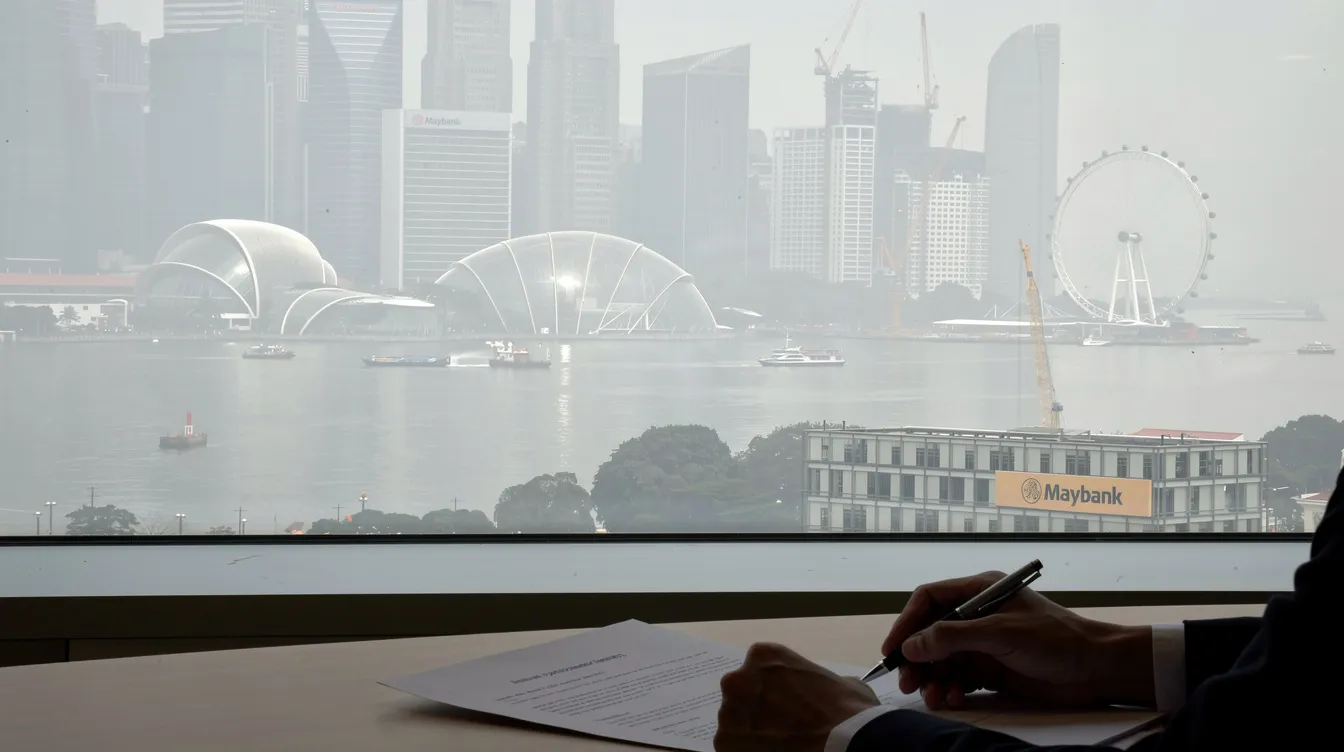
Singapore is actively investigating which companies may be responsible for the haze-causing fires in Indonesia, according to Prime Minister Lawrence Wong. In a Facebook post on October 15, Wong stated that the government would take necessary actions under the Transboundary Haze Pollution Act and explore joint efforts with neighboring countries to address the issue.
The haze, primarily caused by forest and peatland fires in Indonesia, has been exacerbated by an extended dry spell. Wong emphasized that while Singapore cannot control the weather or events beyond its borders, the government is committed to protecting its citizens. "We will do everything we can to protect Singaporeans while working with our neighbors to address the underlying causes of the haze," he noted.
In response to the worsening air quality, the Singapore government has begun distributing N95 masks to vulnerable populations and has opened air-conditioned shelters at community centers. Wong urged residents to take care of themselves and those around them, highlighting the collective impact of the haze.
“We cannot control the weather or the winds, nor can we directly control what happens beyond our borders. But we will do everything we can to protect Singaporeans.”Lawrence Wong, Prime Minister of Singapore
Minister for Sustainability and the Environment Grace Fu indicated on October 14 that Singapore is "keeping its options open" regarding potential legal actions against companies under the Transboundary Haze Pollution Act. She stated that the government is currently collecting data to assess the situation and will consider the available options moving forward.
The Transboundary Haze Pollution Act, enacted in 2014, allows Singapore to take legal action against entities responsible for causing or condoning fires that result in haze pollution. If the Pollutant Standards Index (PSI) remains in the unhealthy range (above 101) for 24 hours, those found guilty can face fines of up to S$100,000 (approximately US$78,100) per day, capped at S$2 million.
“We have to look at the data that we are collecting now, and the options are there for us to pursue.”Grace Fu, Minister for Sustainability and the Environment
Fu noted that Singapore has made an "open offer of assistance" to Indonesia to help manage the fire situation. Foreign Minister Arrmanatha Nasir confirmed on October 15 that Indonesia is open to accepting foreign assistance in combating the forest fires contributing to the haze affecting Southeast Asia.
In contrast, Malaysian media has highlighted Indonesia's proactive stance in approving foreign assistance to tackle the crisis. Reports from the New Straits Times and Business Today noted that Indonesian President Prabowo Subianto has approved offers of assistance from neighboring countries, with technical discussions already underway involving Indonesia’s National Disaster Management Agency (BNPB). This framing emphasizes Indonesia's willingness to collaborate regionally, contrasting with Singapore's focus on legal accountability and public health measures.
Malaysian Prime Minister Anwar Ibrahim has defended his government's efforts to engage Indonesia, stating, "We have done everything we can," in response to criticism that Malaysia has not been proactive enough in addressing the haze issue. Anwar's comments reflect a more diplomatic tone, as he highlighted the importance of collaboration rather than confrontation, which differs from Singapore's legalistic approach. Former Malaysian health minister Khairy Jamaluddin criticized the government for being "too soft" in its dealings with Indonesia, calling for a firmer stance, yet he also acknowledged the need for diplomatic engagement.
The PSI in Singapore reached a season high of 212 on October 15, indicating unhealthy air quality. The National Environment Agency (NEA) has been monitoring the haze situation and gathering information on fire hotspots and their impact on air quality. NEA previously identified six Indonesian companies linked to fires that caused severe transboundary haze in 2015, with ongoing investigations into four of these companies.
As the haze situation continues to develop, Singapore remains vigilant and prepared to take necessary actions to protect public health and collaborate with regional partners, while Malaysia emphasizes diplomatic engagement and cooperation with Indonesia to address the ongoing crisis.