Singapore
Graphics Card Shortage to Drive Up PC Prices Amid AI Demand
A significant shortage of graphics cards is expected to impact personal computer prices as AI companies drive demand for advanced chips.
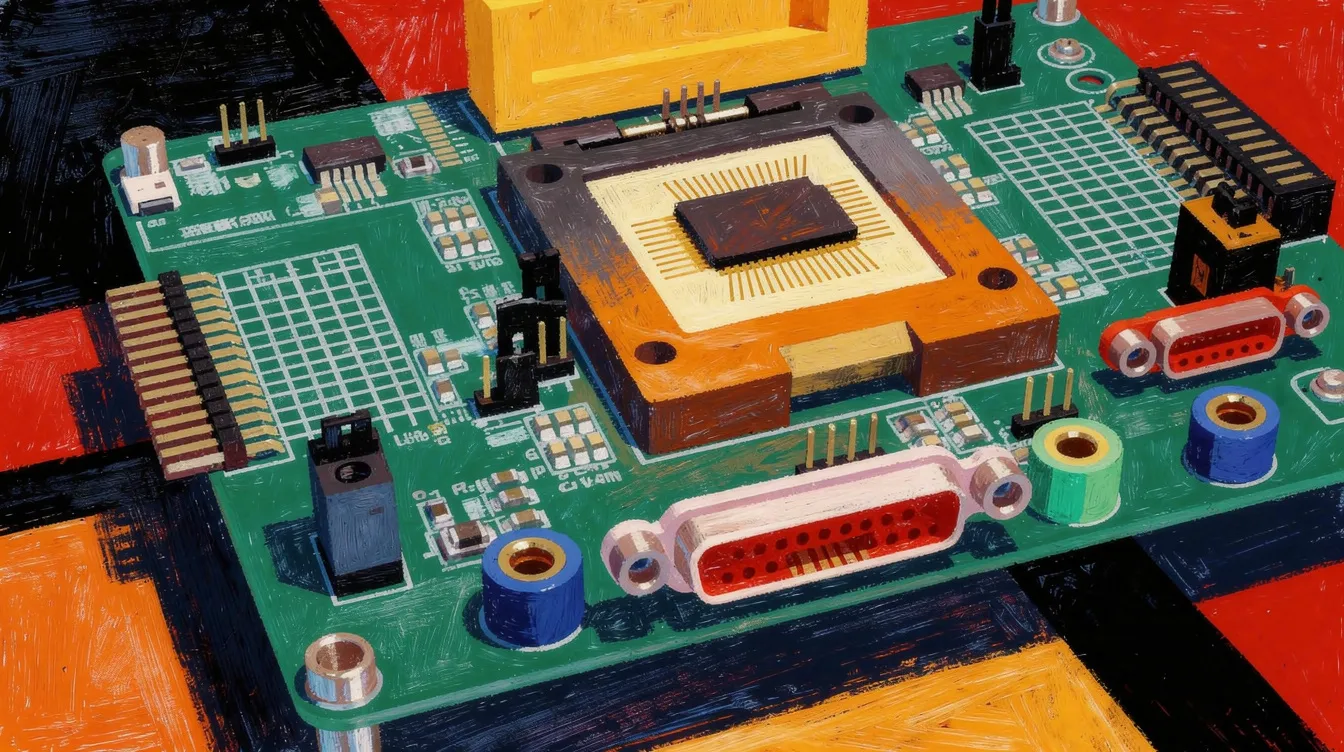
SINGAPORE – A pronounced shortage of graphics cards and essential components is anticipated to result in higher prices for personal computers (PCs) in the latter half of 2026. This situation arises as manufacturers grapple with escalating costs and extended delivery times, according to PC Partner Group, a Hong Kong-based and Singapore-listed manufacturer of video graphics accelerator (VGA) cards.
On August 14, PC Partner warned that the availability of graphics cards is likely to worsen, particularly affecting entry-level models. The company highlighted that these shortages could elevate average selling prices, making even budget-friendly desktop computers more costly to produce. The company stated in its results for the first half of 2026 that the PC market remains highly challenging, with significant supply constraints driving sharp increases in component costs and, in turn, slowing consumer demand.
“The PC market remains highly challenging, with significant supply constraints driving sharp increases in component costs and, in turn, slowing consumer demand.”PC Partner Group, results statement
Graphics cards, which are crucial for processing and displaying images on computers, incorporate graphics processing units (GPUs) and specialized memory. A shortage of these components can directly influence the pricing of graphics cards and subsequently raise the costs of pre-built PCs. PC Partner's revenue for the first half of 2026 was driven by increased orders for graphics cards from other companies. However, sales of its own-brand graphics cards declined, attributed to a shortage of GPUs and graphics memory.
Analysts suggest that the ongoing demand for advanced chips from AI companies is a significant factor driving the graphics card shortage. Reports indicate that AI infrastructure requires substantial memory and processing power, which diverts resources away from the consumer graphics market. CFO Gary Lau noted that the desktop gaming market is facing increasing challenges due to soaring component costs, with prices for system memory having tripled and solid-state drive (SSD) costs doubling. He estimated that building a gaming PC is now 30% to 40% more expensive, which threatens to discourage consumers from upgrading their systems or buying new graphics cards.
Moreover, PC Partner has indicated that lead times for central processing units (CPUs) and other critical components have significantly lengthened, further complicating the supply chain. The company anticipates that the tightening of component availability will continue to impact its business operations, particularly in the second half of 2026.
“Building a gaming PC is now 30% to 40% more expensive, which threatens to discourage consumers from upgrading their systems or buying new graphics cards.”Gary Lau, CFO
Despite these challenges, PC Partner plans to launch new GPU servers and AI-related products, which it hopes will mitigate some of the downturn in other areas. The company remains optimistic about achieving revenue growth for the full year, with its GPU server and AI business expected to drive future expansion.
Shares of PC Partner saw a 2.2% increase, closing at $3.23 on August 14, reflecting a remarkable rise of over 243% since the beginning of the year, fueled by global investments in AI infrastructure.