Philippines
Philippines' Balance of Payments Shortfall Narrows to $596 Million in August
The Bangko Sentral ng Pilipinas reports a significant reduction in the country's balance of payments deficit, reflecting improved economic conditions.
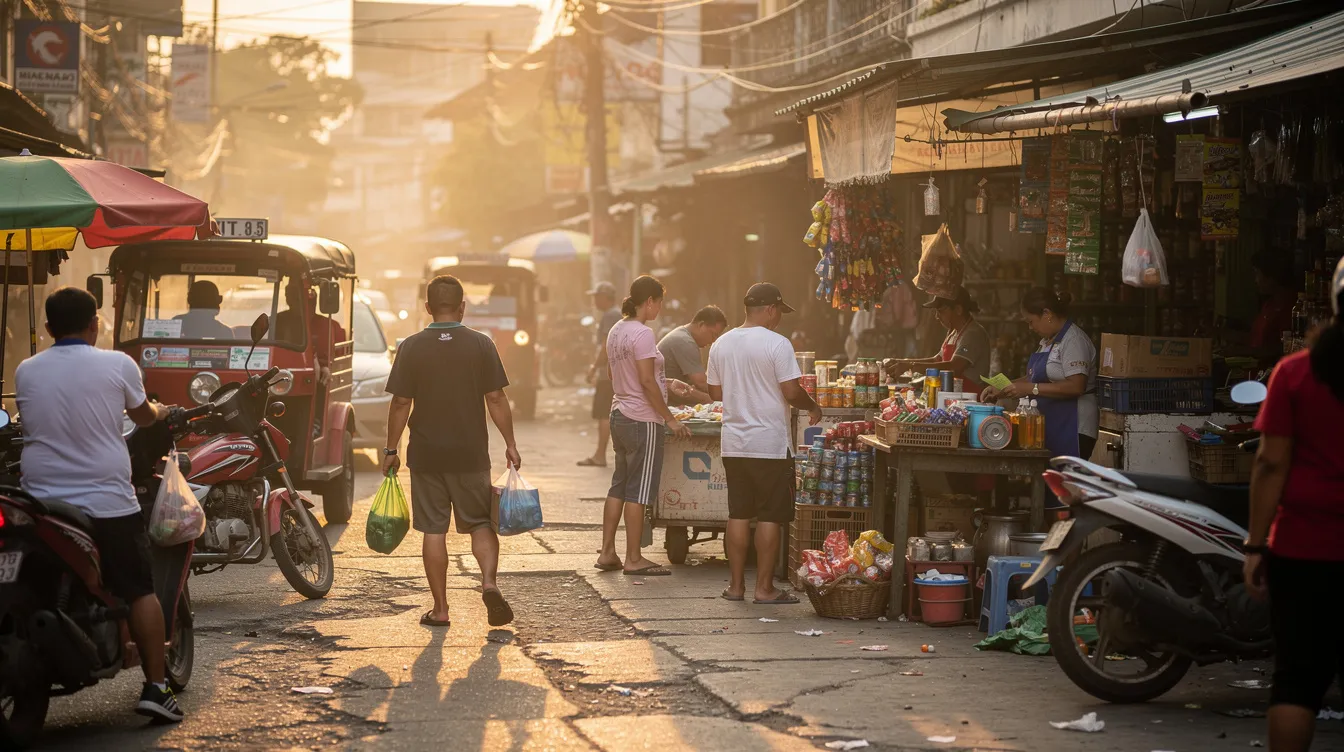
In a positive shift for the Philippine economy, the country’s balance of payments (BOP) shortfall narrowed to $596 million in August, as reported by the Bangko Sentral ng Pilipinas (BSP). This figure marks a substantial decrease from the $1.47 billion deficit recorded in July, indicating a potential stabilization in the nation's financial landscape.
The improvement in the BOP is attributed to a variety of factors, including a rise in remittances from Overseas Filipino Workers (OFWs) and a decrease in the trade deficit. Analysts at the BSP noted that the inflow of remittances has remained resilient despite global economic challenges. This resilience was previously highlighted by Maybank, which projected that remittances would continue to be strong amid ongoing uncertainties in the global market.
“Analysts at the Bangko Sentral ng Pilipinas noted that the inflow of remittances has remained resilient despite global economic challenges.”Analysts, Bangko Sentral ng Pilipinas
Furthermore, the narrowing of the BOP shortfall reflects a broader trend of cautious optimism among consumers and businesses, as indicated by a slowdown in bank lending growth reported earlier by the BSP. This cautious sentiment appears to be influencing economic activities, as stakeholders navigate the complexities of both domestic and international markets.
However, while the narrowing BOP shortfall is a positive development, concerns linger regarding the Philippine peso's performance and inflationary pressures. According to a report from the Manila Times, the BSP may be compelled to raise its policy rate again next month due to the peso's weakness and rising global oil prices, which are contributing to inflation risks. The peso has faced structural challenges, with Union Bank noting that its vulnerability is partly linked to the country's heavy dependence on imported oil.
Indonesian coverage of the BOP shortfall primarily emphasized the positive aspect of the narrowing deficit as a sign of economic resilience, while Philippine outlets framed the situation with a more cautious tone, highlighting the potential for further monetary tightening in response to inflationary pressures. The Manila Times suggested that the BSP might implement a 25-basis-point rate hike in October, which would mark a cumulative tightening of 100 basis points this year, raising concerns about the impact of such measures on economic growth.
In addition, the Manila Times reported that the Philippine economy may have entered the third quarter with weaker momentum than expected, raising downside risks to its growth outlook. BMI Country Risk & Industry Research indicated that early indicators suggest the economy is growing slower than anticipated, which could further complicate the outlook for the BOP. They noted that household consumption is under pressure due to elevated inflation, which has eroded purchasing power and discouraged discretionary spending.
While Indonesian media focused on the narrowing BOP as a sign of recovery, Philippine sources underscored the broader economic challenges, including a potential rise in unemployment and the impact of severe weather on economic activity. The Manila Times cited estimates of P14.3 billion in infrastructure damage and P4.4 billion in agricultural losses due to weather-related disruptions, which could further hinder economic recovery.
In the context of the Philippines' economic landscape, the BOP serves as a critical indicator of the country’s financial health and its ability to manage external economic pressures. The BSP's ongoing monitoring and analysis of these trends will be essential for policymakers as they strive to maintain economic stability in the face of fluctuating global conditions.