Philippines
Philippine Provinces Utilize Diagnostic Tool for Climate Resilience
The Provincial Climate Risk Diagnostics tool helps local governments prepare for climate-related challenges, supported by UN agencies.
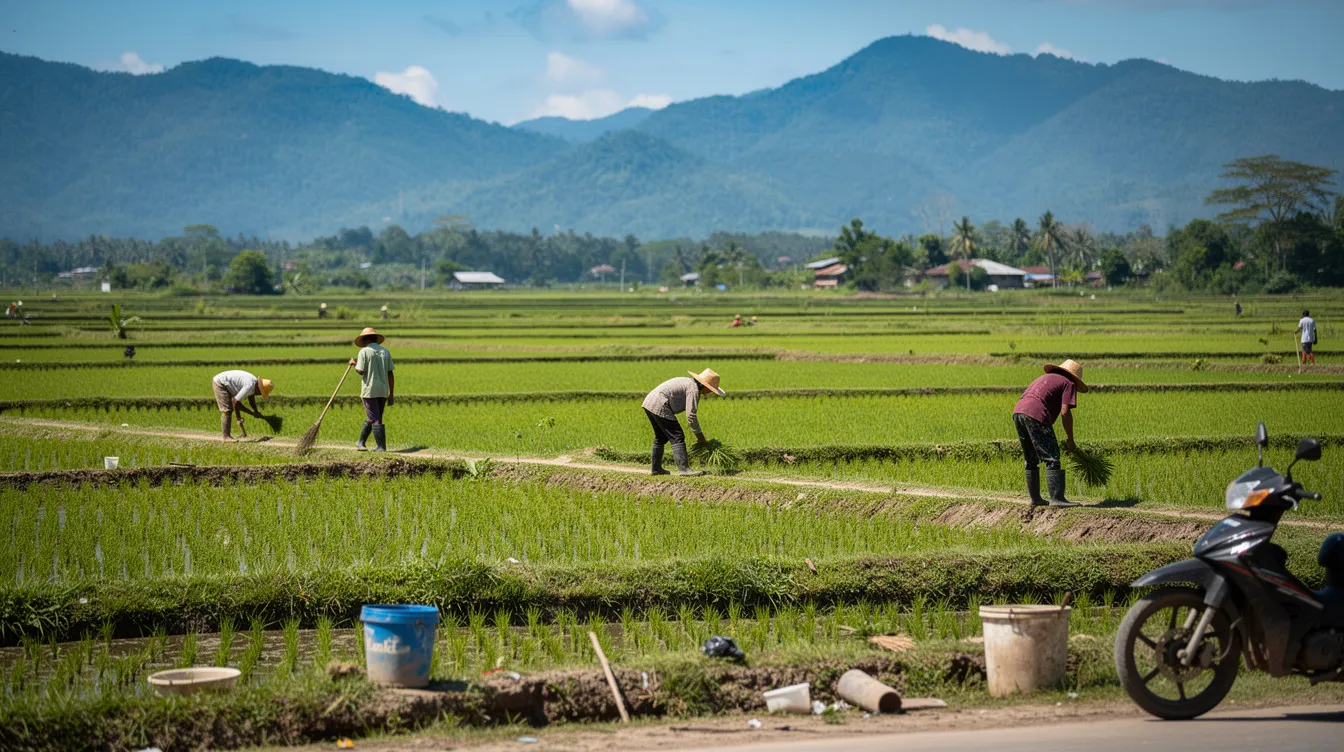
In response to the increasing complexity of climate and disaster risks, local governments in the Philippines are adopting the Provincial Climate Risk Diagnostics (PCRD) tool, designed to enhance their planning and investment strategies. This initiative is part of the Strengthening Institutions and Empowering Localities Against Disasters and Climate Change (SHIELD) Programme, which is supported by the Australian Government and implemented by UNDP in collaboration with UN-Habitat.
The PCRD tool provides a comprehensive data repository and analytics application, enabling provincial local government units to conduct science-based climate risk analysis. This analysis is vital for understanding vulnerabilities and determining appropriate actions to safeguard development gains and bolster community resilience. According to the UNDP, the tool facilitates risk-informed decision-making, which is essential as climate-related challenges become more pronounced.
“The PCRD tool is an important instrument to guide local governments in planning to ensure communities are resilient and better equipped to respond to climate challenges.”Quezon Provincial Government
Recently, a technical workshop was held in Quezon Province to guide local officials on utilizing the PCRD tool effectively. The event, attended by representatives from various provincial offices, aimed to prioritize projects and investments that would strengthen community resilience. The workshop underscored the importance of collaboration among local government units and various stakeholders, including the Provincial Disaster Risk Reduction and Management Office and the Provincial Planning and Development Council.
In Iloilo Province, a similar initiative was undertaken with a Coaching Workshop aimed at completing the data integration process for the PCRD tool. This workshop involved designated focal persons from the provincial government, focusing on identifying and prioritizing sites for ecosystem-based adaptation projects. The integration of data is crucial for effective planning and investment, allowing local governments to address climate risks proactively.
“Understanding where risks exist and who is most vulnerable is essential for protecting development gains and building resilience.”UNDP
As the Philippines continues to grapple with the impacts of climate change, including severe flooding and landslides, the adoption of tools like the PCRD is seen as a pivotal step towards enhancing local resilience. The Department of Environment and Natural Resources (DENR) has emphasized the need for reliable evidence in decision-making, aligning with the objectives of the PCRD tool.
Officials from various provinces have expressed optimism that utilizing the PCRD tool will lead to more informed planning and better-targeted investments, ultimately fostering stronger, more resilient communities capable of withstanding climate-related challenges.