Philippines
BSP Proposes New Regulations to Enhance Retail Payment Systems
The Bangko Sentral ng Pilipinas aims to broaden access to digital payments through new frameworks for payment initiation services and clearing arrangements.
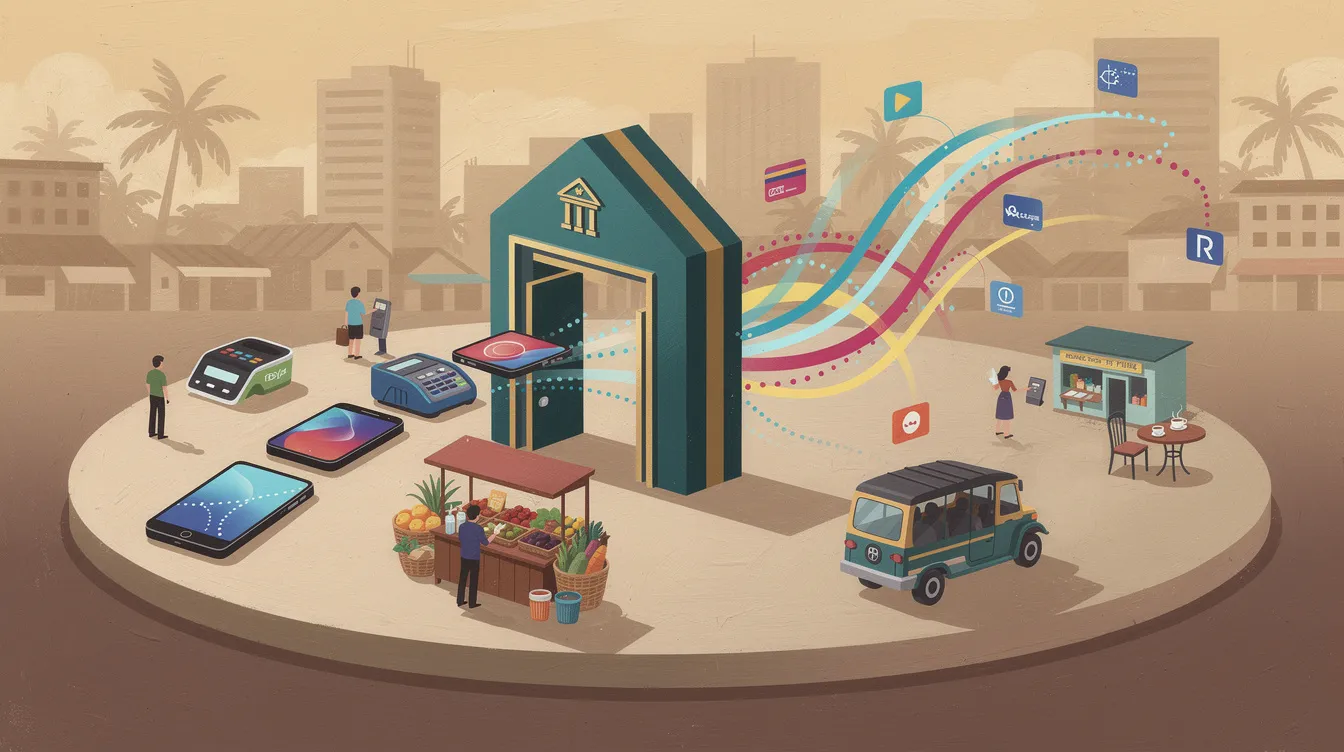
The Bangko Sentral ng Pilipinas (BSP) is moving to enhance the Philippines' retail payment systems through proposed regulations that would enable qualified third-party providers to initiate payments and allow smaller financial institutions to access clearing services via larger banks. This initiative is part of the BSP's broader strategy to foster financial inclusion and improve the efficiency of digital transactions.
In a draft circular, the BSP detailed the rules governing payment initiation services (PIS) under its Open Finance Framework and outlined clearing sponsorship arrangements within the National Retail Payment System (NRPS). According to the BSP, these proposed rules aim to create a regulatory framework that is both activity- and risk-based, ensuring that payment initiation services operate within a secure and efficient environment.
Under the new framework, consumers would be able to authorize qualified third-party providers to initiate payments from their bank accounts. These providers would facilitate payment orders and transmit requests through secure electronic interfaces, but they would not be permitted to hold or receive funds related to these transactions. The funds would remain with the financial institution maintaining the customer's account, which would still be responsible for authorizing payments and debiting accounts.
The BSP emphasized that these regulations are designed to promote broader participation in automated clearing houses (ACHs) and to expand access to reliable retail payment services. The central bank stated, "The Bangko Sentral recognizes clearing sponsorship arrangements as a means of promoting broader participation in ACHs and expanding access to safe, efficient, and reliable retail payment services," as reported by BusinessWorld.
“The Bangko Sentral recognizes clearing sponsorship arrangements as a means of promoting broader participation in ACHs and expanding access to safe, efficient, and reliable retail payment services.”Bangko Sentral ng Pilipinas
Moreover, the BSP has indicated that payment initiation service providers (PISPs) would need to maintain a minimum capital of ₱5 million (approximately $89,000). Nonbank entities wishing to provide PIS would require prior BSP authority and must submit necessary documentation at least 30 business days before starting operations. The BSP also plans to impose stricter capital requirements based on the risk profile and transaction volume of the PISPs.
In addition to the PIS framework, the BSP is also facilitating access to retail payment clearing services for smaller financial institutions through clearing sponsorship arrangements with larger banks. This arrangement would allow indirect clearing participants (ICPs) to engage a clearing sponsor institution (CSI) to process and clear transactions on their behalf. The BSP noted that this would help smaller institutions manage liquidity risks and ensure compliance with necessary regulations.
As part of these proposed regulations, both ICPs and CSIs would be required to maintain transparency and accountability in their transactions, with a focus on consumer protection and compliance with anti-money laundering laws. The BSP has made it clear that noncompliance with these regulations could result in enforcement actions under the National Payment Systems Act.
This regulatory push follows earlier initiatives by the BSP to enhance digital payment systems, including the introduction of zero fees for small merchants and the launch of new digital payment services aimed at improving accessibility and convenience for consumers. The BSP's commitment to advancing the digital payments landscape is evident as it seeks to create a more inclusive financial ecosystem for all Filipinos.