Philippines
Australia and Philippines Forge New Defense Cooperation Pact
The updated Defense Cooperation Arrangement aims to enhance military coordination amid rising regional tensions, particularly from China.
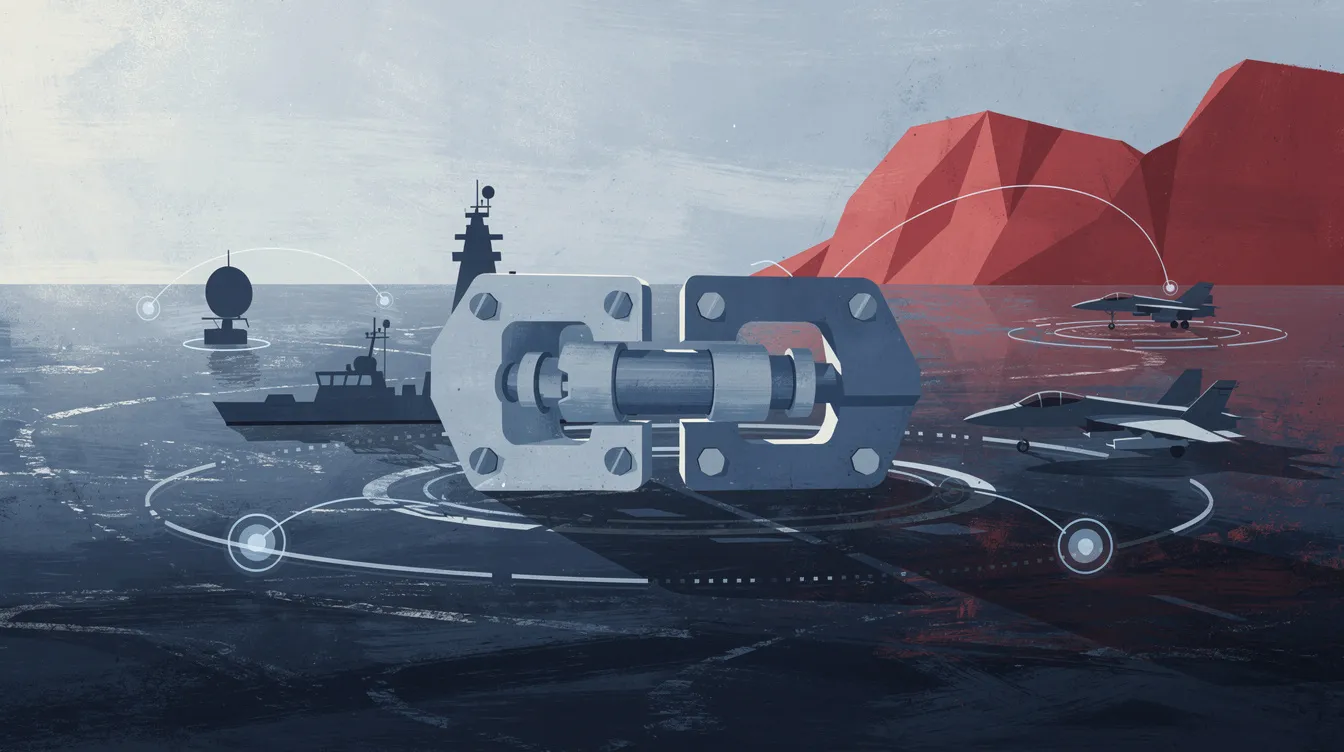
On November 15, 2026, Australia and the Philippines formalized a new Defense Cooperation Arrangement (DCA) aimed at enhancing military coordination and facilitating faster troop deployments between the two nations. This agreement, signed in Manila, is seen as a response to increasing security challenges posed by China's expanding military presence in the South China Sea.
The DCA is designed to reduce bureaucratic barriers that have previously hindered military cooperation. Philippine Defense Secretary Gilberto Teodoro Jr. said the new arrangement would streamline processes and reduce the number of steps required for coordination, making it more purposeful rather than ad hoc. This efficiency is expected to enhance the Philippines' disaster response capabilities by allowing Australian troops to be deployed more rapidly during emergencies.
“The new arrangement would streamline processes and reduce the number of steps required for coordination, making it more purposeful rather than ad hoc.”Gilberto Teodoro Jr., Philippine Defense Secretary
According to Australia’s Department of Defence, the DCA encompasses a range of cooperative measures, including intelligence sharing, military training, and the transfer of aerial and surface drones. Australian Deputy Prime Minister Richard Marles noted that the agreement would deepen practical cooperation between the two nations' defense forces, creating new opportunities to work together in support of regional security.
This pact updates a previous memorandum of agreement established in 1995 and builds upon the Status of Visiting Forces Agreement, which was signed in 2007 and has been in effect since 2012. The historical ties between Australia and the Philippines date back to the early 20th century, with significant military collaboration during World War II and subsequent conflicts, including the Korean War.
“The agreement will deepen practical cooperation between our defense forces and create new opportunities to work together in support of regional security.”Richard Marles, Australian Deputy Prime Minister
The context for this new arrangement is marked by heightened tensions in the region, particularly due to China's assertive actions in the South China Sea. Both Australia and the Philippines have faced aggressive maneuvers from the People's Liberation Army (PLA), including harassment of naval vessels and confrontations with Philippine military forces. Euan Graham, a senior fellow at the Australian Strategic Policy Institute, said that from Australia’s perspective, the Philippines is considered the first line of defense. This highlights the strategic importance of the Philippines in Australia's broader defense strategy.
Teodoro further highlighted that the DCA would bolster the Philippines' credible deterrent posture in contested maritime areas and in Philippine territory. The agreement reflects a mutual commitment to enhancing security cooperation in a region increasingly characterized by geopolitical rivalry.