ASEAN
Philippines and Japan Strengthen Security Ties Amid Regional Tensions
The Philippines and Japan are enhancing their maritime cooperation as a counterbalance to China's assertive actions in the region.
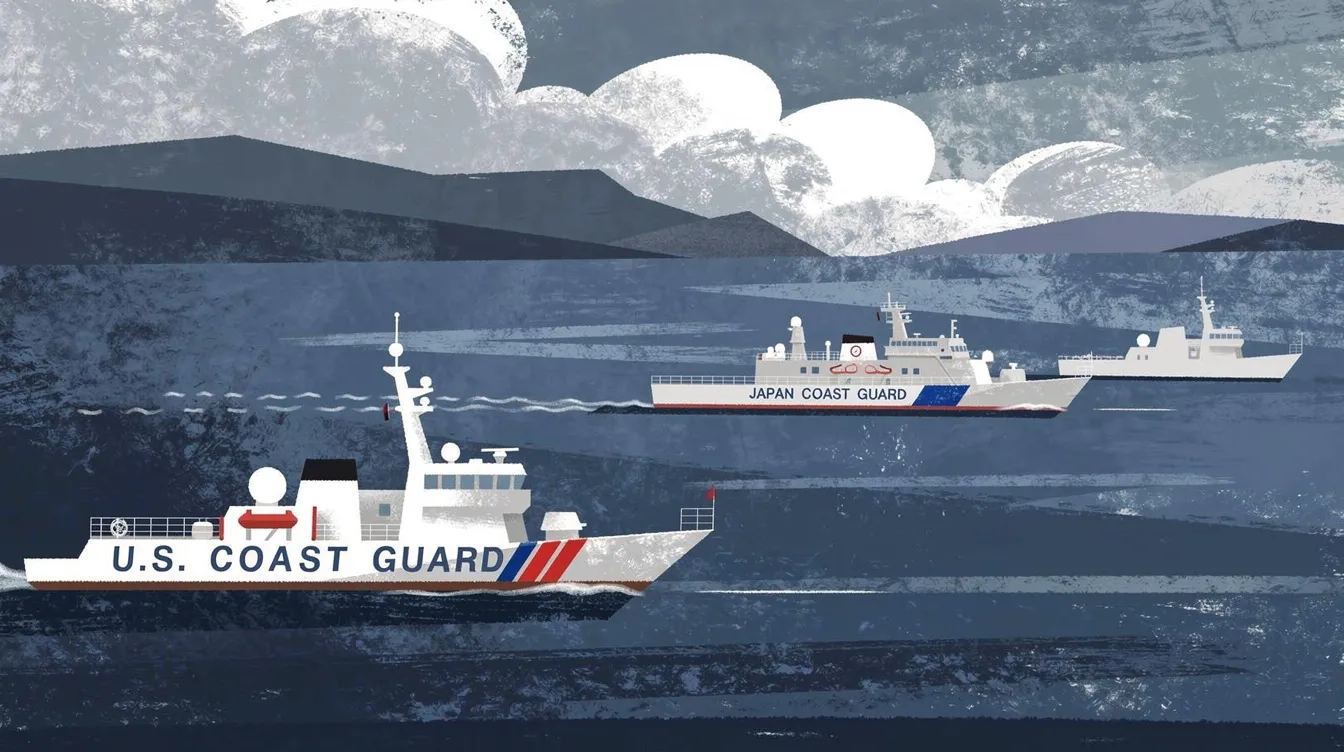
In a significant move to bolster regional security, the Philippines and Japan have intensified their maritime cooperation, particularly in response to China's increasing assertiveness in the South China Sea and surrounding waters. This collaboration includes joint training exercises and patrols, aimed at enhancing the capabilities of both nations' coast guards.
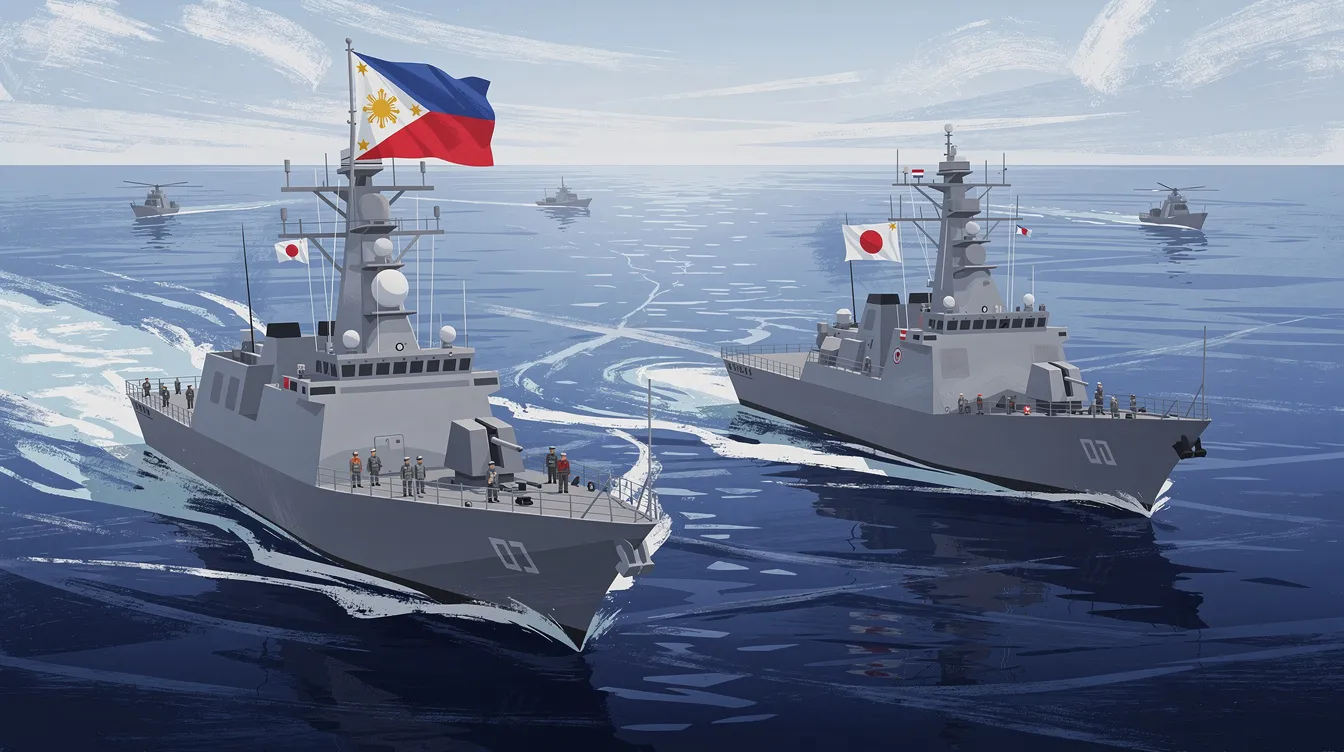
On June 20, 2025, vessels from the U.S. Coast Guard, Japan Coast Guard, and Philippine Coast Guard participated in joint training off the coast of Kagoshima, Japan. This exercise is part of a broader strategy to strengthen trilateral security cooperation in the Indo-Pacific region, as noted by Lucio Blanco Pitlo III, president of the Philippine Association for Chinese Studies.
According to analysts, the Philippines' engagement with Japan is a crucial aspect of its efforts to counterbalance China's influence, particularly in light of ongoing territorial disputes in the South China Sea. The Philippine government has reiterated its commitment to maintaining freedom of navigation and overflight in these waters, which are vital for international trade.
“The Philippines' engagement with Japan is crucial in counterbalancing China's influence, especially in territorial disputes.”Lucio Blanco Pitlo III, President, Philippine Association for Chinese Studies
Japan, for its part, has been increasingly involved in regional security matters, reflecting its own concerns over China's maritime activities. The Japanese government has expressed support for the Philippines' position in territorial disputes and has committed to enhancing defense cooperation. This includes the provision of patrol vessels and other maritime assets to the Philippine Coast Guard, which is seen as a vital step in strengthening the latter's operational capabilities.
Moreover, the joint exercises signify a growing recognition among Southeast Asian nations of the need for collective action in the face of shared security challenges. The Philippines and Japan's collaboration is framed as a manifestation of bayanihan, or communal unity, in addressing external threats. This ethos resonates deeply within Filipino culture, emphasizing the importance of solidarity in overcoming challenges.
As tensions in the region continue to escalate, the Philippines' strategic alignment with Japan and the United States may serve to deter aggressive actions by China. The ongoing dialogue and cooperation among these nations highlight a concerted effort to establish a stable security environment in the Indo-Pacific, ensuring that the interests of smaller nations are safeguarded against larger powers.