Myanmar
Russia to Construct Small Nuclear Power Plant in Myanmar
The project, described as a 'symbol of friendship' between the two nations, aims to enhance bilateral cooperation beyond energy.
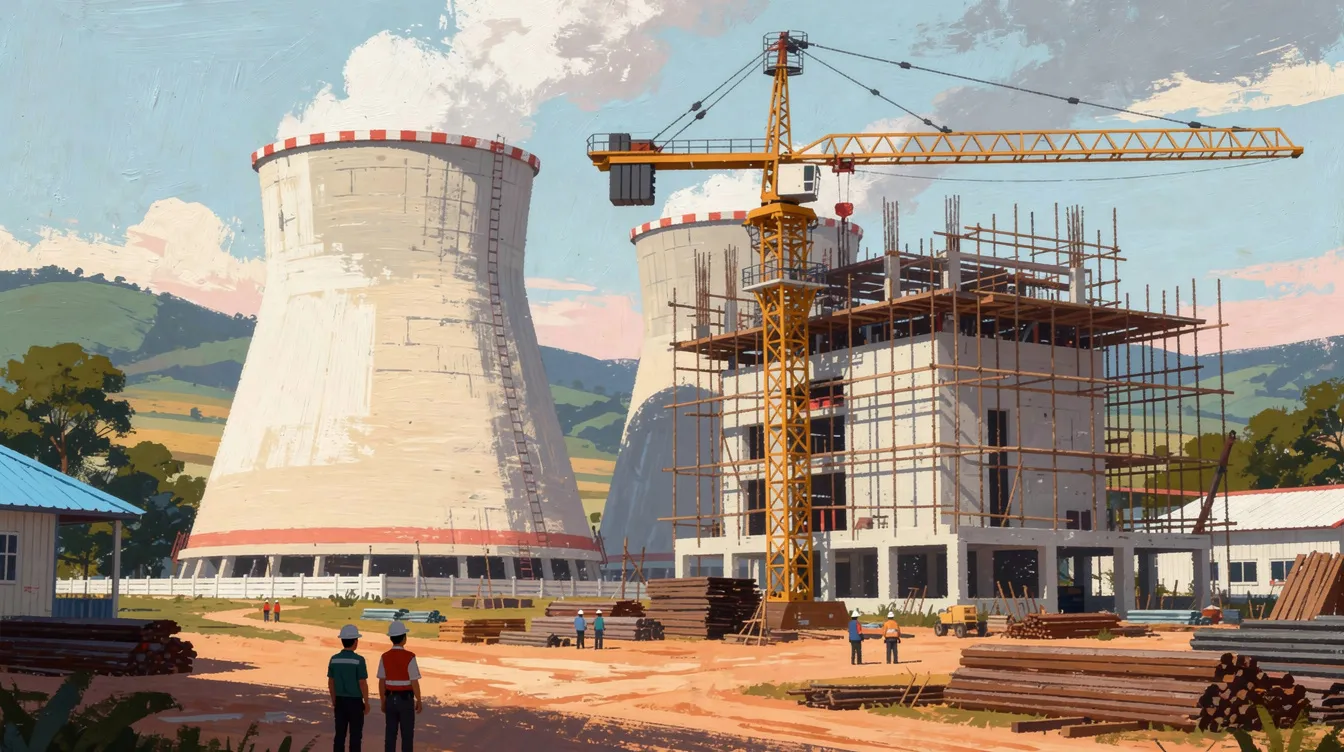
In a significant development for Myanmar's energy sector, Russian Prime Minister Mikhail Mishustin announced the commencement of plans to build a small nuclear power plant in Myanmar during a meeting with Myanmar's leader, Senior General Min Aung Hlaing, in Moscow. This initiative is framed as a 'new symbol of Russian-Myanmar friendship,' highlighting the growing ties between the two nations.
The intergovernmental agreement for the construction of the nuclear facility was signed in March 2025, and it is expected to utilize Russian technology. The plant is initially designed to have a capacity of 110 megawatts, with potential for future expansion, according to Mishustin's statements.
This project is not merely an energy venture; it is anticipated to foster broader cooperation between Russia and Myanmar in various fields, including scientific research. Mishustin mentioned that the project was expected to provide fresh impetus to cooperation between the two countries beyond the energy sector.
“This project will become a new symbol of Russian-Myanmar friendship.”Mikhail Mishustin, Prime Minister of Russia
Myanmar has been exploring various energy solutions to address its growing electricity demand. The introduction of nuclear power aligns with the country’s efforts to diversify its energy sources, as reported by InsideASEAN. The government has been under pressure to improve energy access, particularly in rural areas, where electricity shortages remain a critical issue.
As Myanmar seeks to strengthen its energy infrastructure, the nuclear power plant project could also serve as a counterbalance to the nation’s reliance on traditional fossil fuels. The move comes amid a backdrop of international scrutiny and sanctions affecting Myanmar's energy sector, making partnerships with countries like Russia increasingly important.
Furthermore, the project underscores a shift in Myanmar's foreign relations strategy, as it seeks to engage with various global players to foster economic development. The collaboration with Russia is indicative of a broader trend where Myanmar is looking to establish strategic partnerships beyond its immediate neighbors.